Currently, India has been named as one of the most dynamic health tourist hotspots across the globe, especially in the realm of traditional health systems such as Ayurvedic healing, which has remained a 5,000-year-old science of life. Ayurvedic healing fits the new paradigm that the world seeks when it comes to health tourism because it combines health tourism with immersion into new cultures.
The revenue from the wellness tourism business in India was approximated to be around USD 19.4 billion in the year 2024, having a total of 5.3 million international wellness tourists, which will further rise to over USD 26 billion by the end of 2029, with a total of 7.2 million wellness tourists.
This is because the growth is not only fueled by economic factors but also by the diversity offered by the Ayurveda systems practiced in India, from the backwaters of Kerala to the Himalayas, from the desert to forests. We will cover some of the best places for Ayurvedic holidays in India in this comprehensive travel guide.
Year | Wellness Tourism Revenue (USD Billion) | International Visitors (Million) |
2021 | 12.4 | 3.8 |
2022 | 14.8 | 4.2 |
2023 | 16.9 | 4.8 |
2024 | 19.4 | 5.3 |
2029 | 26.55 | 7.2 |
The market size for wellness tourism in the Indian market was approximately 30.95 billion USD back in 2026. However, it is believed to grow further to 43.76 billion USD from 2031 with an estimated CAGR of 7.18%.
In this complex scenario, South India has come up as a distinct segment, contributing close to half a market share, 49.74%, because of the Ayurvedic heritage in Kerala, the boutique hotels in Karnataka, and the spiritually elevated landscapes in Tamil Nadu.
This is greatly helpful in comprehending why "health tourists" are so attracted to the heritage in different regions of India when it comes to Ayurvedic medicine.
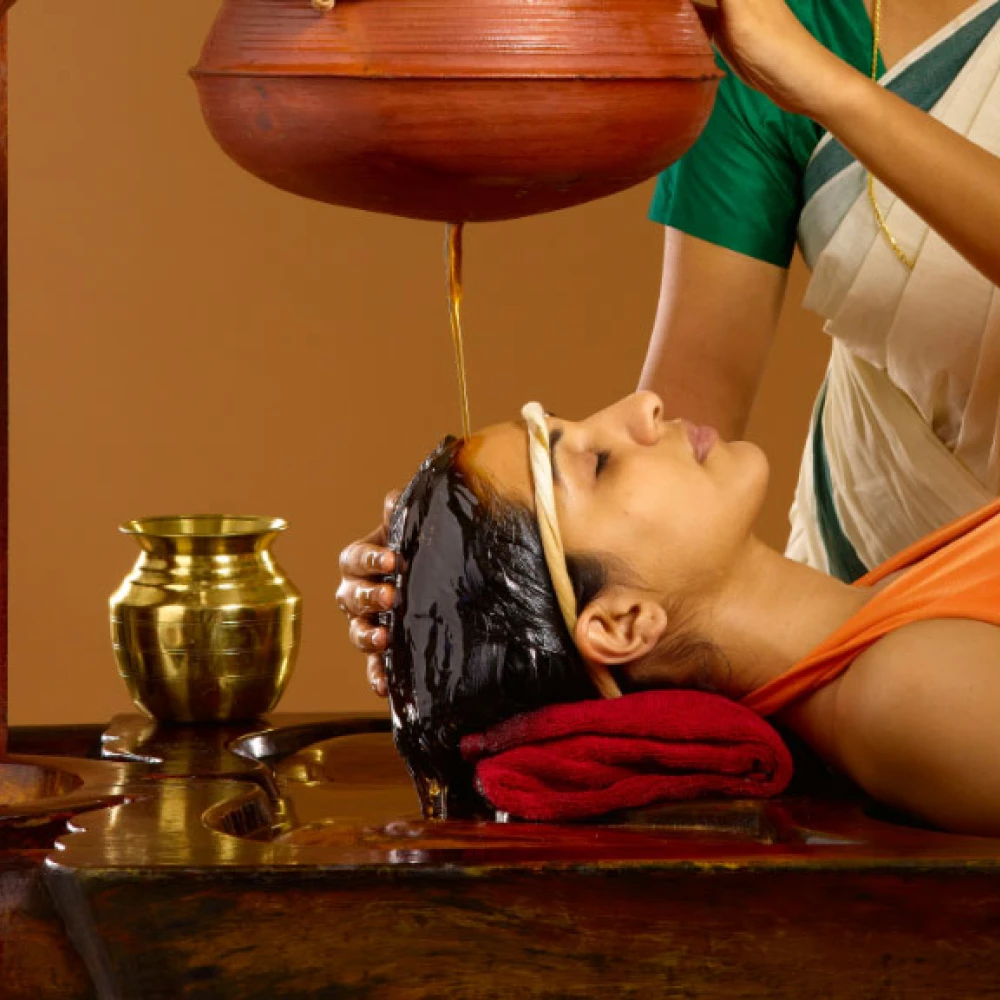
Kerala is globally considered to be synonymous with Ayurveda. Its:
These factors collectively make it a flagship destination for Ayurvedic tourism.
In 2024, foreign visitor arrivals in Kerala for healthcare and wellness purposes are expected to be 740,000, with 60-70% choosing Ayurvedic healthcare and treatments such as Panchakarma and rejuvenation therapies. The ayurvedic medical value tourism market in Kerala alone generated a business turnover of ₹13,500 crores (about USD 1.6 billion) in 2024, an enhancement from the previous years’ turnover of ₹10,800 crores.
Kerala alone has been estimated to contribute 42% to the wellness tourism sector in India; this is a testimony to its efficiency in handling high-end Ayurveda in terms of stays, in spite of being home to only 3% hotels in India.
The Kerala model emphasizes:
Leading centers include:
These resorts are not just treatment centers but holistic ecosystems where guests stay for 14– 28-day health programs combining therapies, nature immersion, and lifestyle education.
Kerala also integrates modern value propositions, such as AYUSH visa support, cross-referral with clinical medicine, and global marketing under “Heal in India.”
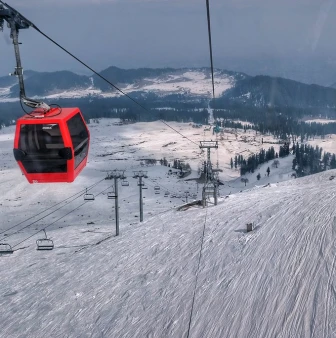
The Himalayas — Uttarakhand, Himachal Pradesh, and parts of Jammu & Kashmir — they offer a contrasting Ayurveda tradition, which is:
Destinations include:
The Himalayan topography — fresh air, low pollution, high altitude — creates an ecological support system that enhances therapeutic Rasayana effects.
Rasayana in Ayurveda aims at tissue rejuvenation, immunity enhancement, cognitive clarity, and longevity. In Himalayan Ayurveda, this is supported by:
Anecdotal evidence from long-stay visitors indicates:
While formal clinical data is emerging, the wellness tourism demand for mountain retreats in India is growing at a double-digit rate, especially among European and Northern American wellness travelers who seek the combination of nature, spirituality, and Ayurvedic healing.
Rajasthan & Gujarat are distinct regional traditions of Ayurveda practice, closely associated with:
Though not classically identified as traditional Ayurvedic states such as Kerala, these states have been practicing local cuisine specialties that make up the varied healing landscape of India.
Examples:
These regions also complement wellness tourism with:
Combining culture, climate, and folk health systems adds geo-cultural richness to Ayurveda tourism.
Maharashtra has a robust Ayurveda ecosystem, which is focused on:
Atmantan Wellness Resort, situated close to the Indian city of Pune, uses a combination of Ayurvedic medicine and contemporary diagnostic and treatment approaches to attract health tourism.
The high population of Maharashtra (for instance, in Mumbai, Pune) gives it domestic demand, apart from its geographic variability that provides for escape diversity.
In Karnataka — especially around Bangalore and coastal Gokarna — wellness retreats combine:
Resorts such as SwaSwara in Gokarna provide holistic programs rooted in ecology, diet, and traditional healing modalities.
The proximity to international air gateways (e.g., Bengaluru) also helps capture medical tourism and wellness travelers who seek shorter but deeper retreats.
Tamil Nadu’s Ayurvedic tradition exists alongside Siddha medicine, another ancient Indian system. Coastal and temple towns (e.g., Rameswaram, Kanyakumari) are increasingly blending Siddha and Ayurveda retreats, creating a hybrid southern heritage healing circuit.
The state’s temple towns, cultural festivals, and natural landscapes add an experiential dimension to healing tourism.
States like Goa and coastal Karnataka integrate Ayurveda with:
Goa’s boutique wellness retreats (e.g., Ashiyana Yoga & Spa Village) offer:
Detox retreats with ocean breezes — a combination of culture and climate that appeals widely.
Forest ecosystems — such as Wayanad in Kerala or the Nilgiris in Tamil Nadu — provide high biodiversity, herbal resources, and quiet natural settings for healing. Practices here often involve:
Forest environments support the Ayurvedic principle of living with nature, and many tourists seeking sensory detox immersion pick such settings.
Tribal Ayurveda Practices
The tribes of India maintain the ethno-medical knowledge of herbs and healing traditions closely woven into their environment and culture. Although the specific information regarding the tribes and Ayurvedic practices is less formally documented regarding tourism, the tribes’ knowledge enhances the overall Ayurvedic experience.
While developing a tourism model, it becomes extremely important that tribal knowledge must be respected and not appropriated in an unethical manner.
The Andaman and Nicobar Islands are also not a major part of Ayurvedic history, but are now recognized as a unique and exciting offering in terms of wellness tourism in India because of:
The Andaman’s noiseless beaches, biodiversity, and seclusion from the stressful influences of urbanization offer a distinct backdrop for the Ayurveda + Yoga + Meditation + Ocean Therapy packages in accordance with the international trend of nature-based wellness travel.
Region | Specialties | Key Features |
Kerala | Panchakarma, Rejuvenation | Classic treatments, backwater ecology |
Himalayas | Rasayana, Spiritual Healing | High altitude, yoga integration |
Rajasthan & Gujarat | Desert & Marma Ayurveda | Folk therapies, climate adaptation |
Maharashtra | Clinical Ayurveda, Boutique retreats | Urban wellness + nature retreats |
Karnataka | Boutique holistic retreats | Eco-Ayurveda, coastal & Gokarna retreats |
Tamil Nadu | Siddha + Ayurveda synergy | Temple circuits & coastal therapy |
Coastal States (Goa) | Beach Ayurveda | Sea climate healing |
Forest & Tribal Zones | Traditional herbal ecotherapy | Biodiversity healing + sensory detox |
Andaman & Nicobar Islands | Oceanic Ayurveda | Island health tourism potential |
Ayurveda Traditions Across India
↓
----------------------------------------------------------------------------------
| | | | |
Kerala Himalayan Desert/Marma Urban Coastal/Forest/Tribal
(Panchakarma) (Rasayana & Yoga) Ayurveda (Clinical) Ayurveda (Nature Ayurveda)
↓
Wellness Tourists
↓
Integrated Healing Journeys
Because of the convergence of nature, therapeutic schedules, and cultural experiences at the retreat centers, tourists stay for an average of 14+ days."
Retreats in Rishikesh that integrate:
These sites combine healing with spiritual tourism.
Desert therapy camps that integrate:
This offers a different climatic therapy contrast to humid Kerala or cold Himalayas.
The Ayurveda tourism industry, which is a trademark of India, is actually a mosaic containing the Ayurvedic traditions of different regions of India and the nature and culture of those regions that are associated with the Ayurveda system of treatment and health and wellness philosophies and practices that are pretty distinctive and add value to the world's health and wellness landscape.
Such integration with Andaman’s potential in health tourism with an oceanic theme can establish India as a destination not merely for healing, but as the one that can define wellness around the globe, having a blend of a rich heritage and a diversity in nature and experience.