
*T&C Apply
 Sightseeing
 Hotel
Hotel Cab
Cab Meal
Meal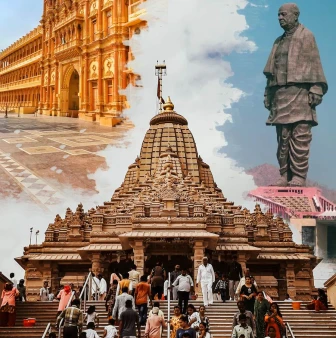
*T&C Apply
SightseeingHotelCabMeal
*T&C Apply
SightseeingHotelCabMeal
*T&C Apply
SightseeingHotelCabMeal
*T&C Apply
SightseeingHotelCabMeal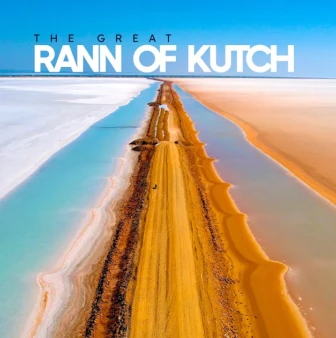
*T&C Apply
SightseeingHotel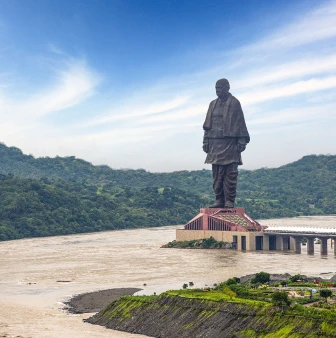
*T&C Apply
 GuideSightseeingHotel
 Entry Ticket
It’s now known for its industries, heritage cities, temples, and tribal regions too. There’s a lot to see. Some visit the wildlife in Gir National Park; others go to places like Dwarka, Somnath, or the Rann of Kutch. It’s not the usual tourist scene, and that’s part of the draw.
At My Tour Plans, we offer simple Gujarat tour packages that fit different types of travel. You can book a family package if you want an easy plan that covers major spots. We’ve got a couple of packages for quiet, relaxed trips. If you’re on your own, there are flexible solo Gujarat tour packages. For bigger plans, we also handle group tours. You pick what you want to see, whether it’s the Statue of Unity, Palitana temples, handicraft villages, or just a mix of places with good food and decent roads. Looking for something quieter? Scroll down to our Offbeat Destinations section. We keep it easy and real.
Gujarat is a big state, and not everything is easy to figure out. Some places, like the Rann of Kutch, need permits. Gir National Park has fixed safari timings that book out early. Distances between places are long. In the desert or rural areas, transport is limited. It’s not always practical to manage on your own. If you go with My Tour Plans, everything is already handled. You won’t need to worry about where to stay or how to get around. We’ve got people across the state, and the bookings are done in advance.
Our Gujarat tour packages work for couples, families, solo travellers, and groups. It’s not about making it fancy. It’s just about making sure you see what you came for, without running into problems along the way.
Gujarat isn’t the same everywhere, and the weather shifts depending on where you go. In the west, Kutch is dry and flat, while Gir has some forest and gets humid. You don’t need to overthink the calendar, but certain months work better depending on what you’re there for.
Ahmedabad
A mix of old-world charm and new development. Visit Sabarmati Ashram, explore the heritage poles, and walk the Sabarmati Riverfront in the evening. Sidi Saiyyed Mosque and the Adalaj Stepwell show off Gujarat’s fine stonework. The old city is best seen on foot, especially during the Heritage Walk, where every corner tells a story. A great base to begin your Gujarat trip.
Rann of Kutch
The White Rann is best during Rann Utsav, with music, local crafts, and desert stays in Dhordo or Hodka. Visit Kala Dungar, Bhuj, Kutch Museum, and Aina Mahal. Full moon nights light up the salt desert. The silence, the scale, and the stars above make this place different from anywhere else in India. Plan a night stay to feel it.
Gir National Park
Home of the Asiatic lions, open from October to June. Morning jeep safaris offer the best chance to spot wildlife. You’ll also find leopards, crocodiles, and rare birds here. The nearby Devaliya Safari Park is ideal for shorter visits. Stay near the park and explore Maldhari tribal villages to see how locals live in sync with the forest. It’s wild, but grounded.
Somnath
One of the 12 sacred Jyotirlingas, Somnath Temple, sits right on the coast, with strong sea winds and crashing waves. Sunset is the best time to be here. The sound-and-light show tells the temple’s long story of destruction and rebuilding. Walk to Bhalka Tirth, where Lord Krishna is believed to have left his body, and stop at Triveni Sangam nearby for a peaceful view.
Dwarka
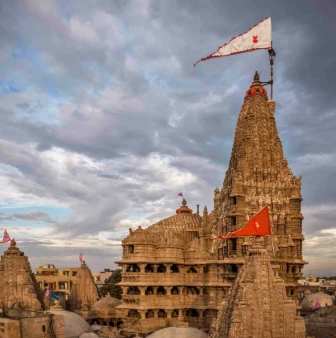
An ancient city tied to Lord Krishna, and one of the four major Char Dham pilgrimage spots. Visit the grand Dwarkadhish Temple and see the long temple flag ritual. Take a boat to Bet Dwarka, believed to be Krishna’s old kingdom. Nearby are Rukmini Devi Temple and Gopi Talav, both linked to legends. The old town has narrow lanes and a coastal charm.
Statue of Unity
Located in Kevadia, this is the world’s tallest statue, built in honor of Sardar Vallabhbhai Patel. Take the lift up to the chest-level viewing deck. The site has become a tourist hub with the Valley of Flowers, Glow Garden, Jungle Safari, and boating. There’s also river rafting, cycling trails, and clean, well-managed spaces for walking. It’s worth spending a full day here.
Champaner-Pavagadh
A UNESCO World Heritage Site, this area mixes Hindu and Islamic architecture in temples, mosques, stepwells, and palaces. The standout is the Jami Masjid with detailed stone latticework. Pavagadh Hill above has the Kalikamata Temple, reachable by ropeway or steps. Come during the monsoon when the green views stretch for miles. The old ruins are peaceful and not crowded like many other spots.
Saputara
The only real hill station in Gujarat, located in the Dang region. Cool weather, clean air, and green surroundings make it a good break from the plains. Boating at Saputara Lake, ropeway rides to Sunset Point, and short hikes to Gira Waterfalls are popular. The Tribal Museum and local markets selling Warli art and bamboo crafts show off the region’s culture. Good for families.
Bhavnagar & Palitana
Start in Bhavnagar with visits to Takhteshwar Temple and Victoria Park. From there, head to Palitana, a major Jain pilgrimage site. Climb the Shatrunjaya Hills, with over 800 carved temples stacked along the path. It’s a steep but rewarding walk. Go early in the morning to avoid heat and crowds. The view from the top is worth it, especially at sunrise. One of Gujarat’s spiritual highlights.
Velavadar
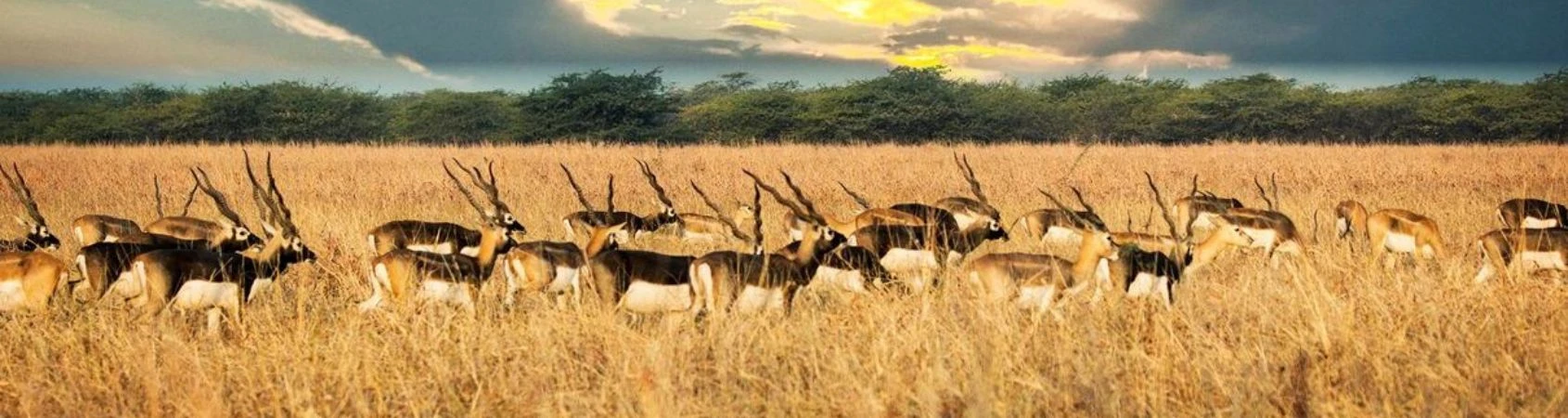
Also called Blackbuck National Park, this grassland near Bhavnagar is quiet, open, and rarely crowded. See herds of blackbucks, nilgai, and many types of birds in the open landscape. It’s one of the few places in India where you can see such wildlife up close in a natural setting. Best from October to March. The sunsets here over the dry fields are unforgettable.
Lothal
An Indus Valley Civilization site located near Ahmedabad. You’ll see old city remains and a dockyard system that shows how advanced ancient trade was. The museum gives useful context. It’s small but important, especially if you like ancient history. The site is usually quiet and open for walks. Best visited with a guide who can explain the ruins properly. Combine it with a nearby village tour.
Dholavira
Located in Kutch, Dholavira is one of the best-preserved Harappan sites in India. You’ll see ruins of a planned city with water systems and large structures. Visit the small on-site museum and take in the Khadir Bet landscape around it. The place is remote, so plan your stay ahead. Combine the trip with a stop at the Rann. It’s hot, dry, and full of silence.
While Gujarat dazzles with big-name attractions, its lesser-known gems reveal the raw, unpolished beauty that seasoned travelers crave. If you’re looking to go beyond the guidebook, these offbeat regions are perfect for immersing yourself in authentic Gujarat.
Dholavira, nestled in the Great Rann of Kutch, is an ancient Harappan archaeological site that unravels the story of one of the world’s oldest civilizations. Walking through its excavated streets, reservoirs, and signboard inscriptions in the Indus script is like stepping back 5,000 years into history. Unlike commercial hubs, Dholavira remains eerily quiet and hauntingly powerful.
Then there’s Zainabad and the surrounding Little Rann of Kutch, a lesser-known expanse of salt marshland that's home to the endangered Indian Wild Ass and a haven for migratory birds. A jeep safari across the Rann, especially in the golden hour of sunrise or sunset, introduces you to a landscape both lunar and lush with life.
In southern Gujarat, Polo Forest near Himmatnagar offers a retreat into dense greenery, ancient ruins, and tribal harmony. Once a city ruled by the Parihar kings, its crumbling Jain temples and Shiva shrines lie quietly beneath towering canopies. Trekking here through fog-draped trails, especially during the monsoon, is pure wilderness bliss.
Mandvi, a sleepy coastal town near Bhuj, surprises with its pristine beaches, royal palaces, and traditional shipbuilding yards. Vijay Vilas Palace, a summer retreat of the Kutch royals, and the untouched beauty of Mandvi Beach present the perfect blend of history and relaxation away from the crowds.
And if you’re drawn to mysteries, head to Lothal, where another Indus Valley site reveals a remarkable dockyard and grid-planned town, proof of Gujarat’s ancient maritime prowess. For spiritual quietude without the crowds, Taranga Hills and Idar offer silent cliffs, rock-cut temples, and sacred energy amidst dramatic terrain.
Experience the Rann Utsav in the White Desert
Go during winter, ideally on a full moon night. It’s quiet, open, and different. These kinds of moments make Gujarat tour packages for couples or solo trips worth it. Local dance shows, food stalls, and camel rides all happen in one place. Stay in a desert hut and wake up to nothing but white salt land.
Take a Safari in Gir National Park
Morning is best. The jeeps are open, and the forest is dry. Spotting a lion is rare but possible. It’s calm, dusty, and real- not a zoo. Works well for Gujarat family tour packages and groups looking for something exciting but safe.
Climb Girnar Hill
It’s a long walk- 10,000 steps or more. Along the way, there are Jain temples and shrines. The climb isn’t fast, but the view at the top is wide and peaceful. Fits into most Gujarat tour packages for solo travellers or religious group tours.
Boat on Saputara Lake
Paddling is slow and quiet. No motors, no noise. The hills around are green, and the town is small. A good break for couples or families who want to just sit for a bit. Add this to your Gujarat tour package for couples or anyone needing downtime.
Watch the Sunset from Saputara Ropeway
It’s short but scenic. You get a full view of the hills, valleys, and scattered houses. Clean and not crowded on weekdays. Works well in Gujarat group tour packages or couple plans.
Visit the temples in Dwarka and Somnath
Not too busy, and the places feel old but calm. The sea breeze in Somnath helps. Add these stops if your Gujarat trip package includes spiritual travel or just quiet places.
Gujarat Tour Packages for Couples
For couples, Gujarat has a slower rhythm. The Rann of Kutch is quiet but striking, especially during the festival. Nights in desert camps are simple: music, firelight, camel rides. Saputara gives a hill view and clean air. You can take the ropeway or just sit and watch the sky change. Places like Dwarka and Somnath offer time for short spiritual stops. It’s calm, not rushed. Drives aren’t long, and the crowd is usually light.
Gujarat Tour Packages for Families
Travel with kids is easy here. The roads are smooth, the hotels are decent, and there’s space to move around. Gir National Park gives kids a chance to see lions and peacocks. At the Statue of Unity, there’s a park with rides and a toy train. Parents can stop at temples, old stepwells, or just enjoy quiet sunsets. Places like Science City and Saputara break up the trip, so it doesn’t get boring. Food is simple, and the pace works.
Gujarat Tour Packages for Solo Travellers
Solo travellers don’t need to plan much here. Ahmedabad has old markets, food lanes, and quiet spots like the riverfront. Bhuj is good for craft villages and open desert views. Polo Forest is quiet and green, just nature. Local buses and trains are okay, and people help if you ask. These Gujarat tour packages for solo travellers suit anyone who wants to go slow and see things on their terms.
Gujarat Tour Packages for Groups
Groups often head to places like Diu, Bhuj, or Dwarka. Roads are fine, and group hotels are easy to book. During Navratri, trips feel more local, with garba nights, small fairs, and food stalls. Whether it’s friends, college trips, or an office outing, Gujarat works without too much planning. Travel is easy, and the state is well-connected.
Gujarat gives you more than just places to see. The White Rann under the moon, the sound of lions in Gir, and the old streets of Dwarka stay with you. It's a state that feels real, easygoing, rooted, and not trying too hard.
If you're with family, spots like the Statue of Unity, Gir National Park, and Science City are simple to plan and not tiring. Couples can slow down in Saputara, take a quiet camel ride in the Rann, or visit peaceful temples. Solo travelers can move easily through places like Ahmedabad, Bhuj, and Polo Forest. People are helpful, roads are good, and stays are sorted.
At My Tour Plans, we keep things simple. We organize trips that work with comfortable hotels, smooth routes, and perfect timing. No crowds, no pressure. Just Gujarat, as it is. If you want an authentic trip, not a rush, let us take you there.
How are Gujarat tour packages structured for families travelling with children and senior members?
Family packages of Gujarat tour may consist of such tours that have shorter daily travel hours and a fixed hotel base. Most family road trip plans avoid one overnight trip by road and long one-day drives. Tourists’ itinerary is restricted to a maximum of two or three places a day only. Hotels are selected near the city centre to minimise local travel time. Places with high elevation are avoided. Early in the day, a temple visit and heritage site assignments reduce crowd density and heat exposure.
What does a well-planned 3-day Gujarat tour package usually cover, and what are its limitations?
Gujarat tour packages are designed for one travel belt in three days. It is common to take a trip with Dwarka Ahmedabad or a trip with Somnath Ahmedabad. Including Kutch or Gir in the same plan is not possible as there is no time for it. Much of an itinerary is consumed by travelling on the road. Attractions are selected, not exhaustive. A 10-day trip is ideal for tourists opting to follow one theme, like temples & heritage.
How does a 4-day Gujarat tour package differ in pace and coverage compared to shorter itineraries?
A 4-day Gujarat tour package is better than any shorter one for travel and sightseeing. This includes Ahmedabad, Dwarka, Somnath, and a small buffer. Each day, the driving times remain regulated. With no rush, you can visit the temple in the morning. Three-day plans decrease hotel check-ins and improve route planning. This duration still does not include Kutch unless flown or planned.
What is the realistic price range for Gujarat tour packages based on hotel category and transport type?
Gujarat tour packages' price depends on your choice of accommodation and vehicle.
The prices rise during festivals and winter months.
Which destinations are normally included in Gujarat tourism Kutch packages, and how many days are required?
Kutch packages Gujarat tourism usually has them going to Bhuj, the white Rann, Kala Dungar, and nearby villages famous for handicraft making. To accommodate travel distances, Kutch requires at least two full days minimum. If traveling by road from Ahmedabad, an extra day is required. Rann visits can only occur at specific time intervals, depending on the season and permit.
How do Gujarat tour packages from Ahmedabad differ from packages starting from other cities?
Gujarat travel packages from Ahmedabad reduce the expenditure and time. Ahmedabad is a centrally located entry point that has good connectivity by road and air. It provides Dwarka and Somnath with convenient and easy access. Packages that arrive from other cities will take a whole day for their entry and exit travel. This enables limited sightseeing and significantly hikes the overall cost of the package.
What travel route is commonly followed in Gujarat tour packages from Mumbai, and how is time managed?
Gujarat packages from Mumbai mainly follow the Mumbai – Dwarka – Somnath – Ahmedabad route. Avoid fatigue from road traffic by using the overnight trains or flights. Touring day continues briefly because of long distances. Travel days are just transit days without lunch halts. This route is ideal for those who have a fixed holiday calendar and enjoy traveling to temples.
How are Gujarat tour packages from Delhi planned to balance travel time and sightseeing days?
Packages from Delhi rely on flights or overnight trains to Ahmedabad.
This planning helps preserve two full sightseeing days within short holiday windows.
What factors decide the cost difference between the budget and premium Gujarat tour packages?
Cost differences depend on hotel category, vehicle size, and seasonal demand. Budget packages use standard hotels outside prime zones. Premium packages use centrally located hotels and private SUVs. Entry fees, guide services, and meal plans also affect pricing. Winter months and festival seasons push rates higher across all categories due to demand-driven pricing.
How do customised Gujarat tour packages work for families with fixed travel dates and preferences?
Customised Gujarat tour packages are built around fixed entry and exit points. Route planning adjusts sightseeing order instead of adding locations. Hotel selection depends on family size and room availability. Meal plans remain flexible. Travel pace is modified rather than itinerary length. My Tour Plans generally use route optimisation instead of packing extra locations to maintain comfort.
What is the best seasonal window for booking Gujarat tour packages without festival crowd pressure?
The ideal time for Gujarat tour packages is mid-October to early December and late January to February. The weather doesn’t change, and the crowd density is optimum. The crowds and costs escalate in end-December when Rann Utsav's peak weeks and large temple fairs take place. Taking a trip in summer saves you a lot of cash. However, you cannot go out during the day due to the scorching weather.
How many days are required to cover Dwarka, Somnath, and nearby destinations comfortably?
To cover Dwarka and Somnath in a comfortable manner, he must have a minimum of 3 days, excluding arrival and departure travel. To do billing in Dwarka, billing in Somnath, and traveling through the two places with stoppages in between requires one day each. You can add one more day for Porbandar or any of the local beaches. To ensure you are not hurried while on the program.
What kind of accommodation standards are typically included in Gujarat tour packages for families?
A standard or deluxe hotel with an attached bath and elevator is normally offered in a family-oriented package in Gujarat. Extra bedding can be accommodated in rooms. Proximity to the city helps cut down on traveling stress. In places like the outskirts and Kutch, luxury resorts are limited. Most packages are wary of homestays as service standards are inconsistent for families.
How is local transport managed within Gujarat tour packages across long travel distances?
Local transport uses point-to-point routing instead of circular sightseeing loops. Sedan vehicles suit couples and small families. Larger families use tempo travellers or SUVs. Driving hours are capped per day to manage fatigue. Night driving is usually avoided except for highway transit between major cities.
What are the realistic expectations from Gujarat tour packages focused on religious circuits?
Religious circuit packages focus on temple access and darshan timing rather than extended sightseeing. Waiting times vary based on crowd volume. Accommodation remains functional, not luxury-focused. Travel involves early starts and structured schedules. These packages prioritise coverage and timing discipline over leisure activities or shopping time.
How are Gujarat tour packages planned during the Rann of Kutch season, and what timing rules apply?
Rann of Kutch packages follow strict operational windows.
Delays result in missed access due to permit enforcement.
What inclusions usually affect the final pricing of Gujarat tour packages more than expected?
Final pricing often increases due to vehicle upgrades, peak-season hotel surcharges, and guide services at heritage sites. Festival periods raise accommodation costs sharply. Adding buffer nights increases hotel expenses more than sightseeing costs. Travelers often underestimate transport costs for long intercity routes within Gujarat.
How does group size impact itinerary flow and cost in Gujarat tour packages?
Group size changes vehicle choice and hotel room allocation.
Planning efficiency becomes more important than location count.
What are the common travel constraints faced during short Gujarat tour packages under four days?
Short packages face limited route flexibility and tight schedules. Long-distance drives reduce sightseeing time. Missed early starts affect temple access. Weather conditions impact summer travel. Adding Kutch or Gir becomes impractical. These constraints make selective destination planning essential rather than broad coverage.
How early should Gujarat tour packages be booked during peak tourist months?
Peak season packages should be booked at least four to six weeks in advance. Rann season and December holidays require earlier bookings due to permit and hotel limitations. Last-minute bookings face limited hotel choice and higher costs. Transport availability also tightens during festival weeks.
What destinations are usually excluded from short Gujarat tour packages and why?
Short packages usually exclude Gir National Park, Kutch, and remote tribal regions. These destinations require dedicated travel days and fixed entry slots. Including them reduces time for core destinations. Wildlife safaris and Rann visits follow regulated schedules that do not align with short itineraries.
How flexible are meal plans and hotel choices in customised Gujarat tour packages?
Customised packages allow partial meal flexibility. Breakfast remains fixed due to hotel operations. Lunch and dinner options adjust based on route and preference. Hotel upgrades depend on availability rather than promise. My Tour Plans typically confirm alternatives before finalising any hotel change to avoid last-minute issues.
What documents or identification are required for smooth travel during the Gujarat tour packages?
Government-issued photo identification is mandatory for hotel check-ins. Rann permits require identity details submitted in advance. Children require age proof for certain entries. Vehicle documents are managed by operators. No special permits are required for temple visits except during specific festival control periods.
How do Gujarat tour packages handle long-distance road travel between major destinations?
Long drives are split into early morning departures with planned breaks. Highway routes are prioritised over interior roads. Overnight halts are used instead of continuous driving. Sightseeing is avoided on heavy travel days. This approach maintains safety and schedule accuracy across long distances.
What planning mistakes often affect the overall experience of first-time Gujarat tour packages?
Travelers often make the mistake of overloading their itineraries, ignoring distances, and booking during peak festivals without a buffer. Tiredness results from choosing destinations based on popularity, not logic. Not taking the weather impact lightly in the long term can affect your comfort. It is more important to sequence them properly than to cover too many places.


