Select the date of travelThe price in calendar represent the starting price per person.
Enquiry Form
Activities
Adventure Activities & Exciting Experiences
About Chasing Snow: Skiing Thrills in Kashmir
Winter snowfall across the Pir Panjal range supports skiing in Kashmir as a seasonal outdoor activity focused on terrain access, snow stability, and weather clarity. Snow coverage remains consistent across higher elevations during the core winter months, allowing for repeated use of slopes without rapid surface damage. Skiing in Kashmir depends on daily snow conditions rather than fixed schedules. Visibility, wind movement, and temperature shape each skiing day.
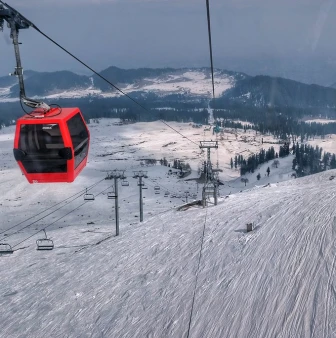
Among winter locations, skiing in Gulmarg offers the most organised slope access and winter infrastructure. The area sits at an altitude where snow remains compact and usable for extended periods. Lower slopes allow steady control and gradual movement, while higher sections open only under stable weather conditions. Road access from Srinagar follows a gradual climb, which helps reduce travel strain during winter conditions.
Planning for Kashmir skiing focuses on timing, access routes, and proximity to accommodation, rather than curated experiences. Most visitors structure travel around snowfall windows and slope availability. Logistics such as transfers, stay coordination, and daily movement often run through My Tour Plans, which helps reduce delays caused by weather changes. This approach allows skiing time to depend on real conditions rather than being preset itineraries.
Cost of Skiing in Kashmir
The skiing in Kashmir cost varies by season timing, snow depth, and access availability. Skiing in Gulmarg usually includes daily slope access charges, basic ski equipment rental, and local winter transfers. Accommodation, meals, and personal gear remain separate. Prices increase during periods of consistent snowfall when more terrain stays open. Cost planning works better with flexible ranges instead of fixed figures.
Cost Component
Approximate Range
Slope access charges
₹600 – ₹1,000 per day
Ski equipment rental
₹800 – ₹2,000 per day
Local winter transfers
₹1,500 – ₹3,000 per day
Accommodation
₹1,500 – ₹10,000+ per night
Inclusions
Daily access to designated skiing zones based on weather clearance
Standard ski equipment, depending on rental category
Local transfers between accommodation areas and slope entry points
Exclusions
Meals are not included with accommodation plans
Personal gear such as helmets, goggles, jackets, and gloves
Costs arising from weather-related slope closures
Visitors comparing Kashmir skiing packages often select cost ranges that allow daily adjustments. This method avoids paying for unused services during restricted access days. My Tour Plans generally align budgets with actual usage rather than bundled pricing, which helps manage winter travel expenses under changing conditions.
Top Skiing Areas in Kashmir
Gulmarg Base Slopes
The base slopes in Gulmarg handle a large share of winter skiing activity. These areas remain usable during moderate snowfall and shifting visibility. Terrain gradients stay even, which supports controlled skiing across longer sessions. Many visitors planning ski in Kashmir spend full days here without relying on higher terrain access. Road connectivity and local movement remain steady in this zone.
Kongdori Zone
The Kongdori zone provides mid-altitude skiing when weather limits access elsewhere. Snow compaction remains stable, and visibility often improves compared to higher elevations. This area supports consistent movement during wind or snowfall events. Visitors continue skiing in Gulmarg when conditions restrict the upper sections. The zone allows predictable slope use throughout much of the season.
Upper Terrain Sections
Upper terrain opens only under stable weather conditions. Wind strength, snow accumulation, and visibility determine daily access. These slopes provide longer runs and deeper snow but require clear weather windows. Visitors usually check the Gulmarg ski map before planning their time here to avoid delays caused by sudden closures. Access decisions rely on daily operational updates rather than fixed schedules.
How to Visit Kashmir
Access for skiing in Kashmir begins through Srinagar, which is connected by air to major Indian cities. From Srinagar, road travel moves toward Gulmarg through forested stretches and snow-prone zones. Travel time changes with snowfall intensity and road clearance activity. Early departures reduce exposure to delays during active snow periods.
Departure City
Route
Mode
Delhi
Delhi-Srinagar-Gulmarg
Flight + Road
Mumbai
Mumbai-Srinagar-Gulmarg
Flight + Road
Chandigarh
Chandigarh-Srinagar-Gulmarg
Road / Flight
Jammu
Jammu-Srinagar-Gulmarg
Road
The road journey from Srinagar usually takes two to three hours under normal winter conditions. Fresh snowfall may slow traffic near the final ascent. Visitors planning skiing in Gulmarg often allow buffer time instead of tight transfer schedules. My Tour Plans commonly build this buffer into travel planning to reduce pressure during snow-heavy days.
Permissions & Restrictions
Government-issued photo identification is required at checkpoints
Upper slopes may close during strong winds or poor visibility
Night driving is discouraged during snowfall or icy road conditions
Best Time to Visit for Skiing
The ski season generally runs from mid-January to late March, depending on yearly snowfall patterns. Skiing in Kashmir sees the most consistent snow conditions during January and February. Temperatures remain low enough to preserve surface quality, and snowfall cycles often clear into usable weather windows.
Period
Typical Conditions
January
Heavy snow, colder temperatures
February
Stable snow, improved visibility
March
Softer snow, reduced crowd levels
Late-season skiing suits visitors who prefer flexible access and lighter congestion. During this phase, skiing in Gulmarg often stabilises due to selective slope access rather than full-area availability. Travel planning during March focuses on timing ski hours around daylight and snow softness instead of extended full-day sessions. My Tour Plans usually align travel dates with expected snow stability to maintain consistent slope access under changing conditions.
Things to Do with Skiing in Kashmir
A trip planned around skiing in Kashmir includes several supporting activities that stay directly connected to snow conditions and slope access. These activities support skiing days rather than replacing them. Most of them take place either before skiing hours, after slope sessions, or during weather-restricted periods.
Snow walking remains a common supporting activity. Skiers use short snow walks near accommodation areas to warm up muscles before heading to the slopes. These walks help maintain balance on snow-covered ground and reduce stiffness caused by cold temperatures. Snow walking usually stays limited to flat or gently inclined areas to avoid fatigue before skiing sessions.
Equipment preparation forms another essential activity. Snow moisture and low temperatures affect ski bindings, boots, and poles. Skiers often spend time checking boot fittings, binding locks, and pole grips before each session. This routine reduces discomfort and prevents interruptions during slope use.
Slope observation also plays a role. Skiers often stand near slope entry points to assess snow texture, surface firmness, and visibility. This observation helps decide run selection and session duration. Observing conditions before entry reduces risk and improves control on unfamiliar terrain.
Other skiing-related activities include:
Light stretching before and after skiing sessions
Balance drills on compact snow surfaces
Snow condition checks for the following day
Controlled practice on gentle slopes before longer runs
These activities remain functional and skiing-focused. Planning for ski in Kashmir usually places these tasks around daily slope access instead of treating them as separate experiences.
Where to Stay During a Skiing Trip
Accommodation planning for skiing in Gulmarg focuses on winter functionality. Heating systems, water availability, and snow-cleared road access matter more than visual features. Distance from ski access points also affects daily movement, especially during snowfall.
Most accommodation options fall into three practical categories.
Type of Stay
Cost Range (per night)
Practical Use
Budget hotels
₹1,500 – ₹3,000
Short stays, basic winter needs
Mid-range hotels
₹3,000 – ₹6,000
Stable heating, better access
Premium hotels
₹6,000 – ₹10,000+
Extended stays, higher comfort
Heating methods vary between properties. Some use central heating, while others rely on room heaters. Confirming heating arrangements before booking remains important during peak winter. Power interruptions may occur during snowfall, so properties with backup systems provide better reliability.
Travellers comparing Kashmir skiing packages often separate accommodation booking from skiing expenses. This separation keeps daily plans flexible and avoids paying for unused services during restricted slope access days. My Tour Plans usually coordinate accommodation based on winter road reliability rather than hotel branding.
Travel Tips for Skiing in Kashmir
Winter travel requires preparation that supports movement in snow conditions. Skiing in Kashmir demands planning that allows adjustment without stress.
Wear layered clothing suitable for sub-zero temperatures.
Use waterproof outerwear to handle snowfall and slush.
Carry insulated gloves, thermal socks, and snow-ready footwear.
Begin road travel early to avoid afternoon snow accumulation.
Keep at least one buffer day between arrival and departure.
Packing light improves mobility during winter transfers. Heavy luggage complicates movement on snow-covered roads. Compact bags help during vehicle changes or delayed transfers. Mobile networks may fluctuate during snowfall. Saving offline maps, accommodation details, and emergency contacts helps during short connectivity gaps. Visitors planning skiing in Gulmarg often rely on local coordination instead of constant online access.
Safety & Etiquette While Skiing
Safety during skiing in Kashmir depends on discipline and awareness. Ski zones operate under daily safety assessments, and access can change without prior notice.
Follow marked slope boundaries at all times.
Avoid closed or unmarked terrain sections.
Wear helmets and protective gear consistently.
Maintain distance from others on narrow slopes.
Stop skiing during strong winds or poor visibility.
Snow layers change quickly. Fresh snowfall may cover compact ice beneath the surface. Controlled movement reduces risk in such conditions. Rescue response time depends on weather clarity, so conservative decisions remain essential.
Slope etiquette supports safe movement for all skiers. Controlling speed near access points, clear signalling, and avoiding sudden stops reduce collision risk. My Tour Plans usually share local safety guidelines during trip coordination.
Daily Ski Time Planning
Ski time depends on daylight hours, snow firmness, and visibility. Skiing in Gulmarg usually works best between late morning and early afternoon when light improves, and surface conditions stabilise.
January and February provide the most consistent snow quality. March introduces softer snow later in the day, which shortens effective skiing windows. Planning ski sessions earlier during spring weeks improves control and reduces fatigue.
Rest intervals between sessions help manage altitude exposure and cold stress. Continuous skiing without breaks often leads to early exhaustion, especially during multi-day trips.
Planning Ski Days Efficiently
Efficient planning improves slope usage without increasing risk. Skiing in Kashmir requires flexibility rather than rigid schedules.
Review weather updates each morning.
Adjust ski duration based on wind and visibility.
Avoid long runs during unstable conditions.
Keep return timings flexible due to road delays.
Local coordination helps track slope access updates. My Tour Plans often assists with daily movement planning based on weather forecasts instead of fixed itineraries.
Why Choose My Tour Plans
Winter travel logistics require coordination without rigidity. My Tour Plans supports skiing in Kashmir through operational planning rather than promotion.
Travel schedules include snowfall-related buffers.
Accommodation selection aligns with winter road access.
Cost planning remains transparent through defined ranges.
Daily movement plans follow weather updates.
On-ground coordination reduces confusion during peak snow days.
These services focus on clarity and timing rather than packaged experiences. Travellers retain control over skiing decisions while reducing logistical friction. Planning usually begins before peak winter to secure availability during high snowfall periods.
Read More
Policy
Exclusions
18% GST
Hotel Transfers
Cancellation Policy
100% costs will be incurred if tours or tickets are canceled after booking.
Help
For more details or any queries, feel free to contact our tour expert at: +91 72900 103544
A wonderful experience from start to finish! The team was attentive, accommodating, and extremely knowledgeable. Every detail of the trip was perfect. Thank you Mytourplans for such a wonderful trip.
What a fantastic adventure! The travel company provided impeccable service, and we loved the personal touches they added to our journey. Our family had a blast, and we can’t wait for our next trip!
Thrilling experience! The whole plan from day one is so beautifully designed that none of us feel tired and missed out. Thanks to the team for arranging our trip and assisting us throughout the trip
I literally fell in love with this place just because of My Tour Plans. I planned my Andaman trip for the Christmas eve and from flights, tours to accommodations all were incredibly arranged by them. I got to explore everything and enough time to enjoy that place. Thank you My Tour Plans for this trip.
Highly Recommended travel agency for any trip. They have very polite staff and drivers. Ms. Bandana designed a very well-designed itinerary. She took care of everything we needed and was available on call whenever we needed her. We had an enjoyable vacation.