
*T&C Apply
*T&C Apply
 Sightseeing
 Hotel
Hotel Cab
Cab Meal
Meal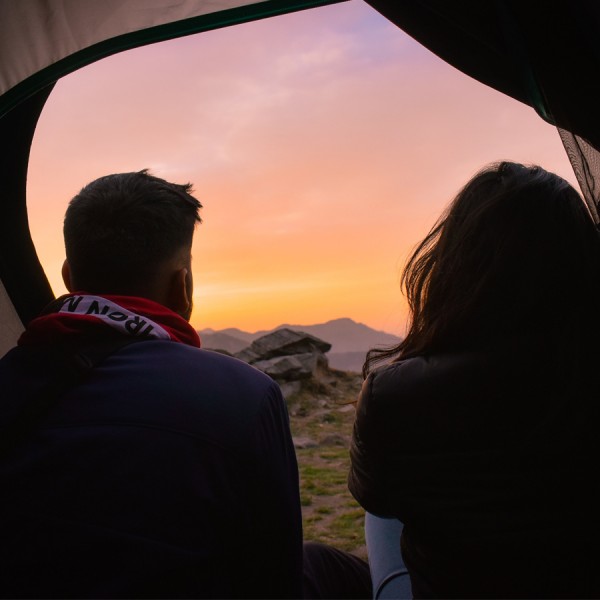
*T&C Apply
SightseeingHotelCabMeal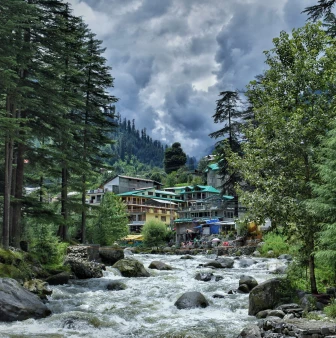
₹14,000
*T&C Apply
SightseeingHotelCabMeal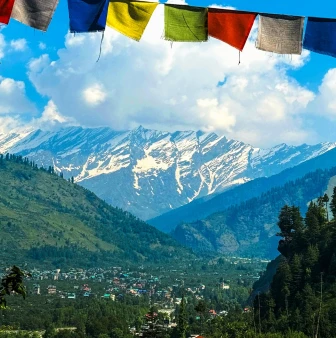
₹16,500
*T&C Apply
SightseeingHotelCabMeal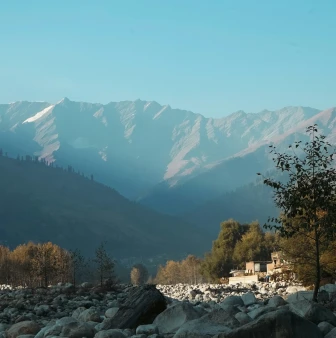
₹17,500
*T&C Apply
SightseeingHotelCabMeal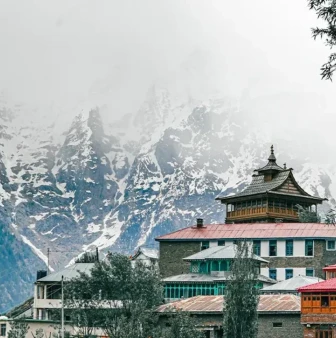
₹20,500
*T&C Apply
SightseeingHotelCabMeal
*T&C Apply
SightseeingHotelCabMeal
*T&C Apply
SightseeingHotelCabMeal
*T&C Apply
SightseeingHotelCabMeal
*T&C Apply
SightseeingHotelCabMealIt’s about slipping into peaceful villages where nobody disturbs you. No one’s selling anything. You don’t think much; you just walk. Let the cold breeze kiss your face. No one is asking anything of you. The evening arrives, and the wind intensifies. The sky transforms, neither blue nor pink, but something in between. A smile will remain on your face whenever you recall this moment in your life.
Whether you’re two people seeking peace, a family tired of screens and traffic, or someone traveling alone just to rediscover silence, Himachal offers you space. Our Himachal Pradesh tour packages aren’t designed for tourists. They’re crafted for people who want to be somewhere. We plan according to real-time, not haste. No rush, no pressure. Just the freedom to settle into the rhythm of the place.
Himachal looks simple on a map. But once you’re here, nothing is flat—on the land or the schedule. A place that looks close might take five hours. That café you saw online? Closed for the season. That hidden waterfall? No signs, no signal. That’s why it matters to have someone who’s walked the trail, who knows which road washes out in the rain and which guesthouse still serves hot rajma at 9 PM. A good Himachal tour package isn’t just logistics. It’s knowing which turn matters. It’s skipping what’s overdone. It’s pausing where others pass.
We don’t overpack our schedules. You’ll experience days with no set plans. You’ll have mornings that start late because sleep comes easily. You’ll have evenings that go quiet before you’re ready to speak again. That’s not just a holiday. That’s what travel should feel like.
Couples and Honeymooners
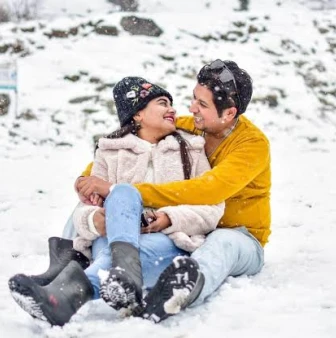
Himachal offers a kind of quiet that two people remember long after the trip. Early mornings with your hands wrapped around hot chai, barely speaking. Walking through pine forests in Dalhousie silently, yet knowing exactly what the other person is thinking. A cabin in Shoja where the wood creaks and dinner takes its time, but you don’t mind because everything feels just right. This place doesn’t ask you to perform live. It lets you feel it, without effort. Kalpa, Chitkul, Tirthan—these places don’t scream romance, but they hold it quietly, and that’s more lasting.
Families
If you're tired of malls, traffic, and screens, bring your family here. Himachal slows you down without making you bored. Toy train rides in Shimla make even adults smile. Forest trails that turn into mini-adventures. In Kullu, you might try rafting. In Dharamshala, children ask real questions after visiting a monastery. And in apple season, everyone is reaching for the red ones first. Evenings come softly. A homestay, a fire, something simple on the table. Laughter that comes without trying. This isn’t a theme park vacation—it’s something better.
Solo Travelers
There’s something about being alone in Himachal that doesn’t feel lonely. Maybe it’s the way strangers say hello on a trail. Or how a roadside dhaba makes space at the bench without asking your name. In Bir, you stare at paragliders from a slope and think of nothing for hours. In Jibhi, you stay one more night, then another, just because. There's no pressure to do anything, and no need to explain why you're here alone. Himachal doesn't question; it simply allows you to be.
Himachal isn’t made for bucket lists. It’s not a place you “cover.” You live it, little by little. Some towns leave you breathless with altitude, some with emotion.
Shimla
It’s easy to dismiss Shimla as just another hill town. But it’s more than the Mall Road or Ridge. Walk a little further, past the crowds. The Viceregal Lodge, the toy train whistling around a bend, a winter sun warming cold stone walls—those are the real moments. Shimla is still holding on to its story. You just have to look in the quiet corners.
Manali
There are two Manalis. The one that’s buzzing with bikers, hot momos, and souvenir shops. And then there’s Old Manali. Cobblestone paths, apple orchards, smoky cafés, the river always within reach. Solang is up ahead for snow-lovers. Rohtang is dramatic, but sometimes, just a chai by the river in silence says more.
Dharamshala & McLeod Ganj
This isn’t just another mountain town. You feel something shift when you arrive. Maybe it’s the prayer wheels. Or the way the Tibetan flags flap in the wind. People come to the Dalai Lama temple. But they stay longer than they meant to. That says something.
Spiti Valley
You don’t plan Spiti casually. The roads demand patience, the heights demand lungs, but what you get in return is clarity. The kind that only comes when your phone’s out of service and the world slows down. Key Monastery clings to a cliff like it’s always been there. Langza, Hikkim—they don’t try to impress. They just are. And that’s what makes them unforgettable.
Kullu
Often overlooked, Kullu is easy to pass through. But stop. Just for a day. The Great Himalayan National Park isn’t loud about what it offers. Which is the point? Miles of untouched forest, old wooden homes, and trails that go on till you forget what day it is.
Dalhousie & Khajjiar
Dalhousie doesn’t demand your attention. It gives it gently. Colonial rooftops, winding paths, and old-world quiet. A place where you walk more, scroll less. Then Khajjiar—a wide-open space, framed by trees. Feels unreal. But it’s there. Waiting.
Tirthan Valley
You don’t discover Tirthan from Instagram. Someone tells you about it. A friend, maybe. Quiet river, trout fishing, no loud tourists. You come here to reset. To not be “doing something” all the time. It grows on you slowly, like good weather.
Kasol
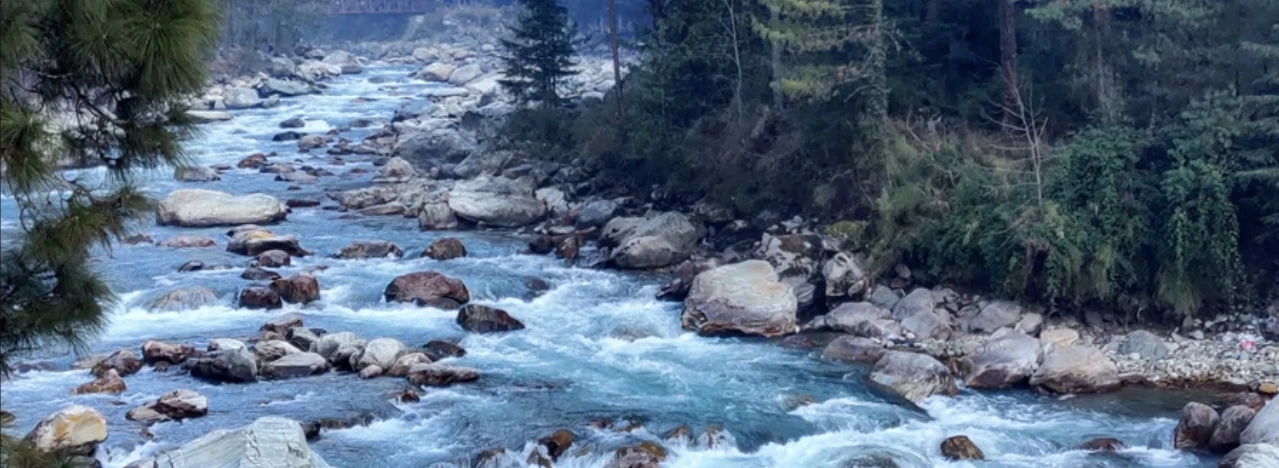
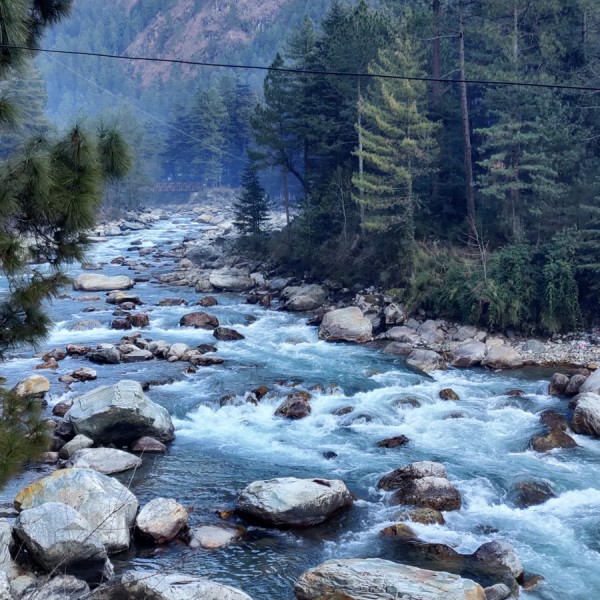
It’s changed, sure. But there’s still a rhythm here. The river still runs clear. The food is still better than you expect. And if you step off the main path, into the woods, Kasol will still surprise you. Especially on quiet mornings when smoke rises from wooden homes, and no one’s talking yet.
Tosh, Kalga & Pulga
If Kasol is a doorway, these villages are the rooms behind it. You walk in, and you stay longer than you planned. Electricity flickers, conversations stretch, and the stars feel closer somehow. There’s not much to “see,” but somehow you remember everything.
Mashobra
Hidden behind Shimla’s noise, Mashobra waits patiently. No traffic jams, no neon signs. Just deep forest, cool air, and birds you don’t know the names of. Perfect if you want the mountains without the drama.
Jibhi & Shoja
Jibhi’s the kind of place you stumble into and stay longer than planned. Small wooden cottages, lots of green, barely any noise. You hear the river before you see it. The Internet works, but you won’t care much. Shoja’s close by—fewer people, better views. Wake up early, step outside, clouds right at eye level. No one’s in a rush here. Not even the birds.
Chitkul
It’s the last village before the border. Once you reach it, there’s not much—just old wooden houses, prayer flags, and mountains so close they don’t feel real. It’s not a place full of activities. You walk, sit, and breathe. Some chai by the road, maybe a walk by the Baspa River. That’s it. And somehow, that’s enough.
Kalpa & Sangla
Kalpa is known for its view of Kinner Kailash. But it’s not just the mountain—it’s the quiet. Days move slowly here. Apple orchards are everywhere. In the evening, the sky turns orange and everything feels still. Sangla, deeper in the valley, is rougher, wilder. The Baspa flows loudly there. You can hike or just sit by the water. Either works.
Barot
Barot’s not on most itineraries, which is why it still feels real. A small valley, fishing spots, and hills that look like they belong in postcards. No cafes with mood lighting. Just locals, fresh trout, and quiet roads. If you want a trail, take the one to Rajgundha. If not, just walk. That’s what people do.
Gushaini
Gushaini runs along the Tirthan River, but in a soft, quiet way. You won’t see many signs. Just a few guesthouses tucked behind trees. Mornings are misty. People talk less. The river keeps you company. You can head into the Great Himalayan National Park if you want, or stay and do nothing. That’s the charm.
Malana
Malana isn’t like the rest. The village has its own rules, and they mean it. Don’t touch the houses. Don’t try to act like a tourist. You’re a visitor, and that’s all. Locals keep to themselves, and honestly, it’s better that way. The air’s sharp, and the valley feels like it doesn’t belong to this time. You go there quietly. You leave quietly. And maybe you think about it more than you expected.
Adventure Activities in Himachal
Himachal’s landscape is perfect for thrill seekers. Whether you’re flying above green valleys or hiking across snowy trails, the experience feels raw and unforgettable.
Nature and Wellness Escapes
Himachal offers moments of calm just as powerfully as it offers adrenaline.
Cultural and Local Life Experiences
The beauty of Himachal isn’t just in its mountains—it’s in the way people live close to nature and tradition.
Quiet Viewpoints and Photography Spots
For photographers or quiet souls, these spots offer moments that stay long after the trip ends.
Every season brings a different face of Himachal:
Himachal is easily accessible by road, rail, and air. Depending on your starting point, your trip can offer scenic views right from the beginning.
City | Travel Option | Details |
Delhi | Bus, Train, Flight | Overnight Volvo buses to Manali, Shimla. Trains to Kalka. Flights to Kullu. |
Mumbai | Flight | Flights via Delhi to Kullu (Bhuntar) or Dharamshala (Gaggal). |
Chandigarh | Train, Bus, Cab | Nearest rail access. The starting point for many Himachal routes. |
Kolkata | Flight, Train/Bus | Fly to Delhi/Chandigarh, and continue by train or bus. |
Bangalore | Flight | Best to fly to Delhi and take a connecting flight to Kullu/Dharamshala. |
Ahmedabad | Train, Flight | Trains to Delhi, flights to Kullu (seasonal). |
Himachal Pradesh doesn’t give you one memory—it gives you many. A shared laugh over Maggi by a stream. There was a long silence watching snow fall on deodar leaves. A chai break with a stranger who becomes a friend. Every turn on the mountain road holds a story. Our Himachal Pradesh Tour Packages are designed to help you find those stories without stress, without guesswork. Whether you’re planning a family trip, a romantic escape, or a personal journey, you’ll find that Himachal doesn’t just welcome you. It holds you, gently, until you feel a little more whole.
How do Himachal Pradesh tour packages from Delhi usually plan road travel and stopovers?
Traveling by road from Delhi through Chandigarh is a common aspect of Himachal Pradesh tour packages. It ensures driving hours remain under control so that fatigue can be reduced. Most schedules have no nighttime driving in hilly terrain, nor long-distance travel on Day 1. Stopovers depend on the ultimate stop. Shimla routes require fewer hours than Manali routes. Most packages do not allow multiple stopovers on one travel day, as that causes delays and higher fuel costs.
What makes the pricing of Himachal Pradesh tour packages change so sharply across seasons?
Prices of Himachal tour packages mostly vary because of seasonal hotel pricing. The price of a package increases in summer vacation months and the winter months of snow. When the demand peaks, transport costs also soar due to the vehicle shortage. Traveling in the off-season saves costs mainly as hotels reduce tariffs and not as itineraries change a lot.
Which Himachal Pradesh tour packages suit families looking for slower travel and fewer destinations?
Family-focused Himachal Pradesh tour packages usually limit the itinerary to one or two destinations. These packages avoid long daily drives and select towns with easy sightseeing access. Shimla with Kufri or Dalhousie with Khajjiar fit well into family plans because road conditions remain stable and attractions stay close to town limits. These packages also avoid early-morning departures wherever possible.
How do Himachal Pradesh government tour packages with price transparency work in practice?
Himachal Pradesh government tour packages operate on fixed schedules with pre-declared prices. These packages follow standard routes and use approved hotels and transport partners. Prices remain consistent across booking platforms because customization is not allowed. Travellers choose from predefined itineraries, which removes flexibility but ensures cost clarity before booking.
What should travellers realistically expect from cheap Himachal tour packages?
The focus of affordable Himachal tour packages is mainly on the travel necessities of travelers rather than comfort upgrades. These packages make use of economy hotels, fixed meal plans, and limited sightseeing hours. Visitors will receive basic rooms with essential services, with strict daily deadlines. The packages are made for short excursions and travellers whose plans involve being outside most of the day.
How do Himachal Pradesh tour packages for couples differ in itinerary design?
Himachal Pradesh tour packages for couples usually reduce the number of destinations and increase the stay duration at each place. These itineraries avoid rushed sightseeing and focus on scenic locations with quieter surroundings. Hotels selected for couple packages prioritize room quality and privacy instead of group capacity. Travel days remain fewer to maintain a relaxed pace.
What does a Himachal tour package with flight actually cover from arrival to departure?
Trips typically include your round-trip airfare from Chandigarh or New Delhi, followed by a road transfer to the respective hill station. Flying merely decreases the portion of the trip that is at ga reat distance. The only means by which intercity movement and sightseeing in Himachal take place is by road. The weather does impact flights, causing them to be delayed or rescheduled. Therefore, most packages keep some buffer time either at the start of the trip or at the end.
How many days are practically required to justify the cost of a Himachal Pradesh tour package?
A Himachal Pradesh tour package is a practical choice for at least five-day trips, i.e., 4-night and 5-day type trips. When trips get shorter, more time gets spent on the roads as opposed to sites. When travellers buy packages covering two destinations, they usually take six to seven days. Direct hotel bookings work better than a full-scale package for trips of less than that.
How should travellers structure a 7-day Himachal Pradesh tour to avoid rushed travel?
A 7-day tour of Himachal Pradesh is the best option when you take 2 close destinations. To ensure sightseeing time, travel days should not exceed sixhours. Almost all the packages plan an arrival day, three sightseeing days, one transfer day, and one buffer day for delays.
Key planning considerations include:
Which natural features most often influence destination selection in Himachal tour packages?
Natural features strongly influence which destinations appear in Himachal tour packages. Snow conditions attract winter travellers, while valleys and rivers drive summer itineraries. Trekking regions require special planning due to permits and altitude limits.
Common natural elements considered during planning include:
How do travellers decide between road-only packages and mixed travel packages for Himachal?
Travellers choose road-only packages when starting from nearby cities or when time flexibility exists. Mixed travel packages suit travellers from distant cities who want to reduce overall travel time. Road conditions, weather, and budget usually decide this choice. Mixed packages cost more but reduce fatigue during long-distance travel.
What booking mistakes commonly increase the final cost of Himachal Pradesh tour packages?
Several booking mistakes push up the final cost of Himachal Pradesh tour packages. Late bookings during peak season raise hotel prices. Adding too many destinations increases fuel and driver charges. Ignoring seasonal road conditions can also cause route changes that add extra travel days and expenses.
How should travellers decide the right trip duration before booking a Himachal Pradesh tour package?
The trip duration for Himachal Pradesh should depend on the road travel time and not the number of destinations listed. A hilly drive also reduces daily kilometers covered, and more so, itineraries with many transfers can feel rushed even if the day count appears sufficient. Tourists must first determine how many hours per day they are comfortable travelling on the road. Subsequent to this, the destinations should be finalized. This approach stops itinerary fatigue and avoids the cost of a travel day spent sightseeing.
What type of itinerary works best for first-time visitors to Himachal Pradesh?
First-time visitors benefit from point-to-point itineraries that avoid circular routes. Packages covering two connected destinations work better than multi-loop plans. This structure keeps daily travel predictable and sightseeing time usable. First-time itineraries should prioritise road condition stability over destination count, especially when travelling with family or during peak season.
How does starting city selection affect the structure of Himachal Pradesh tour packages?
Selecting a different city to start will change all routing logic of Himachal Pradesh tour packages. Packages originating from Delhi enable direct overnight or early morning departures. The packages from Chandigarh minimize driving hours into the hills. Packages that have their origins in far-off cities involve flights and compressed sightseeing days. The start city should be related to the trip length, not just convenience or ticket price.
What is the realistic per-person cost range for Himachal Pradesh tour packages from Delhi?
The cost of Himachal Pradesh tour packages from Delhi mainly ranges between INR 14,000 and INR 30,000 per person for five to seven days. This package includes medium hotels, private road transport, and standard sightseeing. Shoulder months have cheaper rates, and summer vacation and snow months have the higher rates. The range does not include the costs of adventure activities and personal expenses, which are dependent on the destination.
How do travellers choose between fixed and custom Himachal Pradesh tour packages?
Fixed packages suit travellers who want predictable schedules and stable pricing. Custom packages suit travellers who want control over hotel category, travel pace, and destination mix. Customisation increases cost because transport hours and hotel tariffs change. Travellers should choose fixed packages for short trips and custom packages for longer stays where pacing matters more than price.
What planning mistakes usually lead to rushed Himachal itineraries?
Rushed itineraries are often the result of not allowing time to drive. Another common error is that of underestimating traffic jams during the peak season. It is a real corroboration that various sightseeing places in hilly regions are mostly not nearby. Even though a full day of travel is purchased, there are errors that cut down on sightseeing hours.
What cost range should families realistically expect for Himachal Pradesh tour packages?
Family-oriented Himachal Pradesh tour packages usually cost between INR 15,000 and INR 26,000 per person for five to six days. Shared hotel rooms and slower itineraries keep costs controlled. Prices increase when families request premium hotels or reduce travel days without cutting destinations. This range assumes private road transport and basic meal plans.
How does hotel location influence the overall experience of Himachal tour packages?
Hotel location affects daily travel time more than comfort level. Hotels located far from town centres increase commute time to sightseeing points. Central hotels reduce travel hours but raise nightly tariffs. Travellers should balance location and category rather than focusing only on star rating. Poor location choices often create itinerary stress even in well-priced packages.
What should travellers understand before booking cheap Himachal tour packages?
Lower-priced Himachal tour packages restrict hotel category, sightseeing coverage, and flexibility in mode of transport. The timetable of these packages is very rigid and tight, which means delays will not be allowed. Travellers should understand that lower pricing does not mean shorter distances or easier routes. These packages work best for travellers who prioritise cost control over comfort or pacing.
How much does destination count affect the final price of a Himachal Pradesh tour?
The addition of a new destination will increase costs for fuel, driver allowance, and one-night hotel stay. When you add one more destination to a package tour, it generally costs INR 3000-6000 per person, depending on the distance. More expensive, faster routes will be offered as more driving time is needed each day. Places will strive not only to improve their comfort levels but also to increase the value-for-money of the experience.
What non-package expenses should travellers plan for during Himachal trips?
Even well-structured packages do not cover all trip expenses. Entry tickets, local transport for optional spots, and meals outside inclusions add to the final spend. Weather-related route changes may also create additional transport charges. Planning a buffer budget avoids last-minute compromises during the trip.
How much additional budget is needed for adventure activities in Himachal Pradesh?
Most adventure activities in Himachal Pradesh are not included in regular tour package itineraries. Depending upon the chosen activity and location, a minimum spend of INR 1500-5000 per person is a must. The cost will be less for short treks, whereas organized paragliding or rafting will cost more. Since the weather may impact availability, these costs are optional and not guaranteed.
What total budget range works best for a balanced Himachal Pradesh tour experience?
An all-inclusive Himachal tour package is all you need to enjoy all sorts of amenities. These include 3-star hotels, private transportation, pre-booking of sightseeing, pre-choice of activities, etc. Approximately INR 22,000-38,000 per person will be the cost of this tour package. In contrast to high-end or low-end, make it comfy. The end fare is fixed not just by the time of the trip, but also by season, the category of the selected hotel, distance to the destination, and so on.


