Over the previous decade, wellness travelers around the world have transformed their focus from experience-based tourism towards health outcome-based travel, which pertains to regenerative, preventative, and recovery-oriented medical solutions in a destination environment. At present, wellness tourism accounts for a USD 1.2 trillion market, growing rapidly in terms of mind and body therapies, preventative medicine, and medical tourism, according to GWI (2024).
Among the traditional medical practices, one that has got the widest range of services associated with it, having organized wellness products, is the age-old healing tradition of Ayurveda in India. Ayurveda is nothing but an entire medical system by itself, within which the visitor can have access to an entire range of services, starting from deep detoxification to the development of psychological strength.
In order to understand what Ayurvedic tourist products really are, it seems necessary to consider not only these treatments themselves, but how they are framed, consumed, lived, and gauged through the lens of research findings.
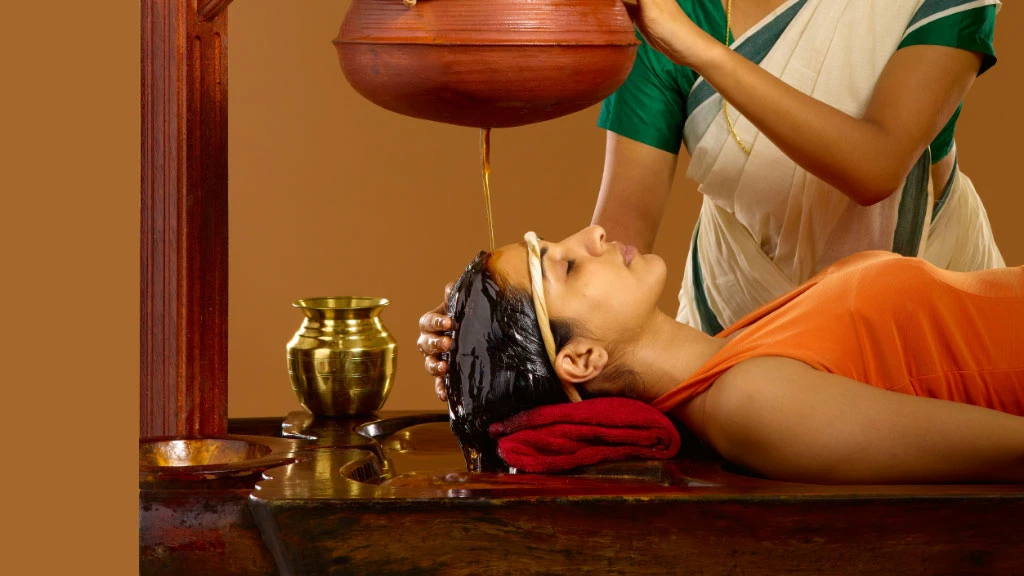
Panchakarma: Panchakarma literally translates to “five actions.” Panchakarma is Ayurveda's premier deep tissue cleansing and purification treatment modality for removing Ama from the system and revitalizing tissues.
Contemporary retreats have assimilated these traditional methods into progressive packages for detox according to individual constitution or prakriti.
Even though comprehensive clinical trials are lacking to a certain extent by size or standardization, certain positive effects of Panchakarma treatments have been well documented:
For example:
A pilot study published in the Journal of Ayurveda and Integrative Medicine showed that Panchakarma reduced stress levels and improved antioxidant status in participants engaged in a 14-day detox program.
Panchakarma and detox packages appeal especially to:
These programs usually include modules on nutrition, sleep, daily habits, and behavioral management, combining education and therapy.
Lifestyle disorders — such as diabetes, hypertension, obesity, stress disorders, and metabolic syndrome — account for over 60% of global morbidity according to WHO reports. This in turn drives a huge need for sustainable, preventive health solutions.
What is probably Ayurveda's biggest strength-its attacking the root cause through lifestyle changes rather than symptomatic suppression-also falls in line with the worldwide drive toward preventive health care.
Preventive types of Ayurveda tourism services/products aim to:
Such integrated programs can include:
Cognitive mindfulness integration** These retreats differ from short-term spas in that they may last 7 to 21 days and may include follow-up support.
Recent research proves:
A literature review published in Frontiers in Public Health in 2022 reviewed various studies in the field and concluded that traditional "lifestyle therapies" such as Ayurveda had significantly reduced major risk factors for "lifestyle disorders.
Modern global health systems increasingly acknowledge the importance of post-acute recovery programs, in particular for:
Immune regulation
In the aging population, the most commonly encountered problems are:
Clinical observation shows that within 4 to 8 weeks, integrated Ayurveda care has brought improvement in joint function and flexibility, with less pain.
One of the significant wellness niches in the global market is women’s wellness. Ayurveda tourism product ideas suitable for women’s wellness are as follows:
These programs integrate:
Evidence-based data collected from women's health programs reveal the efficacy of a more holistic process involving not only therapy and diet, but also counseling and support.
Ayurveda tourism products are becoming increasingly composite with Yoga and Naturopathy, leading to a triadic integrative approach to body and mind resilience.
Yoga, particularly those forms that focus on restorative, therapeutic, and breathing (Pranayama) Yoga, directly correlate with the fundamental foundation of the Ayurvedic philosophy.
Benefits supported by research:
A meta-review carried out in 2023 and published in the journal Frontiers in Psychiatry revealed that a series of yoga interventions resulted in the reduction of levels of stress and improved the quality of life.
Naturopathy focuses on the following:
Hydrotherapy
When it is integrated with Ayurveda, these products create multi-modal healing journeys that are:
Tourism products which combine Ayurveda + Yoga + Naturopathy often include:
Short stays are popular for the following reasons:
Typical components of Short-Term stay include:
Outcomes: Temporary stress relief, mild detoxification, relaxation.
Longer stays drive deeper results, which include:
Research shows that 45+ day interventions combining therapeutic procedures with lifestyle education can produce significant shifts in the following:
In Ayurvedic practice, long-stay programs are considered therapeutic regimens, not vacations, which have a great impact on the body as well as the mind.
Table: Core Ayurveda Tourism Product Matrix
Product Category | Components | Typical Duration | Target Outcome |
Panchakarma Detox | Vamana, Virechana, Basti, Nasya, Oils | 14–42 days | Deep cleanse, metabolic reset |
Rejuvenation (Rasayana) | Herbal tonics, gentle therapies | 21–60 days | Tissue nourishment, longevity |
Preventive Care | Diet, Yoga, Counseling | 7–21 days | Lifestyle balance |
Post-Illness Recovery | Immuno-tonics, therapy sequences | 21–60+ days | Resilience & recovery |
Geriatric Care | Joint/Kizhi therapies | 21–90 days | Mobility, comfort |
Women-Centric | Hormonal protocols | 14–42 days | Endocrine balance |
Integrative Models | Ayurveda +Yoga+ Natu uropathy | 14–60+ days | Synergistic healing |
Short Term | Intro therapies + classes | 3–7 days | Relaxation, education |
Evidence & References
Ayurveda wellness services and tourism products are not mere therapies — they are structured, evidence-aligned, outcome-oriented journeys that integrate:
Whether for detox and Panchakarma, lifestyle disorder care, post-illness recovery, geriatric support, women’s health, or integrative healing frameworks that combine Ayurveda with Yoga and Naturopathy, visitors consume comprehensive, personalized healthcare experiences — often spread over weeks, not days.
In the global context of rising chronic health burdens, and with travelers increasingly seeking measurable outcomes, not just experiences, Ayurveda tourism products position India as a world leadership destination in experiential, preventive, and recovery-focused wellness travel.