
₹19,500
*T&C Apply
 Sightseeing
 Hotel
Hotel Cab
Cab Meal
Meal
₹25,000
*T&C Apply
SightseeingHotelCabMeal
₹21,000
*T&C Apply
SightseeingHotelCabMeal
₹22,000
*T&C Apply
SightseeingHotelCabMeal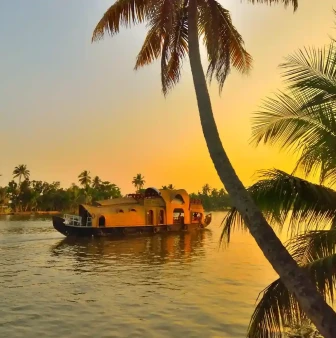
₹25,500
*T&C Apply
SightseeingHotelCabMeal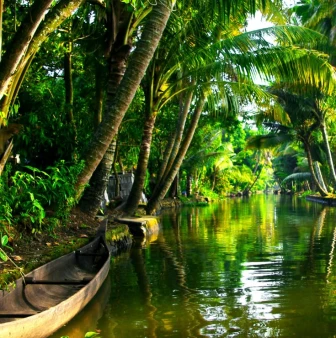
₹29,000
*T&C Apply
SightseeingHotelCabMeal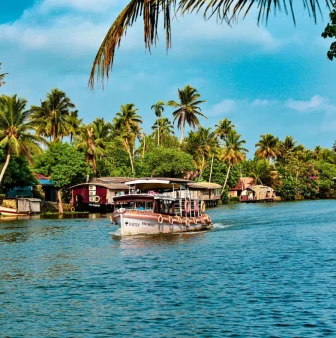
₹13,500
*T&C Apply
SightseeingHotelCabMeal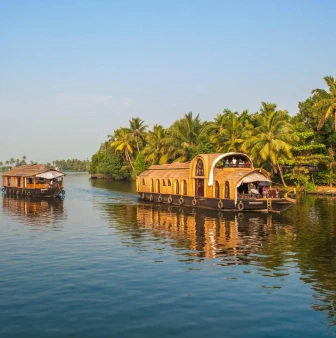
₹24,000
*T&C Apply
SightseeingHotelCabMeal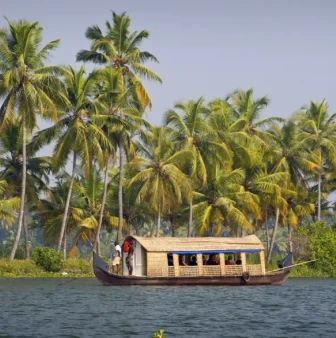
₹27,000
*T&C Apply
SightseeingHotelCabMealThis isn’t a place meant for just one type of traveler. Some people simply float on a boat all day and gaze at the sky. Others seek out village life, where everything moves at a slower pace and feels a bit more old-fashioned. It doesn’t matter why you come — it just fits. And you don’t need a plan for every hour. You’ll ultimately appreciate the things that simply happen. Like the air after rain. Like the quiet in the afternoon. Like how time feels gentle here.
I recall sitting in a canoe once, during the early morning hours. Everything was quiet, and the water looked like gold. A fisherman passed by. We didn’t speak, just a nod. But that stayed with me. I don’t know why. Maybe it’s because it was so normal. Perhaps that’s what causes it to resonate. Kerala doesn’t try hard.
There’s a lot to take in when you visit Kerala—so much that going in without a plan can end up feeling more stressful than relaxing. That’s where a thoughtfully built tour comes in. Not the kind with a rushed itinerary and a guide holding a flag, but one that quietly shows you things you wouldn’t stumble upon yourself. The right Kerala tour package doesn’t just tick off places. It lets you:
At My Tour Plans, we don’t sell pre-packed templates. Everyone travels differently. Some come with family, others with their partner. Some come alone, just to breathe and wander. Whoever you are, we take the time to craft a Kerala trip that matches your rhythm. We care less about ticking boxes and more about how your time here feels.
Munnar – Misty Hills & Tea Dreams
The curves of Munnar are slow and kind, like they’ve been designed to make you pause. Tea estates stretch endlessly, trimmed like velvet carpets. Munnar isn’t loud—it whispers. Sip tea in Lockhart Valley. Visit Kolukkumalai, the world’s highest tea plantation. And if you catch the sunrise at Top Station, you’ll forget the world even exists.
Alleppey – Backwater Calm You Can Float In
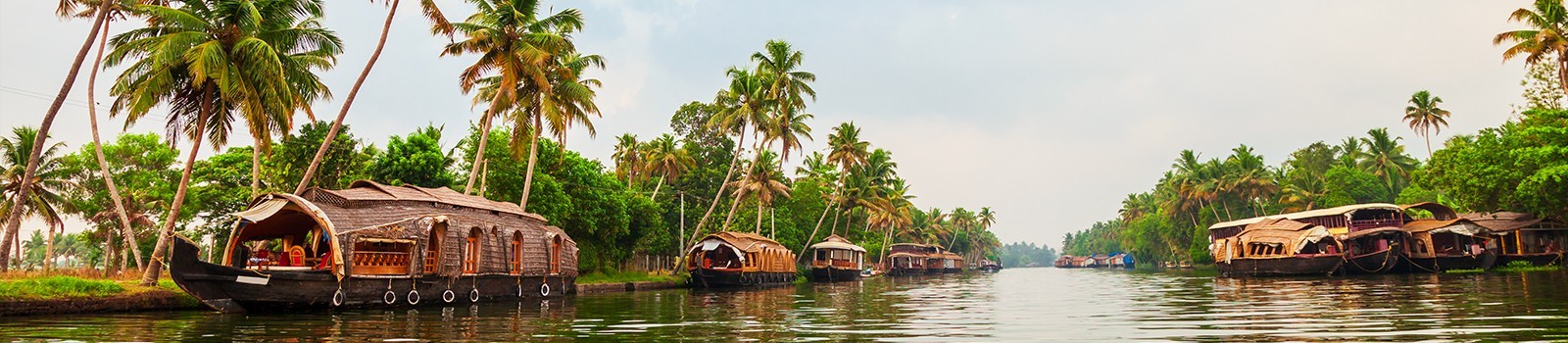
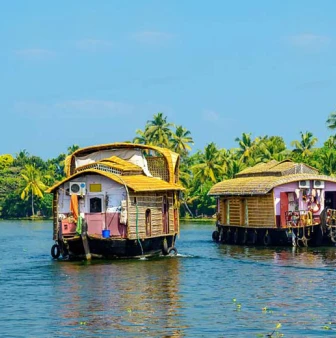
Alleppey is a place where time seems to stand still. As you cruise in a traditional houseboat past coconut groves and narrow canals, even clocks seem to pause. You don’t come here to do things. You come to let go of doing.
Fort Kochi – Art, Stories & Sea Breeze
Where else can you see Portuguese churches, Dutch houses, Chinese fishing nets, and Jewish synagogues—within a few blocks? Fort Kochi doesn’t show off—it shares. Walk the lanes, visit art cafés, talk to mural artists, and watch Kathakali in an old theatre. It’s a place of layers.
Thekkady – Wild, Real, Unfiltered
Inside Periyar Wildlife Sanctuary, the forest lives by its own rules. Elephants move like shadows. Bamboo rafts cut silently through the morning mist. And deep in the trees, pepper vines curl upward like secrets. Go for a jungle walk, but leave your voice behind.
Kumarakom – Where the Sky Meets Water
Less busy than Alleppey but just as beautiful, Kumarakom offers quiet backwater serenity with a backdrop of bird calls from the nearby sanctuary. It’s the kind of place you reach and immediately lower your voice, like the water doesn’t want to be disturbed.
Varkala – Where Cliffs Touch the Ocean
This isn’t your regular beach town. Red laterite cliffs rise dramatically above crashing Arabian Sea waves. Cafés line the edge like perches for dreams. You’ll find yoga at sunrise, seafood grills by dusk, and in between—a lightness you didn’t know you were missing.
Wayanad – Green Beyond Green
Wayanad isn’t just a hill station—it’s an ecosystem. Waterfalls tumble from nowhere. Caves carry stories older than memory. And treks here aren’t for the ‘gram—they’re for the silence that follows every footstep. Stay in a mud hut, eat jackfruit curry, and watch the rain roll in.
Kovalam – For Easy Sunsets & Softer Mornings
Kovalam’s beaches are friendly. Not wild. Not dramatic. Just inviting. The lighthouse, the gentle waves, the kind of surf—everything seems built for a day that wants to last longer.
Kerala doesn’t ask much of you. It doesn’t shout for your attention. It just waits for you to slow down enough to notice. It’s not about ticking things off. It’s about sitting still on a wooden canoe as the sun disappears behind a line of coconut palms. Or standing barefoot on temple steps, with incense smoke curling through the air. That’s where the real magic is—between the brochures.
These aren’t secrets. Locals know them. They just don’t market them. You’ll need to ask around, take smaller roads, and sometimes trust your gut. But if you go, they’ll stay with you long after you return.
Kerala's cuisine isn’t just about spice. It’s about balance. Earthiness. Warmth. Every region has its own identity on a banana leaf.
Do you want to know the ways to reach Kerala by air, road, train, and other options? We have the answer to your question, ‘How to Reach Kerala?’ The table below outlines all the ways to reach Kerala by different means of transport.
How to Reach Kerala | |||
Mode | Details | Best Entry Points | Ideal For Visiting |
By Air | Well-connected international & domestic airports | Cochin Trivandrum Calicut Kannur | Munnar Alleppey Thekkady Varkala Bekal Wayanad |
By Train | Extensive rail network across the state, scenic, and budget-friendly | Ernakulam Jn Trivandrum Central Kozhikode Kottayam Alleppey | All major destinations from north to south |
By Road | Accessible from Tamil Nadu & Karnataka via national highways | Munnar Wayanad Thekkady | Flexible road trips, custom routes, offbeat access |
By Bus | Government and private buses operate daily from neighboring states | KSRTC terminals in Trivandrum Kochi Kozhikode Kannur | Budget travel between cities & entry from nearby states |
Kerala doesn’t shout. It whispers. In this way, the fog rolls across the Wayanad hills. In the hush of a canoe at dusk. In the look an old woman gives you as she fries banana chips roadside. A Kerala tour package isn’t just about what you see—it’s about how you slow down enough to feel the place speak back. You won’t just leave with souvenirs. You’ll leave with stories in your skin. And you’ll want to come back—not to see more, but to feel it again.
What should travellers understand about Kerala’s travel pace before booking a package?
Traveling in Kerala is slower than in most mainland places due to narrow roads, forest stretches, town traffic, hilly terrain, etc. These things take time, even short distances. Packages that appear to be taped to paper readily seem rushed on the ground. Knowing the daily drive hours can help you set more realistic expectations and lower fatigue.
How does Kerala’s geography affect daily sightseeing in tour packages?
The state of Kerala extends latitudinally along the coast. This arrangement impedes direct movement between points. The winding roads go up and down the hill stations, backwaters, and cities. A logical sequence must be followed by the packages to avoid doubling back and wasting road time.
What planning mistakes commonly cause Kerala itineraries to feel rushed?
Many hasty itineraries attempt to fit in hills, backwaters, wildlife zones, and cities over too few days. They frequently experience long drives with few pauses. Another error is underestimating the transfer time in inter-district works due to the rainy season or peak season.
How does arrival through Kochi influence most Kerala tour routes?
Kochi acts as the main entry point due to airport connectivity. Most packages start or end here. This shapes routes toward Munnar, Thekkady, and Alleppey in a loop. Entry through Kochi reduces internal travel distance compared to starting from northern or southern districts.
What internal travel rules should travellers know between Kerala districts?
Inter-district travel in Kerala follows strict time limits in forest zones and hill roads. Night driving restrictions apply in certain stretches. Traffic congestion during school hours and festivals slows movement. These factors affect sightseeing order and require buffer time within packages.
How does including a houseboat stay change the structure of a Kerala tour?
A houseboat stay fixes one full day of the itinerary because check-in and cruising follow set timings. Sightseeing pauses during this period. Packages must adjust remaining days accordingly. Adding houseboats reduces flexibility but provides a focused backwater experience.
What exactly should a Kerala backwater package include?
A proper backwater package includes overnight accommodation, meals during the stay, fixed cruising hours, and staff on board.
Key inclusions usually involve
How do private and shared houseboats differ in Kerala packages?
Private houseboats are for one group only, while shared houseboats take other bookings too. Differences in Privacy, Meal Timing, and Space. The private boat is costly but provides better control, comfort, and a lot of convenience. Even though the shared boat is not very expensive, it does involve some loss of flexibility during your stay.
How does the monsoon season affect Kerala tour planning and pricing?
Monsoon reduces sightseeing hours due to rain and road conditions. Hill views may stay foggy. However, prices drop across hotels and houseboats. Ayurveda treatments continue during this period. Packages during the monsoon suit travellers prioritising budget over outdoor activity coverage.
When is it better to avoid backwater stays in Kerala?
Backwater stays may be avoided during heavy monsoon weeks when rainfall remains continuous. Water movement becomes limited, and visibility drops. Although boats operate, the experience becomes restricted. Travellers focused on outdoor viewing may prefer drier months for backwaters.
How much budget is required for a comfortable mid-range Kerala tour?
A mid-range Kerala tour budget covers clean hotels, private transport, and basic sightseeing. Costs rise with houseboats and premium hill resorts. Flight tickets usually remain separate. Budget expectations should align with the travel season and hotel category rather than trip length alone.
What hidden costs usually increase the final Kerala trip expense?
The hidden charge does not include optional activities, tips, shopping, or meal expenses. Upgrading your houseboat category or changing room type may be chargeable. It is always wiser to check inclusions first to make sure that you won’t assume everything is involved.
What can realistically be covered in a 2 nights 3 days Kerala package?
A Kerala package of 2 nights and 3 days will include only one area, either Munnar or Alleppey. To cover both hill and backwater is not feasible. Travel time consumes a large part of the package, hence limiting the sightseeing trips. The time is sufficient for a break, but not for taking a trip to Kerala.
How does a 5 nights 6 days Kerala itinerary improve travel comfort?
A 5 nights 6 days plan allows proper spacing between destinations. Drive hours are reduced, and sightseeing becomes manageable. This duration fits hills, backwaters, and a city without rushing. Families and first-time visitors find this structure more balanced.
What destinations fit best within a 7-day Kerala family tour?
A 7-day family tour can cover hills, backwaters, and a city comfortably.
Commonly suitable destinations include
How do long-duration Kerala tours manage travel fatigue?
Long tours reduce daily drive hours by spreading destinations logically. Rest days or light sightseeing get added. Hotels remain centrally located to cut travel time. This approach suits senior travellers and families seeking slower movement.
How are Kerala honeymoon packages structured differently from regular tours?
Honeymoon packages limit destinations and focus on privacy. Premium hotels and scenic locations replace packed sightseeing. Drive hours stay shorter. Costs increase due to hotel category, not itinerary length. Monsoon honeymoons reduce cost but limit outdoor plans.
What makes Kerala suitable for Ayurveda-focused tour packages?
Kerala has licensed Ayurveda centres operating under state regulations. Treatments follow fixed durations and medical screening. Packages focusing on Ayurveda reduce sightseeing and allocate time for therapy sessions, diet control, and rest instead of daily travel.
How do family-focused Kerala packages handle long road journeys?
Family packages prioritise fewer destinations and comfortable hotels. Drive hours remain shorter. Breaks get built into transfers. Wildlife and hill routes get planned during daylight hours only to reduce strain on children and elders.
Are Kerala tour packages suitable for senior citizens?
Yes, Kerala suits senior citizens when itineraries avoid long drives and steep terrain. Hotels with easy access and fewer location changes improve comfort. Backwater stays remain suitable when mobility assistance is arranged in advance.
What seasonal factors affect couple-focused Kerala travel plans?
Going away as a couple depends on the weather and privacy. The prices and crowds are high during peak season. The monsoon is a dry low cost silent time, but no fun outside. The climate at the hill station is cool, while at sea it is humid throughout the year.
How does hotel location influence Kerala package pricing?
Hotels closer to town centres or scenic zones cost more due to demand. Remote locations reduce room rates but increase daily travel time. Package pricing reflects this balance between location convenience and accommodation cost.
How should travellers compare Kerala tour packages from different providers?
Travellers should compare route flow, hotel category, transport type, and included days. Price alone does not reflect value. Identical durations can differ widely in comfort based on hotel placement and daily driving structure.
Where do most travellers go wrong while booking Kerala packages online?
Many travellers assume all meals, tickets, and activities are included. Others ignore daily drive time. Misreading houseboat rules confuses. Clear verification of inclusions prevents disappointment during travel.
How do travellers choose the right Kerala tour package for their travel goal?
Tourists must figure out first if the priority is lounging, exploring, etc. The wrapping must reflect that one aim. Too many targets lead to dissatisfaction. A focused itinerary always suits Kerala’s travel atmosphere better.


