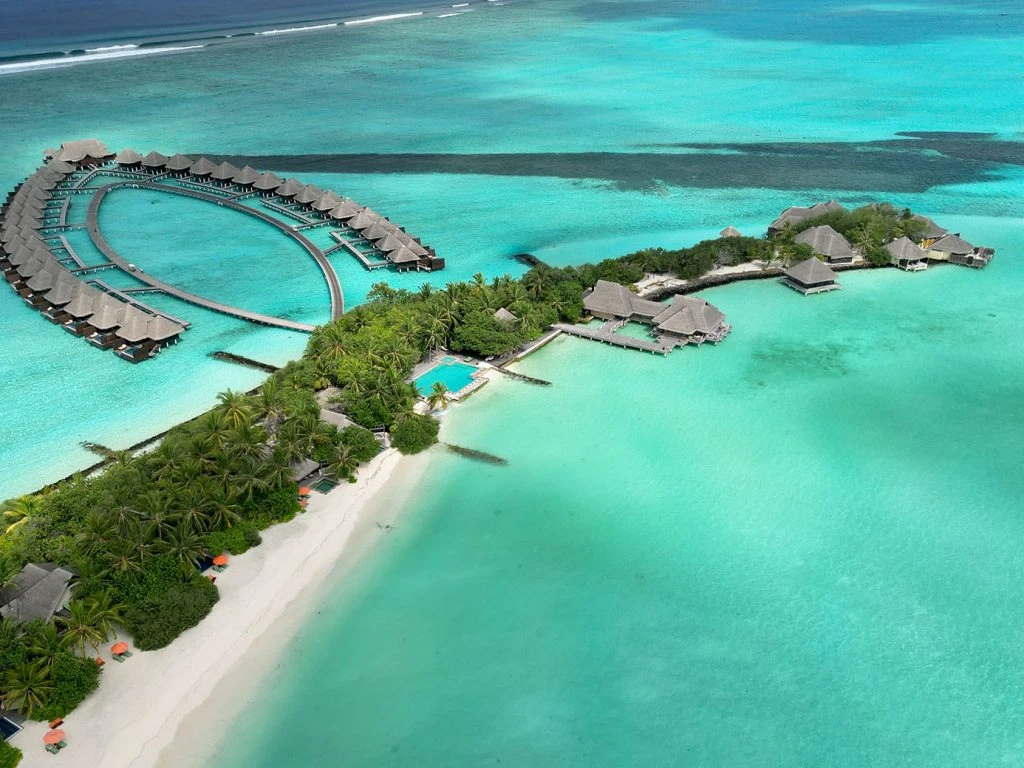
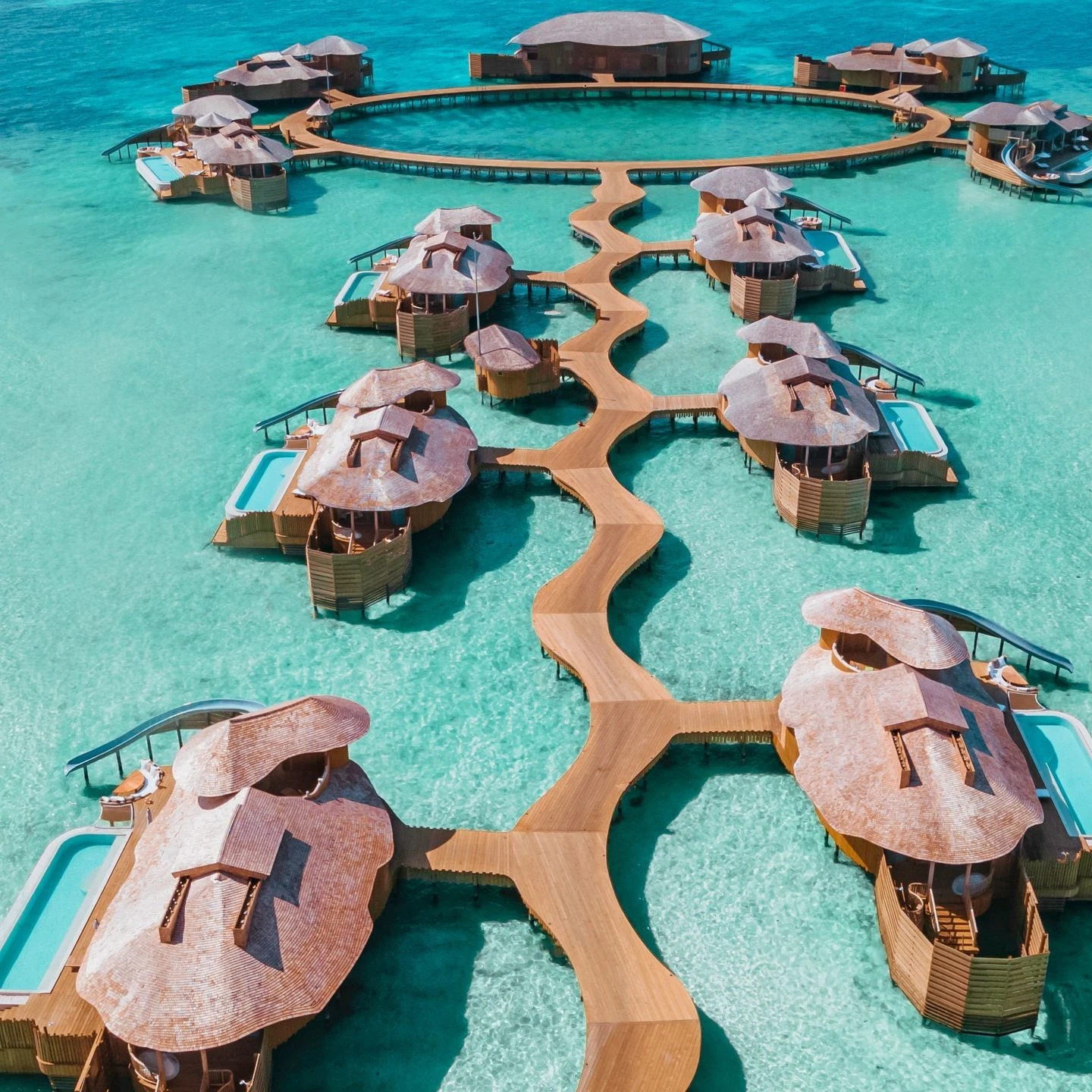
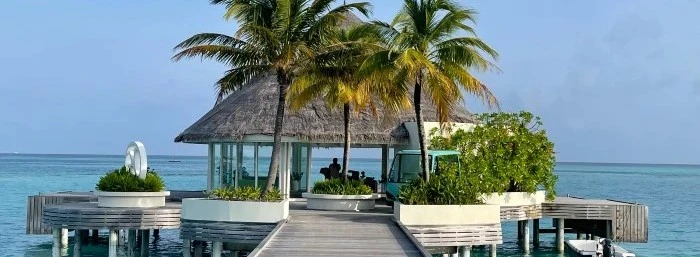
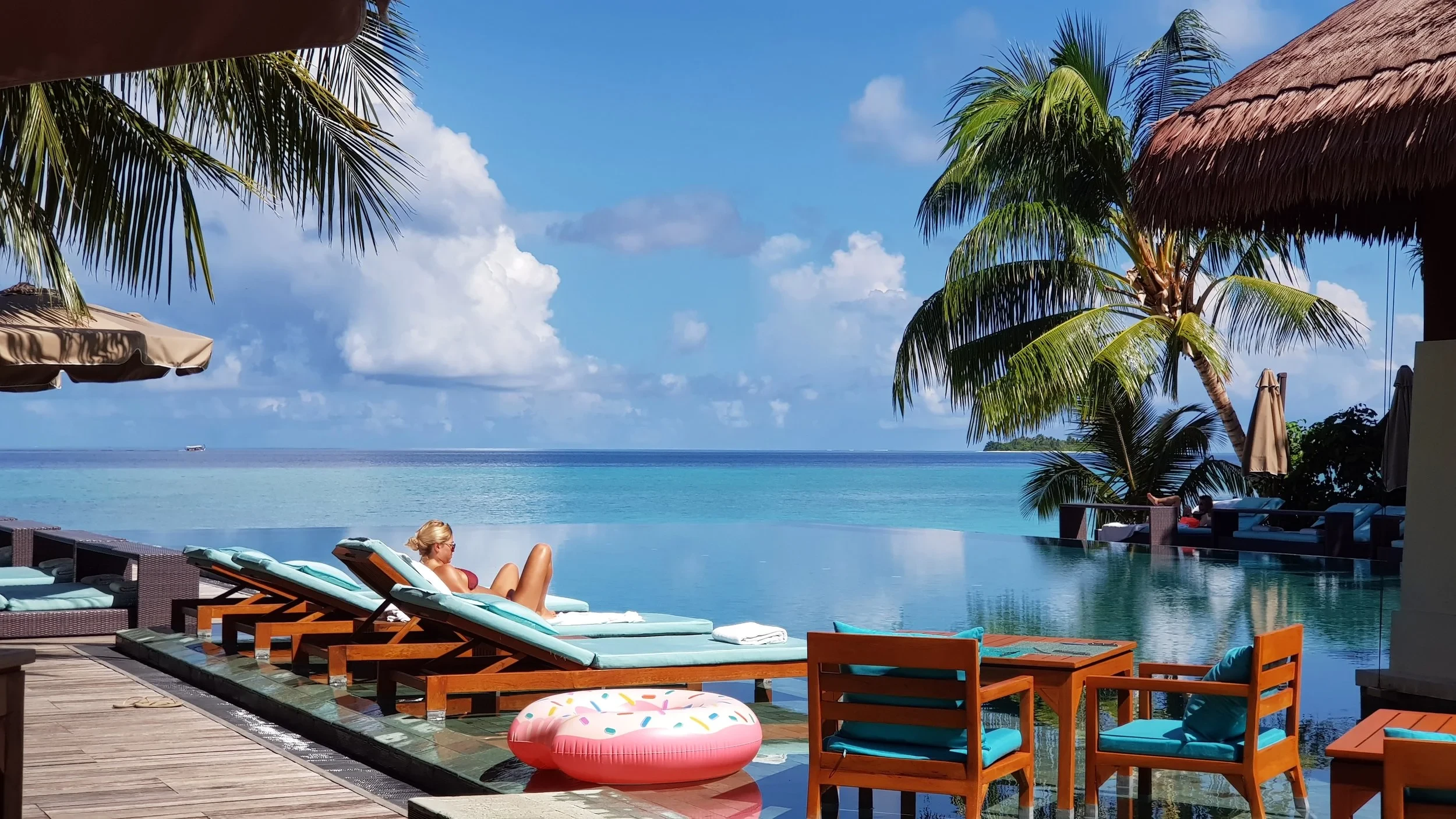
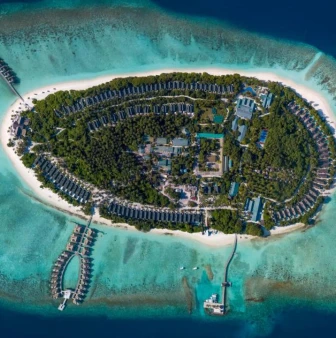
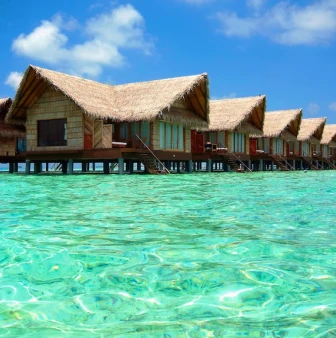
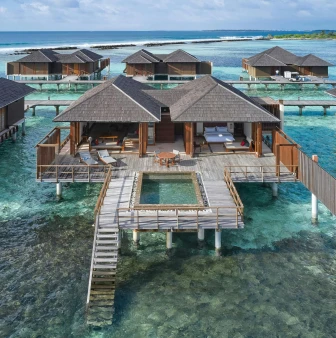
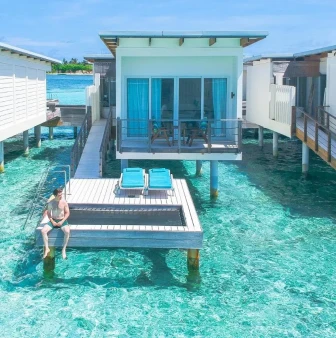
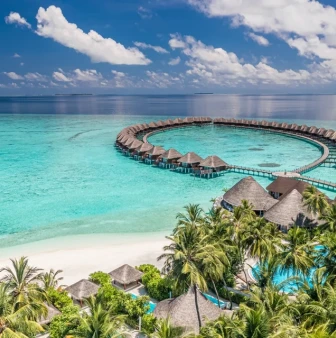
Maldives Tour Packages from India are planned around one core idea: clarity, accuracy, and suitability for different traveller profiles. The Maldives is not a single destination but a collection of more than 1,200 coral islands spread across 26 natural atolls, where tourism operates on the globally unique one island one resort concept. This structure directly impacts pricing, transfers, privacy levels, and overall experience.
At My Tour Plans, Maldives itineraries are designed using verified resort data, real transfer timings, and realistic cost structures rather than generic inclusions. Each package accounts for the island category, distance from Malé, speedboat or seaplane dependency, and resort operating model. This avoids mismatched expectations, especially for first-time travellers.
Our Maldives tour packages from Delhi and other Indian cities are structured to suit Indian travel patterns, flight durations, visa-on-arrival norms, and budget sensitivity. Packages range from local island stays like Maafushi to private resort islands offering overwater and beach villas.
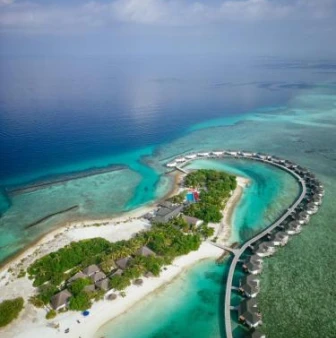
The Maldives is also the only country in the world formed entirely of natural coral atolls, making snorkelling possible directly from house reefs without boat transfers. This geographical uniqueness is a major reason why Maldives tour packages for couples, families, and honeymooners are planned differently compared to other beach destinations.
Every Maldives package listed by My Tour Plans is built after evaluating resort credibility, lagoon quality, house reef access, and traveller suitability, ensuring the package matches its intended travel purpose.
Why the Maldives is Geographically & Experientially Unique
The Maldives is not just another island destination. It is the only country in the world formed entirely from natural coral atolls, spread across 26 atolls and over 1,190 coral islands in the Indian Ocean. Unlike volcanic islands found elsewhere, every island in the Maldives is created by coral formations, making the Maldives' Tourism geologically rare and scientifically significant.
Another defining feature is that the Maldives is the world’s lowest-lying nation, with an average elevation of just 1.5 metres above sea level. There are no rivers, no hills, no mountains, and no freshwater lakes anywhere in the country. Daily life, infrastructure, transport, and even religious routines are shaped by the ocean, which is why the Maldives is often referred to as an ocean-dependent nation.
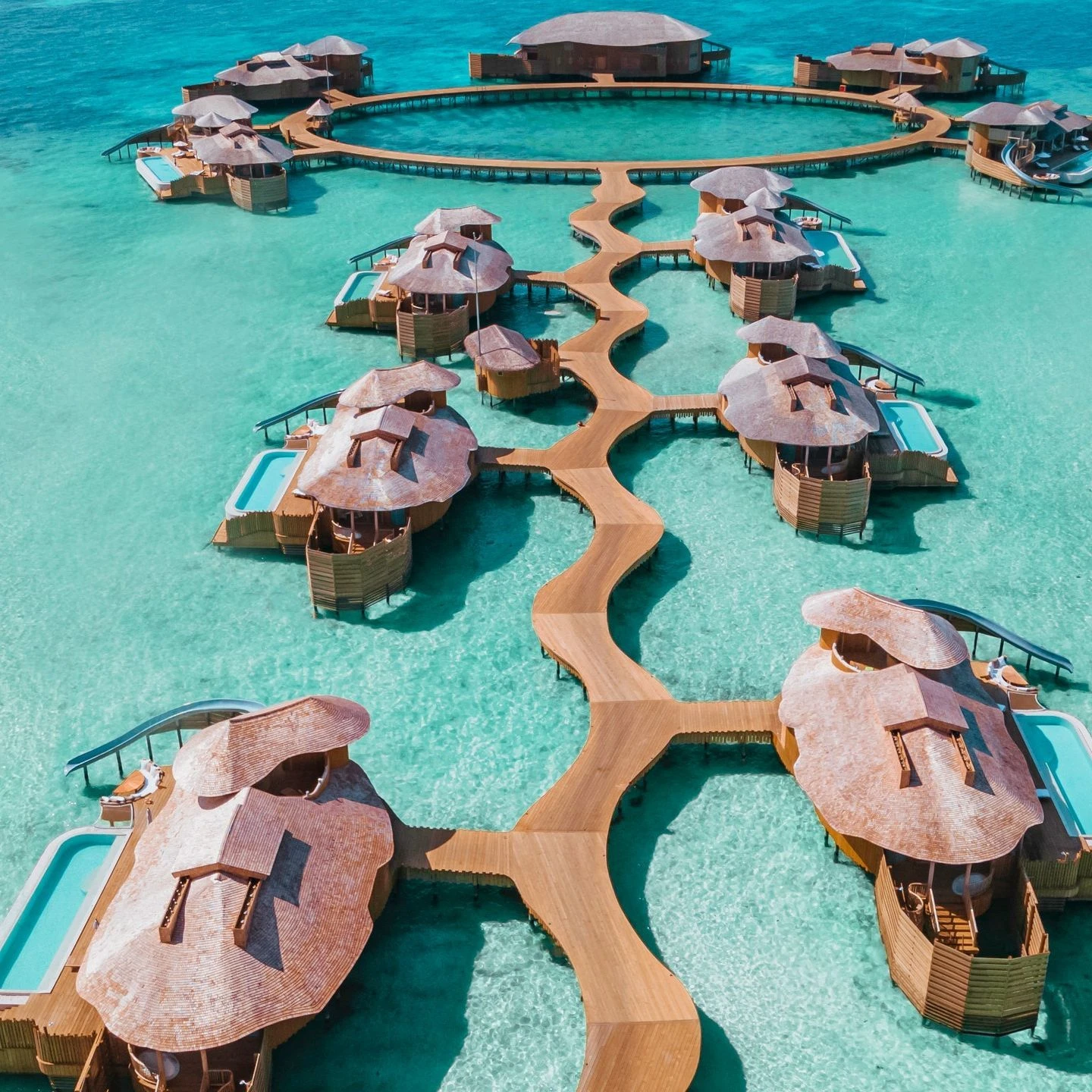
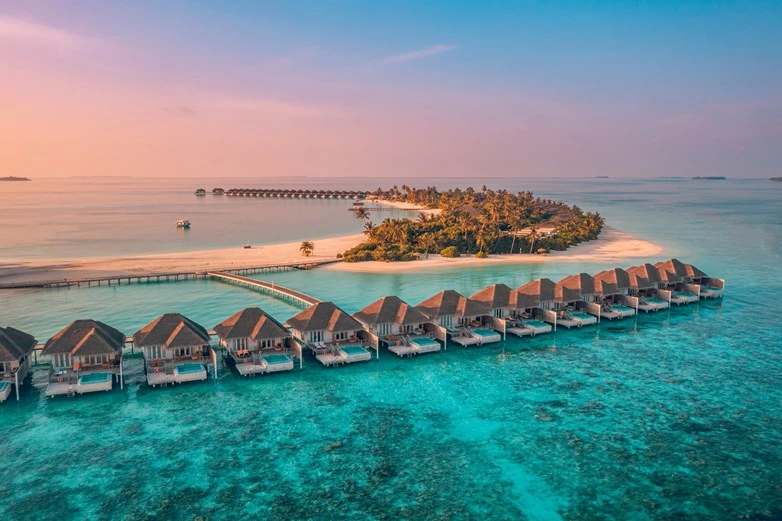
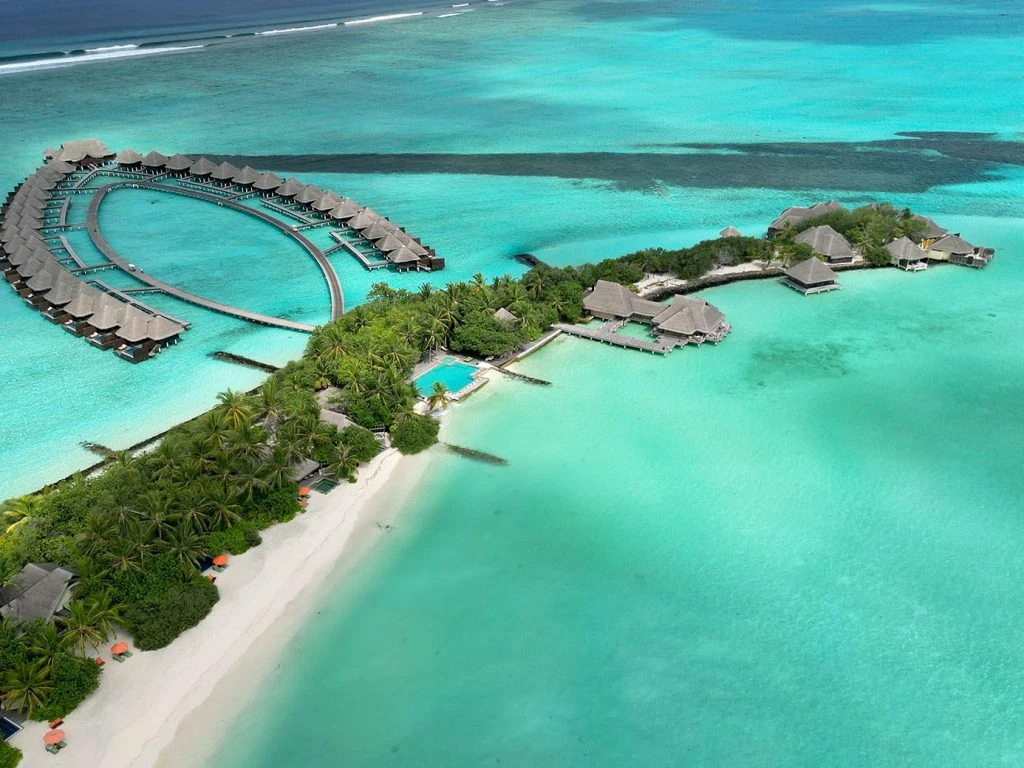
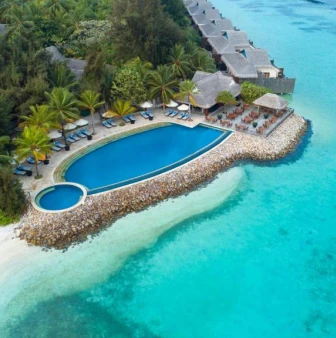
From a travel perspective, the Maldives operates on a one-island-one-resort concept, where an entire island is dedicated to a single resort. This offers unmatched privacy for Maldives tour packages, ideal for couples, families, and honeymoon travelers. Many islands also feature house reefs that are directly accessible from the shore, allowing snorkelling without the need for boat transfers.
Key Facts That Make the Maldives Unique
Feature
Why It Matters
Coral Atoll Nation
No volcanic landmass anywhere
Floating & Climate-Resilient Islands
Global pioneer in climate adaptation
Deep Ocean Drop-offs
Rich marine life near shore
Water-Based Transport Only
No road networks between islands
These factors make Maldives Tour Packages from India fundamentally different from any other tropical destination.
Cost of a Maldives Tour Package from India
The cost of Maldives Tour Packages from India depends on travel duration, island type, accommodation category, and travel style, such as couples, families, or solo travellers. The Maldives offers a wide price range, from budget guesthouse stays on local islands to luxury private-island resorts with overwater villas.
For Indian travellers, the biggest cost components are international flights, resort or island transfers, accommodation, meals, and activities. Local island packages are the most affordable, while private resort islands fall into the premium and luxury segments.
Average Maldives Trip Cost from India
Travel Type
Duration
Approx Cost Per Person
Maldives Tour Package 3 Days 2 Nights
Short stay
₹30,000 – ₹45,000
Maldives tour packages for couples
4–5 days
₹45,000 – ₹85,000
Maldives tour packages for family
5–6 days
₹55,000 – ₹95,000
Maldives honeymoon package for 7 days
6–7 days
₹90,000 – ₹1,50,000
Maldives tour packages for couples, including flights
4–6 days
₹75,000 – ₹1,30,000
Local island stays such as Maafushi reduce costs significantly, making them ideal for Maldives tour packages from Delhi and other Indian cities. Luxury resort packages increase pricing due to seaplane transfers, private beaches, and premium dining.
At My Tour Plans, pricing is structured transparently, allowing travellers to choose between budget, standard, and luxury Maldives tour packages based on real travel needs, not generic bundles.
How to Visit the Maldives from India
Travelling to the Maldives from India is simple and well-organized due to direct flight connectivity, visa-on-arrival access, and streamlined arrival procedures. Most travellers enter the country through Velana International Airport in Malé, which serves as the main international gateway.
Flights from India to the Maldives
Several Indian cities have direct or one-stop flight connections to Malé. Direct flights are preferred for shorter trips, while connecting flights offer flexibility and sometimes lower fares for longer stays.
Direct flights reduce overall travel time
Connecting flights are useful during peak seasons
Suitable for both short breaks and extended vacations
Major Indian Cities with Maldives Flight Access
From
Flight Type
Travel Time
Ideal For
Delhi
Direct and connecting
4.5 to 6 hours
Longer holidays
Mumbai
Direct
2.5 to 3 hours
Couples and luxury stays
Bengaluru
Direct
2.5 to 3 hours
Short international trips
Chennai
Direct
2 to 2.5 hours
Families and budget travel
Kochi
Direct
1.5 to 2 hours
Quick getaways
Hyderabad
Connecting
4 to 6 hours
Group travel
Kolkata
Connecting
5 to 7 hours
Extended trips
Visa Requirements for Indian Travelers
Indian passport holders are eligible for a free visa on arrival, valid for up to 30 days. No advance visa application is required.
Passport validity of at least six months
Confirmed accommodation booking
Return or onward flight ticket
Proof of sufficient funds if requested
Transfers from Malé to Resort Islands
After arrival in Malé, onward travel to resort islands is arranged in advance.
Speedboat transfers to nearby islands
Seaplane transfers for distant atolls
Domestic flights combined with boat transfers for remote locations
Transfer type depends entirely on the resort’s location and distance from Malé.
Entry Rules and Local Restrictions
Alcohol consumption is permitted only on resort islands
Local islands follow religious and cultural regulations
Drone usage requires prior government permission
Customs checks are strict for prohibited items
Best Time to Visit the Maldives
The Maldives has a tropical monsoon climate, meaning warm temperatures remain consistent throughout the year, usually between 25°C and 31°C. Seasonal planning depends mainly on rainfall patterns, sea conditions, and visibility rather than temperature changes. This makes the destination suitable for travel almost year-round, with clear differences in experience depending on the season.
The dry season from December to April is considered the most reliable period for travel. During these months, rainfall is low, seas remain calm, and underwater visibility is at its peak. This period is ideal for island stays, lagoon activities, and uninterrupted beach time, but it also comes with higher demand and pricing.
The monsoon season from May to October brings occasional heavy showers and stronger winds, especially between June and September. However, rain usually occurs in short spells rather than all-day downpours. This season attracts travellers looking for fewer crowds, better availability, and marine life activity influenced by plankton movement.
Travel Intent
Best Months
Practical Reason
Honeymoon & couples
Feb – Apr
Stable seas, high privacy, peak resort service quality
Budget & local islands
May – Jun
Lower room rates, ferries running normally
Snorkelling & clear lagoons
Jan – Mar
Calm surface water near house reefs
Diving & big marine life
Aug – Sep
Plankton attracts mantas & whale sharks
Water sports (wind-based)
Jun – Aug
Stronger winds support windsurfing
Family travel
Dec – Jan
Predictable transfers & holiday infrastructure
Top Places to Visit in the Maldives
Male: As the capital city, Male reveals the lifestyle of Maldivian people living outside the luxury resorts. Aside from the Friday Mosque, Mal is also popular for its fish markets and narrow urban streets that are bundled up in the city. Almost all international flights land in Malé; hence, it is a convenient place from where travelers can initiate their tours.
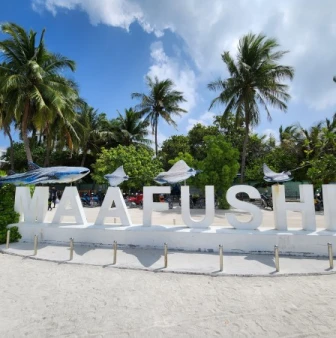
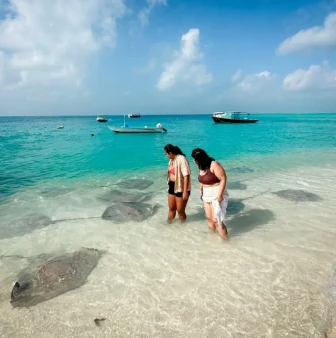
Maafushi Island: Maafushi Island is a popular local island where you will find affordable accommodation and well-planned trips. Tourists are allowed to experience a variety of activities, such as snorkelling, sandbank visits, and interacting with locals, while at the same time separating the zones for tourists from the rest of the community.
Hulhumal: Situated close to the international airport, Hulhumal is a created island that has a combination of residential and beach areas. Most people use it as a place for their short stays, nights during transit, and to have access to the beach near Malé without being in a resort.
Banana Reef: Among the very first dive sites to be recognized in the Maldives is Banana Reef. The reason why it is a favorite place for the most skilled divers is the reef and marine life diversity that attracts those who want to study the reef and pelagic species.
Alimatha Island: Alimatha Island is an association that regularly provides various modes of transportation for excursions and shallow reef systems. It is frequently included in organized diving itineraries and offers consistent marine sightings in controlled conditions.
Biyadhoo Island: The most prominent feature of Biyadhoo Island is its thick house reef, which is located extremely near the shore. The reef is perfect for snorkelling straight off the beach and is usually chosen by travellers who want to go deep into the underwater world rather than spending their time in luxury facilities.
Veligandu Island: Veligandu Island is famous for its beach that stretches far with sandbanks and the view of the open lagoon. Due to the natural setup of the island, one can see both the sunrises and sunsets very clearly; therefore, it is mainly chosen by those who want to spend their time leisurely on the island.
HP Reef: HP Reef is a defensible marine area celebrated for the densest corals and the most diverse fish species. Strict rules are followed while diving here; thus, the reef is well kept, and the number of visitors is controlled, which is great for the underwater environment and experience.
Utheemu Island: Utheemu Island is still remembered as the home of origin of Sultan Mohamed Thakurufaanu, and as such, it is of historical importance. The island provides different aspects of culture, old buildings, and the way the traditional island governance worked.
COMO Cocoa Island Area: The sea around COMO Cocoa Island is characterised by lagoons that are calm and have easy access to the reef. This place is known for a controlled marine environment, holidays at the spa, and low-density developments.
Things to Do in the Maldives Based on Travel Style
Activities Overview
Activities in the Maldives are shaped by geography, water conditions, and island isolation. Experiences are not concentrated in one city but spread across inhabited islands, resort islands, and reef zones. This allows different traveller types to plan their time without overlap or crowd pressure. Most activities remain low-noise, sea-based, and time-bound, which keeps daily plans predictable and easy to manage. This structure suits travellers booking Maldives Tour Packages from India with limited days.
Romantic & Couple Experiences
Couple-focused experiences in the Maldives are designed around privacy and controlled settings rather than packed schedules. Even simple activities are spaced to allow long gaps of rest, which suits honeymoon travellers. This approach is common in Maldives tour packages for couples, where experiences are intentionally slow.
Romantic activities by location:
Candlelight dinner at private beach zones in Maafushi
Sunset sandbank dinner near Hulhumale lagoon edges
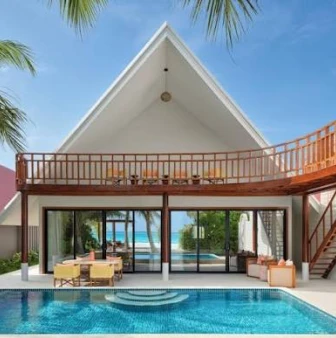
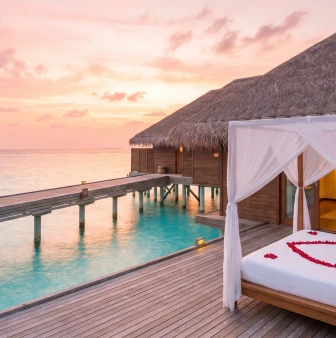
Floating breakfast in overwater villas at North Malé Atoll
Lagoon-side spa sessions in Biyadhoo Island
These activities are often preferred in longer plans, such as a Maldives honeymoon package for 7 days, where pacing matters more than volume.
Family & Group Activities
Family and group travellers usually focus on safe, shared experiences that do not require advanced swimming skills. The Maldives supports this well through shallow lagoons and guided formats, making Maldives tour packages for families easier to plan.
Group-friendly activities by location:
Glass-bottom boating in the Malé reef zones
Snorkelling sessions in Maafushi house reefs
Dolphin watching near South Malé Atoll
Cultural island walks in locally inhabited islands
Adventure & Water-Based Activities
Adventure activities are structured around calm sea windows and reef protection rules. Most water sports operate in fixed zones and fixed durations, keeping schedules controlled.
Popular adventure activities by location:
Wakeboarding in Hulhumale lagoon
Parasailing near North Malé Atoll
Windsurfing in the Maafushi coastal stretch
Scuba diving at Banana Reef
Activity Suitability
Traveller Type
Suitable Activity Style
Common Locations
Couples
Private dining and spa experiences
Maafushi, North Malé Atoll
Families
Guided water and sightseeing activities
Malé, Hulhumale
Groups
Mixed adventure and leisure formats
South Malé Atoll
Solo
Short water sports and reef exploration
Maafushi
Local Cuisine of the Maldives You Must Try
Local cuisines in the Maldives are not about piling up a variety of foods on one plate but rather about keeping a balanced diet throughout the day. Breakfasts are usually light, lunches are made to nourish, and dinners mostly revolve around fish. Besides, eating local food is a great way to learn about island life, understand the fishing culture, and get familiar with the culinary traditions of the households that are still alive outside the resort scene.
Mas Huni in Malé, which is a breakfast meal, is a good example of how the daily meals are built around tuna and coconut.
Garudhiya in the local islands is central because it shows the diet of traditional fishermen.
Mas Riha on any of the inhabited islands is prepared with very few spices, which is a subtle way of highlighting the flavor of the dish.
Rihaakuru in island kitchens is significant as a fish paste made from the leftover portions of the fish that are then preserved.
Fihunu Mas near the beach gets most of its fans because of the simple charcoal method of cooking, which brings out the flavor of the fish.
Bosun in Island Snacks is a good example of how dried tuna is utilized.
Bis Keemiya in local cafes is a good example of how different cultures have influenced the locals and how they have adapted to that.
Kulhi Boakibaa at community gatherings is a perfect reflection of the communal eating traditions.
Saagu Bondibaiy during festivals is an example of how desserts have been kept simple and are part of the ceremonies.
Shopping & Souvenirs in the Maldives
Shopping in the Maldives is not the usual way we see large markets or branded retail streets. It's quite limited, local, and very much a part of island life. Most of the real shopping you can do is on the inhabited islands and in Male, where the everyday objects tell more of the people's way of living than what tourists might expect to find. Thus, buying souvenirs becomes slower, quieter, and more personal.
Native Maldivian souvenirs were initially practical. The items are influenced by the fishing culture, the use of the coconut, and small island crafts. A lot of the products are made by hand in small quantities, and that is the reason why you hardly ever come across pieces that are the same. Decorating items are generally available for the resort islands; however, the real cultural value comes from the local shops.
Some commonly purchased souvenirs, and the reasons why they matter:
Male's hand, painted lacquer boxes are a reflection of the traditional color layering techniques.
Coconut shell bowls and utensils are good examples of daily household usage.
Thundu Kunaa mats are the representational regional weaving styles of the southern atolls.
Miniature dhoni boat models are symbols of fishing, based on the livelihoods.
Dried tuna products are a reflection of staple island food preservation methods.
Spices mixed locally have a direct connection to Maldivian cooking habits.
Jewellery made from shells is a reflection of the natural materials of the coast.
Items made of hand-woven palm leaf are connected with domestic island use.
Traditional wooden carvings are among the few pieces that show skilled craftsmanship.
Incense oils made locally are a reflection of home-based practices.
Practical Travel Tips for Maldives Visitors
Travel planning in the Maldives requires a different mindset because movement depends on water and air rather than roads. Distances may look short on a map, but transfers are time-bound and weather-dependent. Understanding this early avoids unnecessary stress during the trip.
Packing light is practical, but behaviour matters more than clothing quantity. Resorts operate with international norms, while inhabited islands follow local customs. This difference affects dress code, alcohol access, and public behaviour. Planning around these realities helps maintain comfort throughout the stay.
Essential travel considerations
Carry limited cash for local island expenses.
Respect modest clothing norms on inhabited islands.
Keep buffer time between transfers.
Avoid tight daily activity scheduling.
Carry printed and digital travel documents.
Check daylight restrictions for seaplanes.
Use reef-safe sunscreen only.
Avoid touching coral or marine animals.
For couples comparing the Maldives trip cost from India for a couple, careful transfer planning helps control overall expenses without reducing experience quality.
Suggested Itineraries Based on Real Package Structures
Maldives itineraries are designed around pacing rather than sightseeing volume. Staying on one island allows deeper relaxation, while longer trips benefit from combining local islands and resort stays. Package structure matters because daily movement adds cost and fatigue.
My Tour Plans structures itineraries around duration, island type, and traveller profile rather than activity overload. Below is a practical overview using actual package formats.
Sample Maldives Itinerary Options by Duration
Trip Duration
Package Name
Stay Focus
Suitable For
Starting Price
3 Nights / 4 Days
Real Maldives Trip Package
Local island
Short breaks, solo travellers
₹31,500
3 Nights / 5 Days
Tropical Heaven at Maafushi
Local island
Budget couples, groups
₹30,000
4 Nights / 5 Days
Maldives' Coral Dreams
Local island
Leisure-focused travellers
₹32,000
5 Nights / 6 Days
Explore the Maldives Honeymoon Trip
Mixed stay
Honeymooners
₹38,000
4 Nights / 5 Days
Centara Ras Fushi
Resort island
Couples seeking privacy
₹98,000
4 Nights / 5 Days
Villa Nautica Paradise Island
Resort island
Families and couples
₹1,01,000
4 Nights / 5 Days
Furaveri Maldives
Luxury resort
Premium travellers
₹1,50,000
A Maldives tour package of 3 days/2 nights works best for single-island stays. A Maldives honeymoon package for 7 days benefits from splitting time between two islands without rushing transfers.
Getting Around Between Islands
The Maldives do not have any inter-island roads. So, basically, all movements are done via ferries, speedboats, domestic flights, and seaplanes. Each of these is there for a certain distance and a certain type of traveller, and if you make the wrong choice, you will have to wait or spend more than you intended.
Public ferries are quite slow but cheap and mostly go to inhabited islands. Speedboats are quicker and more commonly used for the nearest islands. Domestic flights connect the atolls that are far away from each other, and seaplanes are for the remote resort islands and only go during the day.
Transport options explained
Public ferries are best for those who are on a tight budget and have a flexible schedule.
Speedboats are the best for short island journeys.
Domestic flights are used when travelling between different atolls that are far away from each other.
Seaplanes are the means of aerial transport for the remote resorts.
The travellers who choose the Maldives tour packages from Delhi usually have the advantage of the transfers that have been arranged beforehand, so that they do not have to worry about coordinating after they arrive.
Safety, Local Etiquette, and Cultural Awareness
The Maldives may be safe for the most part, but understanding the local culture is quite necessary, especially in areas far from the resort islands. It is a Muslim country and its Islamic customs have an impact on dress codes, behaviour in public, and other routines of the day. Resorts are run according to international hospitality standards, but people living on islands need to behave respectfully.
Are resort islands the only places where alcohol consumption is allowed? On local islands, it is better not to show too much affection between partners. Taking care of the environment is the main focus of the people around reefs and marine ecosystems.
Some very important etiquette rules:
Wear modest clothes when you are on islands that are inhabited.
Be very careful with marine safety and follow the instructions given to you.
Do not take pictures of people without their approval.
Help people by showing your respect for their religion and customs.
Do not take away pieces of coral or shells from beaches.
Whether it is a family choosing the Maldives tour packages for a family or a couple opting for the Maldives tour packages for couples, knowing these rules will make their travelling experience respectful, uninterrupted, and easy.
Why Choose My Tour Plans for Your Maldives Tour Package
Choosing a resort is not the primary consideration when planning a trip to the Maldives. It is more about selecting the right type of island, having an idea of transfer costs, and being aware of how the daily pace is really working locally. My Tour Plans disregard the typical packages and focus on these factors.
Each journey is centred around how the travellers physically move, rest, and engage with the island's way of life, not how the brochures depict it. It lessens the confusion, tightly packed schedules, and money that you hadn't planned for but will have to spend once you arrive.
Transparency helps in choosing an island that suits the purpose of your trip
Fair package creation without any transfer surprises concealed
Assistance that makes it possible for you to decide in a relaxed manner, rather than giving in to an impulsive decision
My Tour Plans make it possible for you to have a Maldives trip that is neither too much nor too little, and that you can even predict, if that is what you want. Contact us when you are ready to plan, not when you are rushing.
Read
More
FAQs About Maldives
Q1.
Can I enter the Maldives if my passport has less than six months of validity left before my travel date?
No, immigration authorities normally check whether the passport is valid for at least six months from the arrival date in the Maldives. Airlines in India also follow this rule during departure check-in. If the validity falls short, boarding may not be allowed, even before reaching immigration at Malé airport.
Q2.
How can I check whether my Maldives resort needs a speedboat transfer or a seaplane transfer before confirming my booking?
The transfer method depends on how far the resort island is from Malé airport. Islands close to the airport are usually connected by speedboat, while distant atolls need seaplane transport. Resort transfer details normally appear in the confirmation sheet or package inclusions before payment is completed.
Q3.
Is staying one night near Malé airport necessary if my international flight reaches the Maldives late in the evening?
Yes, seaplane transfers operate only during daylight hours across the Maldives. When flights arrive late at night, travellers usually stay in Hulhumalé or Malé and continue to their resort island the next morning. Planning this stop keeps the arrival day comfortable instead of waiting overnight at the airport transfer counter.
Q4.
Which type of island stay works better if I only have three nights in the Maldives from India?
A short three-night plan usually works better on a single island instead of moving between locations. Transfers between islands follow fixed schedules and take time from the stay duration. Choosing a nearby island connected by speedboat keeps more hours available for lagoon visits and beach relaxation.
Q5.
Can I include both a local island stay and a private resort island stay in one Maldives trip from India?
Yes, many travellers plan a split stay between a local island and a resort island during the same visit. Local islands help control accommodation expenses, while resort islands provide quieter surroundings and private lagoon access. Transfer timing between both locations should be checked before finalising the itinerary.
Q6.
How early should I book my Maldives travel plan from India if I want to travel in December?
December is a busy travel period in the Maldives because resorts and flights fill quickly during the holiday season. Confirming dates several weeks in advance improves the chances of getting preferred room categories and smoother transfer timing. Late bookings sometimes reduce availability across popular islands.
Q7.
Are overwater villas suitable if I am not confident about swimming in deep ocean water?
Yes, most overwater villas include ladder access into shallow lagoon areas near the structure. Resorts also provide life jackets during water entry if needed. Travellers who prefer extra comfort sometimes request villas closer to the jetty walkway instead of locations placed farther inside deeper lagoon sections.
Q8.
How can I manage my food expenses if my Maldives stay includes only breakfast in the package?
On local islands, cafés serve lunch and dinner at fixed prices, which helps keep daily food spending predictable. Resort islands usually follow structured dining plans that cost more than local cafés. Checking meal inclusions before booking makes it easier to estimate total trip expenses.
Q9.
Can I travel to the Maldives from India without carrying US dollars in cash?
Yes, debit cards and credit cards work at most resorts and many guesthouses across the Maldives. Still, carrying a small amount of foreign currency is useful when visiting local cafés or activity counters where card machines sometimes stop working because of network interruptions on smaller islands.
Q10.
Why do travellers sometimes wait at Malé airport before leaving for their resort island?
Transfers from Malé airport follow fixed departure schedules depending on island distance and route planning. Travellers sometimes wait until the next available speedboat or seaplane departure begins. Waiting time depends mainly on the arrival time of the international flight and the location of the resort island.
Q11.
Is it possible to travel to my resort island after sunset on the same day I land in the Maldives?
No, seaplanes do not operate after sunset in the Maldives. Speedboats sometimes run at night to nearby islands, but distant resort islands still require daylight transfers. Checking arrival flight timing before booking helps avoid delays in reaching the resort on the first day.
Q12.
Which printed documents should I carry when travelling from India to the Maldives with a confirmed stay booking?
Immigration officers sometimes ask for return flight details, accommodation confirmation, and passport identity information during entry checks. Carrying printed copies helps if the mobile internet becomes slow inside the arrival terminal. Keeping documents ready in a small folder makes the entry process smoother after landing.
Q13.
Can I change my resort island after reaching the Maldives if I feel the location is not suitable?
No, changing a resort island after arrival is difficult because transfer bookings connect directly with confirmed accommodation reservations. Boats and seaplanes operate on fixed schedules linked to each island stay. Most travellers finalise the island choice before departure instead of planning changes after reaching Malé.
Q14.
How can I confirm whether airport transfer charges are already included in my Maldives package price?
Transfer charges normally appear separately inside the booking breakdown or confirmation document shared before payment. Speedboats, domestic flights, and seaplanes follow different pricing depending on island distance. Reading the transfer section carefully avoids confusion about the final trip cost later.
Q15.
Is snorkelling still possible in the Maldives during the monsoon travel season?
Yes, sea temperature remains warm throughout the year in the Maldives, so snorkelling continues during the monsoon months. Rain usually comes in short intervals instead of lasting all day. Checking daily sea conditions before entering reef areas remains important during periods with stronger wind movement.
Q16.
Which room location should I request if I want easier access to the beach during my Maldives stay?
Beach villas located closer to the shoreline provide quicker access to lagoon areas for swimming and short walks. Many travellers also request rooms near dining sections or jetty entrances to reduce walking distance inside the island layout. Checking the island map before arrival helps with room selection.
Q17.
Can I carry packaged snacks from India when travelling to the Maldives for a short island holiday?
Yes, sealed packaged vegetarian snacks usually pass entry screening when carried in limited personal quantities. Fresh food items face stricter inspection during customs checks after arrival. Keeping snacks inside their original packaging reduces the chances of removal during baggage screening at the airport.
Q18.
How can I check whether my Maldives island stay includes access to a house reef near the beach?
House reef access normally appears inside the resort description or package inclusion details shared before confirmation. Islands with reefs located close to the shoreline allow snorkelling without needing a boat transfer. Checking the reef distance from the beach helps plan daily swimming activity timing.
Q19.
Is direct travel between two resort islands possible without returning to Malé airport first?
No, direct transfers between resort islands rarely operate on flexible routes in the Maldives. Most movement connects through Malé or nearby aviation transfer points, depending on island distance. Planning both islands together before departure keeps transfer timing clear during the trip.
Q20.
Where should I stay on my last night if my return flight from the Maldives departs early in the morning?
Travellers with early departure flights usually stay in Malé or Hulhumalé on the final night of the trip. Resort islands located farther away require early transfer coordination. Staying closer to the airport reduces the chance of missing the international departure connection.
Q21.
Are luggage delays common during seaplane transfers from Malé to distant resort islands?
Yes, small aircraft weight limits sometimes require checked luggage to travel on a later seaplane departure. Resorts normally deliver delayed baggage to the room after arrival on the island. Carrying essential items inside cabin baggage keeps the first few hours comfortable during this delay.
Q22.
How should I choose between a sunrise-facing villa and a sunset-facing villa in the Maldives?
Sunrise-facing villas receive softer light during early morning hours and remain quieter during the afternoon heat. Sunset-facing villas provide evening ocean views later in the day. Checking the villa direction before confirmation helps match the room location with daily activity timing preferences.
Q23.
Can I book water sports after reaching the island instead of confirming them before travelling from India?
Yes, most resorts and local island activity centres accept bookings after arrival, depending on daily sea and weather conditions. Confirming activities on the island keeps the schedule flexible because visibility and wind conditions sometimes change during the week across lagoon areas.
Q24.
Which arrival flight timing should I avoid if I want to reduce waiting time before my island transfer begins?
Flights landing late in the evening often increase waiting time before onward transfers to distant resort islands. Morning or afternoon arrivals usually connect better with speedboat and seaplane schedules. Choosing the arrival timing carefully reduces idle hours at the airport transfer area.
Q25.
Is keeping one buffer night near Malé necessary before flying back to India from a remote resort island?
Yes, travellers staying in distant atolls sometimes return to Malé one day before their international departure flight. Weather conditions and aircraft schedules occasionally affect transfer timing from remote islands. Keeping a buffer night near the airport improves connection reliability with the return journey.