Select the date of travelThe price in calendar represent the starting price per person.
Enquiry Form
Activities
Adventure Activities & Exciting Experiences
About Museum of Future
Dubai's Museum of Future is a special museum with a unique purpose. This museum is a famous exhibition centre used to display historic and scientific artifacts. To visit this beautiful museum and learn more about world history, set your GPS straight to the Sheikh Zayed Road. Not much before February 2022, the museum was operating partially and was not open to the public. People were allowed to visit publicly from 22nd February, 2022.
An organization which is known as the Dubai Future Foundation is the main body that oversees this museum. All public areas focus on forward-looking systems, applied research themes, and conceptual models related to science, technology, ecology, health, and human development.
The Museum of Future Dubai uses a fixed-route visitor system. Entry occurs through pre-booked time slots only. Visitors move through the exhibition floors in a predefined sequence. The museum does not permit free circulation across levels. Staff manage movement timing to control crowd density inside enclosed exhibition zones.
The building rises approximately 77 metres above ground level. The structure uses 1,024 unique stainless-steel composite panels on the exterior. The calligraphy panels also function as windows, allowing controlled natural light into internal spaces. The building does not contain internal support columns within the central exhibition volume.
Cost of the Museum of the Future in Dubai
The Museum of the Future ticket price follows a fixed pricing structure based on timed entry. Ticket costs remain consistent across weekdays and weekends. Prices vary only by ticket type and access privileges. Based on verified commercial listings and operator data, the general admission range falls within a narrow band.
The Museum of the Future tickets for standard timed entry fall within a single verified cost range of ₹4,100 to ₹4,900 per adult when booked in advance through authorised platforms. Priority and skip-the-line access tickets cost more and include additional entry flexibility.
Ticket Price Structure
Ticket Type
Entry Condition
Access Control
Price Range (INR)
Standard timed ticket
Fixed time slot
Controlled entry
₹4,100 – ₹4,900
Priority / Pioneer pass
Flexible entry
Skip-the-line
Higher than standard
Inclusions:
Timed or flexible entry depending on ticket type
Access to all public exhibition floors
Entry for the selected date only
Exclusions:
Food and beverages
Retail purchases
Guided tours unless stated
Tickets remain non-refundable in most cases. Entry requires arrival within the allocated time window.
How to Visit Dubai
Visitors must make arrangements for international travel to Dubai to visit the Museum. After reaching Dubai, which will take most of your time depending on your current location, the first step. Post arrival, you have to use the local means of transportation like cabs, buses, metro, etc, to travel within the city. Travelers who hail from India will first arrive at the Dubai International Airport. Dubai flights are easily available from big cities to smaller locations in India.
International Connectivity from India
Departure City
Direct Flights
Average Flight Duration
Connectivity
Delhi
Yes
3.5–4 hours
High
Mumbai
Yes
3–3.5 hours
High
Bengaluru
Yes
3.5–4 hours
High
Chennai
Yes
4–4.5 hours
Moderate
Hyderabad
Yes
4 hours
Moderate
Indian passport holders require a valid UAE tourist visa before arrival unless eligible for a visa-on-arrival under updated bilateral rules. Visa duration typically ranges from 14 to 60 days, depending on application type. Passport validity must exceed six months from the travel date.
Local access to the museum relies on road and public transport infrastructure. The nearest metro station is Emirates Towers on the Red Line. A covered pedestrian bridge connects the station directly to the museum precinct. Taxis and app-based cabs operate without restriction in the area.
Best Time to Visit the Museum of the Future
The Museum of Future timings remain consistent throughout the year. The museum typically operates between morning and evening hours, with last entry occurring earlier than closing time to manage visitor flow. Peak crowd levels align with weekends, public holidays, and evening slots.
Morning time slots experience lower congestion. Late afternoon and evening slots record higher visitor density, especially during tourist seasons between November and March.
Period
Crowd Level
Weather
Entry Comfort
Nov–Mar
High
Mild
Moderate
Apr–May
Medium
Warm
Moderate
Jun–Sep
Low
Hot
High (indoors)
Oct
Medium
Improving
High
Indoor climate control keeps exhibition areas at regulated temperatures throughout the year. Weather conditions affect outdoor waiting areas only.
Museum of the Future Architecture & Design
The Museum of theFuture'se architecture follows an asymmetric torus form. The structure uses advanced parametric design and robotic fabrication techniques. Construction teams produced each exterior panel individually. No two panels share identical dimensions.
The building rests on a landscaped mound representing a base platform rather than a symbolic element. Engineers designed the internal structure to eliminate the need for vertical columns within the central exhibition zone. Load distribution occurs through an external steel diagrid system integrated into the façade.
Arabic calligraphy wraps across the surface in continuous script. Each inscription follows precise curvature alignment to maintain structural balance. Lighting systems illuminate the façade at night using controlled LED projection integrated into the panel seams.
What Is Written on the Museum of the Future in Arabic
Many visitors ask what is written on the Museum of the Future due to the visibility of the calligraphy. The exterior displays three quotations attributed to Sheikh Mohammed bin Rashid Al Maktoum. These lines reference knowledge, innovation, and future responsibility.
The inscriptions do not function as decorative text alone. Designers cut the calligraphy directly into the façade panels. These cut-outs act as windows, regulating daylight entry into internal corridors and galleries. The text spans approximately 700 Arabic words distributed across the surface.
Translations appear inside the museum through digital displays and printed guides. The Arabic text remains unchanged across the structure and does not rotate or update seasonally.
Inside the Museum of the Future
The Museum of the Future follows a fixed internal structure that divides public access across five primary exhibition chapters. Visitors enter at the upper level and move downward through controlled transitions. Staff regulate entry timing at each stage to prevent congestion inside enclosed environments. The internal route does not allow visitors to skip floors or return to completed sections.
The Museum of the Future's inside experience begins with a simulated transport sequence that leads visitors into the first exhibition chapter. This section focuses on near-orbital space systems and long-term space habitation concepts. Visual projections, audio narration, and physical set elements operate together within a timed flow. Visitors remain within the zone for a limited duration before guided movement continues.
The next internal chapter addresses environmental systems and planetary restoration models. This section presents structured scenarios related to biodiversity tracking, ecosystem monitoring, and climate recovery frameworks. The space uses controlled lighting and layered displays to separate information zones. Visitors move along marked paths without interaction overlap.
The wellness-focused chapter operates under reduced sensory input. Lighting, sound levels, and movement pacing change to maintain consistency throughout the space. Staff monitor capacity to ensure steady circulation. This section does not include explanatory narration and instead follows a silent movement format.
The Museum of the Future's inside route then transitions into applied technology systems already under development. This chapter focuses on robotics, artificial intelligence deployment, medical technology, and infrastructure automation. Displays present working concepts rather than speculative outcomes. Information appears through panels and guided explanation stations.
The final public chapter serves children aged three to ten. This area restricts adult-only access. Activities focus on structured tasks rather than free play. Staff supervise movement and time limits closely.
Internal chapters explained clearly
OSS Hope presents a structured simulation of orbital living systems and space research stations.
Heal Institute displays environmental recovery models and biodiversity tracking frameworks.
Al Waha uses controlled sensory conditions to regulate visitor pace and awareness.
Tomorrow Today focuses on applied technologies already under testing or early deployment.
Future Heroes restricts access to children and operates through task-based learning modules.
The full Museum of the Future inside route takes approximately two to three hours under normal crowd conditions.
Things That You Can Pair With the Museum of the Future
The Museum of Future Dubai sits within a central corridor that connects multiple major attractions. Visitors often schedule the museum alongside nearby landmarks due to short travel distances and metro connectivity. Same-day pairing works best when time slots remain spaced to account for entry restrictions.
The Museum of the Future Dubai pairs most efficiently with attractions located along Sheikh Zayed Road or within Downtown Dubai. Travel between locations rarely exceeds twenty minutes by metro or taxi.
Nearby attractions suitable for pairing
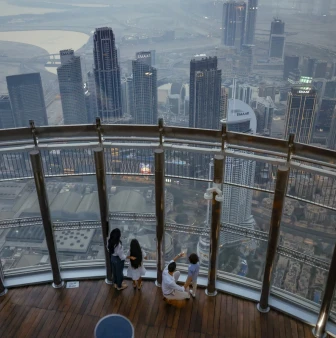
Burj Khalifa fits well before or after museum entry due to flexible observation deck slots.
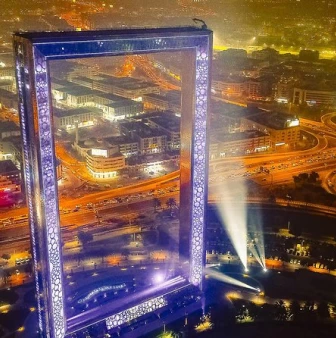
Dubai Frame works as a late afternoon visit because it does not require a long indoor time.
Downtown Dubai attractions such as the Dubai Mall align with post-visit dining and rest needs.
Visitors should avoid stacking two fixed-time attractions too closely, as late arrival at the museum results in denied entry.
Where to Stay in Dubai
Accommodation planning affects access timing to the Dubai Museum of the Future. Hotels near Sheikh Zayed Road reduce travel delays caused by peak traffic. Metro access also influences hotel selection for visitors relying on public transport.
Staying within the Trade Centre, DIFC, or Downtown Dubai shortens commute times. Budget travellers often choose areas slightly farther along the Red Line while maintaining direct connectivity.
Stay Type
Area
Budget Range
Budget
Al Rigga, Deira
Low
Mid-range
Trade Centre, DIFC
Medium
Premium
Downtown Dubai
High
Hotels connected to metro stations simplify entry scheduling for Museum of the Future tickets with fixed time slots.
Travel Tips
Entry to the Museum of the Future ticket system requires punctual arrival. Late entry results in denied access regardless of booking confirmation.
Important travel points
Arrive at least thirty minutes before the scheduled entry slot.
Carry digital or printed ticket vouchers for scanning.
Avoid large bags, as storage rules apply at security.
Wear comfortable footwear due to extended walking inside.
Plan meals before or after the visit, not during.
Visitors should treat the museum as a timed installation rather than a flexible attraction.
Safety & Etiquette
The Museum of the Future rules apply uniformly to all visitors regardless of age or ticket type. Security screening occurs at entry. Staff enforce compliance consistently.
Key safety and conduct requirements
Respect dress standards applicable to public spaces in the UAE.
Follow staff instructions during internal movement.
Avoid flash photography and professional equipment without permission.
Supervise children at all times inside public zones.
Re-entry is not permitted after exit.
The Museum of the Future rules exist to manage crowd flow and equipment safety.
Why Choose My Tour Plans
Ticket handling for the Museum of the Future tickets requires accuracy due to strict entry controls. Time-slot coordination, transport alignment, and confirmation management affect entry success. My Tour Plans manages ticket procurement with attention to confirmed time slots and entry compliance. The process includes coordination support for visitors planning the museum as part of a multi-attraction itinerary. Assistance remains informational and non-intrusive.
Support covers ticket confirmation, schedule alignment, and local coordination where required. The service focuses on clarity rather than promotional bundling. Visitors who prefer structured planning may find value in coordinated handling, especially during peak seasons when time slots fill quickly.
Read More
Policy
Inclusions
Entry Ticket
Return Transfers
Exclusions
18% GST will be applicable
Cancellation Policy
100% costs will be incurred if tours or tickets are canceled after booking.
Additional Information
Confirmation will be received at time of booking.
Not recommended for travellers with back problems.
Not recommended for pregnant travellers.
No heart problems or other serious medical conditions.
Travellers should have a moderate physical fitness level.
This is a private tour/activity. Only your group will participate.
Help
If you have questions about this tour or need help making your booking, we’d be happy to help. Just call the number below:
A wonderful experience from start to finish! The team was attentive, accommodating, and extremely knowledgeable. Every detail of the trip was perfect. Thank you Mytourplans for such a wonderful trip.
What a fantastic adventure! The travel company provided impeccable service, and we loved the personal touches they added to our journey. Our family had a blast, and we can’t wait for our next trip!
Thrilling experience! The whole plan from day one is so beautifully designed that none of us feel tired and missed out. Thanks to the team for arranging our trip and assisting us throughout the trip
I literally fell in love with this place just because of My Tour Plans. I planned my Andaman trip for the Christmas eve and from flights, tours to accommodations all were incredibly arranged by them. I got to explore everything and enough time to enjoy that place. Thank you My Tour Plans for this trip.
Highly Recommended travel agency for any trip. They have very polite staff and drivers. Ms. Bandana designed a very well-designed itinerary. She took care of everything we needed and was available on call whenever we needed her. We had an enjoyable vacation.