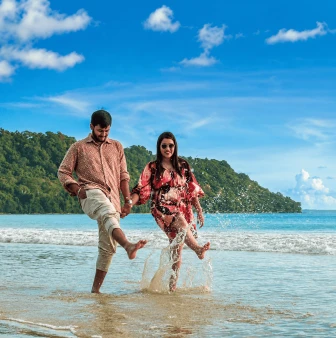
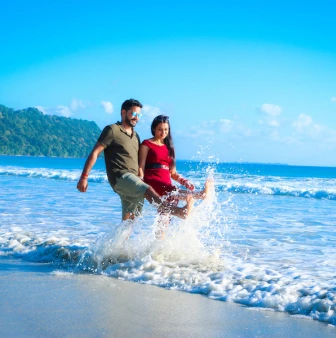
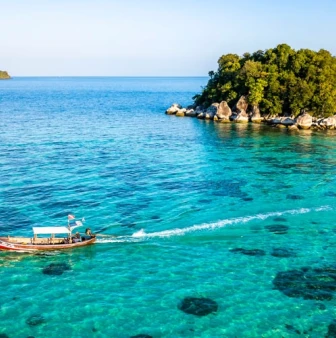
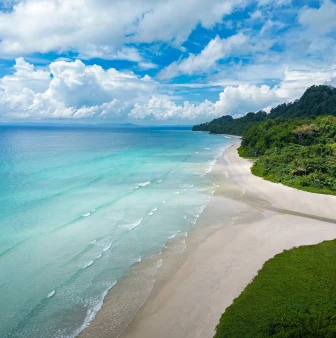
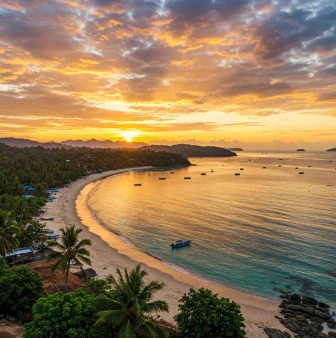
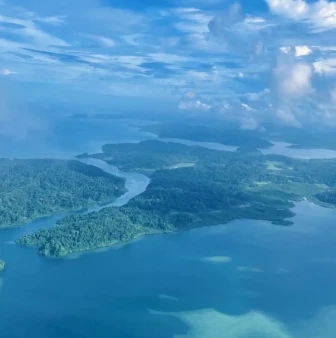
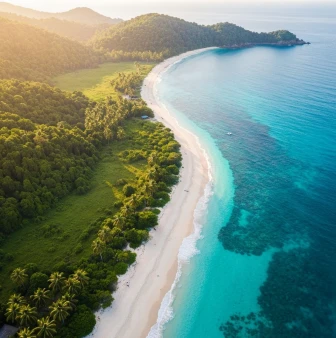
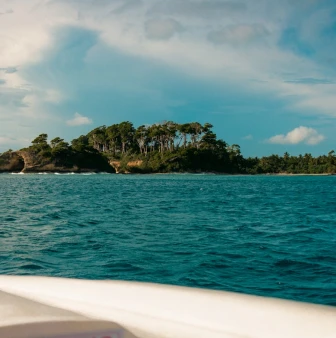
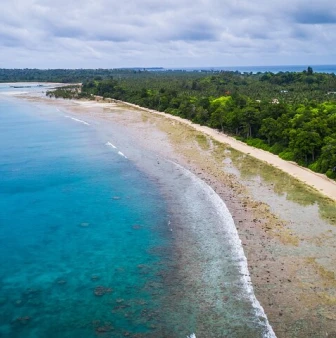
The Andaman Islands are characterised by their pristine beaches spread far apart, gently sloped beaches, and generally calm waters, which anyone can appreciate the very first time they come to visit. Andaman Islands tours offer a rural setting with open spaces and natural beauty, typically slower-paced than urban areas. Most travellers generally have an idea of what an Andaman vacation would be like when they wish to enjoy the ocean, have access to stable weather conditions, and want to travel to places that do not feel disoriented or overwhelming when they are there. They will usually design an Andaman package around a specific small number of beaches, water access points, and light, easy activities after doing their initial research.
Some of the most popular locations in the Andaman Islands have been established as the best to visit, as they combine expansive sandy beaches, tranquil water, and the ability to walk from the major highway or docking point to the beach. Visitors have listed these locations on their own private lists of "best things to do in the Andaman Islands" that they have created during their planning process.
When someone decides to gather the basic information about the Andaman Islands, they generally circle back to similar areas that are being recommended, including a couple of major beaches, a viewing point, and one water location that is ideal for novice sea lovers.
Natural Layout and Island Composition
Most populated parts of the Andaman follow a clear pattern that repeats in slightly different forms. A beach usually sits at the front, a narrow line of trees or light greenery stands behind it, and a shallow water belt stretches out from the shoreline. This kind of structure makes the islands easy to read. You do not need to know technical details to picture how a day will unfold, because the basic elements remain the same from one accessible point to another.
Some stretches feel wider and more open, while others are compact and better suited to shorter visits. In many spots, a village lane or small market sits within a short walk of the water. This gives you a simple chain of spaces in a single frame: sand, sea, shade, and basic services. The table below shows how these broad landscape parts fit into a normal day on the islands.
Area Type
What You Mainly See
Typical Role In A Day
How It Usually Feels
Open beach line
Long, low, continuous sand
Morning or evening shoreline time
Clear and easy to use
Semi-shaded strip
Trees or light greenery behind sand
Short breaks from the sun and heat
Cooler and quieter
Shallow water belt
Low depth with visible seabed
Standing, wading, light swimming
Stable and reassuring
Coral-touch pocket
Patches of colour under the surface
Viewing, basic snorkel entry
Slightly varied but controlled
Nearby lane or jetty
Simple path, small shops, or boats
Access, waiting points, casual walking
Functional and familiar
Small inland patch
Grass, soil, or low forest edge
Short walks, sitting points
Soft change from the shoreline
Coastal and Shoreline Zones
The coastline in Andaman shifts gradually from one style of beach to another without sudden changes. Some shores are wide and straight, suited for longer walks where you can move for quite a distance without turning back. Others are shorter and gently curved, which works well for people who prefer staying in one main area but still want space to move around. Even on busy days, the main beaches tend to remain readable and simple to use.
A few stretches include firmer sand where your feet do not sink much, making them good for longer strolls. Other parts feel softer and encourage a slower pace. You may also come across small coves that feel enclosed, where the entry to the sand is only from one side. These spots are often picked quietly inside someone’s itinerary when they want at least one place that feels a bit more self-contained.
To understand the practical side of these coasts, it helps to look at how they behave in terms of surface and use.
Shore Type
Surface Behaviour
Water Entry Style
Common Use
Long open beach
Firm, mostly even sand
Flat, direct walk-in
Longer walks and extended stays
Soft curved stretch
Finer, slightly looser sand
Gentle sloping edge
Slower shoreline time
Enclosed small cove
Short, curved sand line
Single narrow approach
Half-day relaxation or quick visits
Mixed sand and stone
Sand with smooth rock
Careful low-tide entry
Quiet sitting or light viewing
Mild raised ridge
A slightly high band of sand
Easy step down
Simple access point and lookout
A day in Andaman usually moves through beaches, shallow water, and a few small green pockets without any effort, and that simple flow becomes the base for most plans. This is where My Tour Plans fits in naturally, using the same steady rhythm of the islands to shape your Andaman itinerary.
The team keeps things clear by placing calm beach stretches, reliable water spots, and short inland breaks in an order that feels easy to follow. The usual adventure activities in Andaman are added only in places that stay comfortable through most hours, while lighter watersports activities sit between slower parts of the day, so your Andaman tour package stays balanced instead of overloaded.
Andaman Activities And Experience Zones
Andaman offers several open pockets where movement stays easy, and each space holds a clear physical form. These areas include calm water belts, gentle beaches, and small walking sections that suit a range of Andaman activities without requiring long travel. Most activity spots sit close to the shoreline, which keeps the day simple and lets people match water time with short land segments.
Top Things to do Across Andaman
Below are activity points chosen for their layout, access, and steady conditions. Each line focuses on what you actually do and how the area behaves.
Spend time on Radhanagar Beach, a long sand stretch used for quiet beach activities in Andaman, because the shoreline stays firm through most hours.
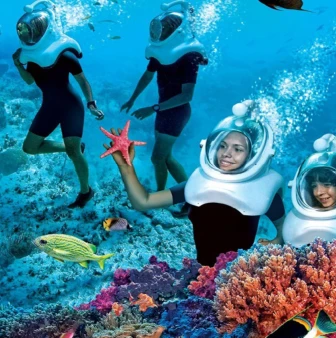
Explore shallow coral at North Bay, where level water belts work well for soft Andaman marine experiences.
Walk through Cellular Jail’s fixed corridors and view galleries arranged in a simple interior line.
Take the boat-and-trail route to Baratang Limestone Caves, where the ground remains even inside the chamber.
Try snorkelling in Andaman at Elephant Beach in shallow sections that maintain clear viewing distance.
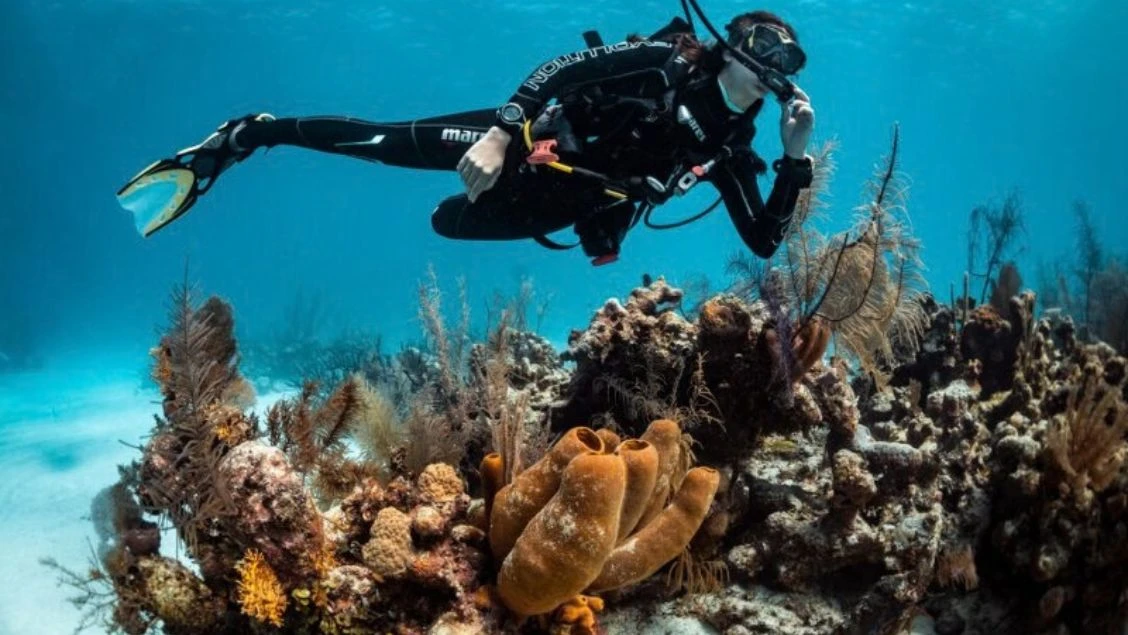
Join structured scuba diving in Andaman at Havelock, where Dive Andaman uses reliable marine pockets for fun and course-based dives.
Use calm water at Bharatpur Beach for slow water activities in the Andaman without deep sections.
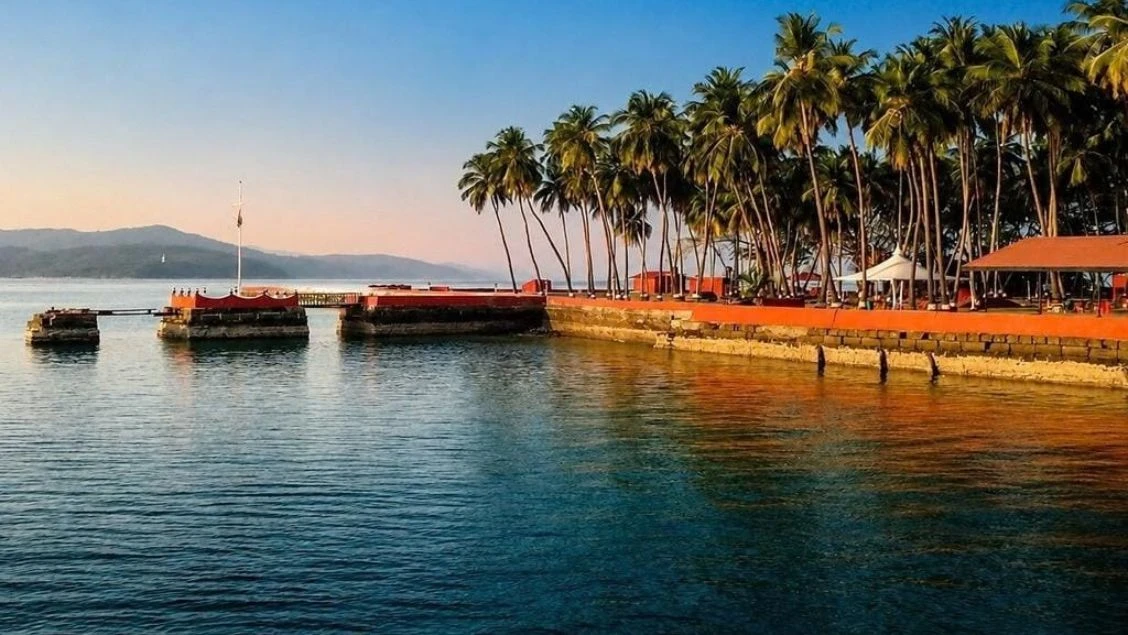
Walk across open patches on Ross Island, where older structures sit near flat ground.
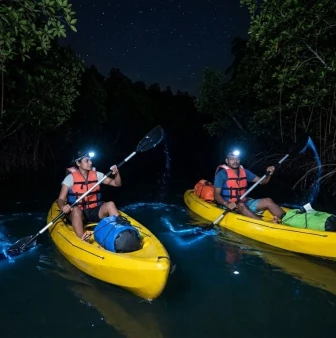
Take a slow kayak stretch in Mayabunder’s mangroves, where the water remains narrow and steady.
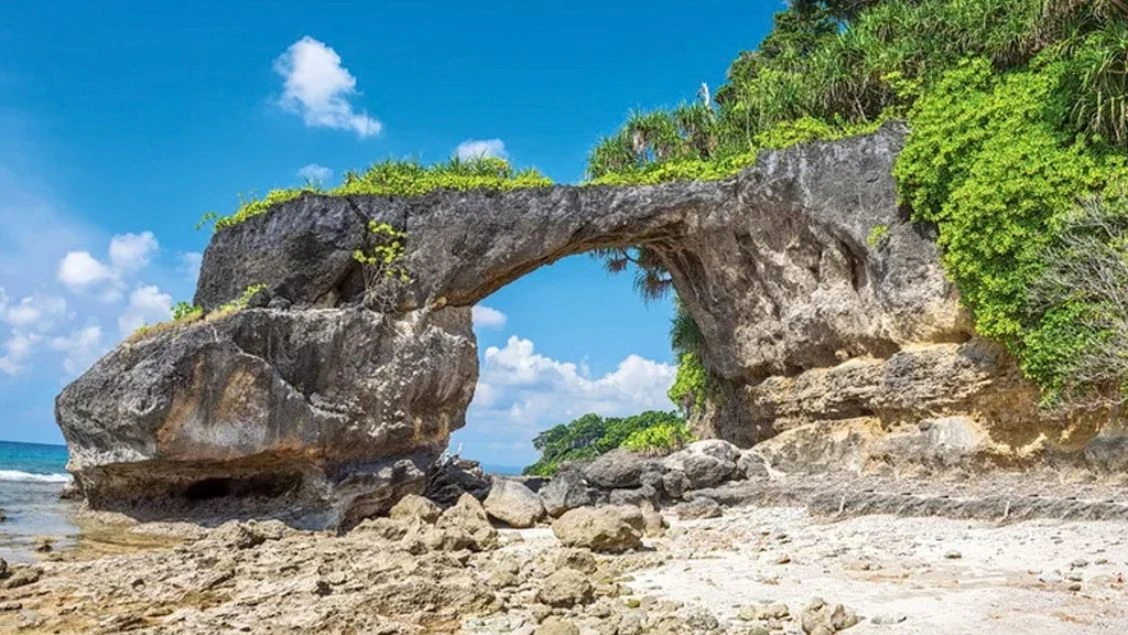
Visit Natural Bridge during low water to observe rock patterns formed along the tidal edge.
Spend time at Kalapathar Beach, where the darker sand and straight shoreline suit quiet beach activities in Andaman.
Look toward the coastline from Laxmanpur Beach, where the sand stays stable during evening hours.
Walk near the shaded edge of Chidiya Tapu for simple ground-level movement with open viewing.
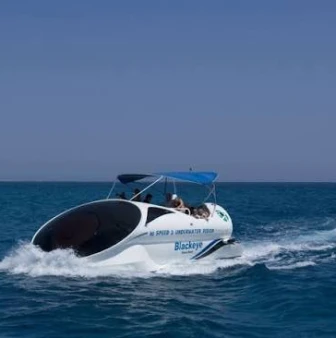
Add a boat loop around Jolly Buoy Island for clean water zones that support beginner-friendly activities in Andaman.
Explore Sitapur Beach for early light sessions where shallow belts are easy to enter.
Activity Structure
This table outlines how major activity zones behave in terms of access, water or ground form, and movement pattern.
Activity Zone
Access Type
Ground or Water Pattern
Movement Style
Radhanagar Beach
Direct shoreline
Firm straight sand
Linear walking section
North Bay Reef
Boat or shallow edge
Clear coral patches
Guided circular viewing
Elephant Beach
Short boat route
Mixed soft sand and reef
Simple water entry
Cellular Jail
Ground-level entry
Flat interior corridors
Step-by-step gallery movement
Natural Bridge Site
Low tide rock line
Stable rocky platform
Short guided approach
Baratang Caves
Boat plus trail
Level the soil and cave flooring
Narrow inward route
Ross Island
Jetty to open the ground
Grass and stone surfaces
Island-side walking
Kalapathar Beach
Roadside sand
Dark soft sand
Quiet shoreline path
How Activities Fit Into a Day
Most outdoor activities in Andaman can be paired without stretching the schedule because beaches and shallow water areas sit close to each other. A person may start at a calm shoreline, move to a nearby coral pocket, and finish with a short inland walk, all within a controlled distance. This balanced structure helps families, couples, and solo visitors choose areas that feel straightforward to manage.
Some people prefer gentle movement in the first half of the day, saving shaded corners or quiet beaches for later. Others mix water and land segments to keep the pace comfortable. Since many island activities in Andaman share similar access points, a single area can support different uses without requiring major adjustments.
Travel Requirements, Entry Rules, And Movement Across Andaman
Planning a trip to Andaman involves a few clear steps that stay consistent for most travellers. Entry points, permits, identification checks, and transport links follow structured patterns, which keep the process simple. The islands rely on stable arrival hubs, predictable ground movement, and fixed operating timings, so travellers usually find it easy to arrange their routes once they understand the basic framework.
Permits and Restricted Access Zones
Certain areas inside the Andaman require permits due to environmental or administrative reasons. These locations are marked clearly, and permissions are processed at official counters. Permits ensure controlled entry so the zones remain manageable and protected.
Visitors do not need to worry about complex applications. Most permissions are handled on the spot, especially for commonly visited islands. Basic details and identification are enough for clearance, and the process remains consistent throughout the year.
Customs, Regulations, and Travel Conduct
Customs checks follow standard national rules. Items related to safety, environment, and restricted materials undergo additional verification. Protected areas have clear signboards explaining what visitors can and cannot carry. These guidelines exist to maintain ecological balance and are usually simple to follow.
Travel conduct in Andaman is shaped by calm movement, controlled entry, and adherence to local regulations. Travellers are expected to keep identification visible on request and respect marked boundaries in coral and forest zones.
How to Reach Andaman
Andaman is connected mainly through air routes, with flights operating from major Indian cities. Port Blair serves as the primary entry hub. Movement from the airport to the city remains short, with predictable transport options. Ferry terminals are located within accessible distances and follow fixed schedules.
The paragraph above explains the movement pattern. Below is a single table showing how major Indian cities connect to the Andaman. This table follows all formatting rules.
Departure City
Route Type
Approx Duration
Additional Notes
Delhi
Direct and connecting
4.5 to 5 hours
Frequent morning and midday runs
Mumbai
Connecting
5 to 6.5 hours
Steady evening options
Kolkata
Direct
2 to 2.5 hours
Shortest sector to Andaman
Chennai
Direct
2.5 to 3 hours
Consistent daily flights
Bengaluru
Direct and connecting
3 to 4.5 hours
Balanced morning departures
Hyderabad
Direct and connecting
3 to 4.5 hours
Midday connections common
Ahmedabad
Connecting
5.5 to 7 hours
Routing varies by season
Internal Transport Options
Transport inside the Andaman stays predictable because major routes follow fixed paths. Road movement relies on simple networks that connect beaches, markets, and accommodation areas. The distance between common points is short, which makes the day easy to manage.
Ferries form the main backbone for inter-island travel. Schedules remain consistent, with clear boarding times and organised terminals. Most travellers use a mix of road and ferry travel because it keeps the day balanced.
Road taxis and autos operate on direct point-to-point routes.
Government and private ferries connect key islands.
Short boat links cover calm water belts.
Rented two-wheelers work well on compact islands.
Movement times remain predictable across seasons.
Transport Flow Between Islands
Movement between islands depends on ferry lines that operate in defined intervals. Entry and exit points are fixed, and boarding follows simple verification. Water conditions are monitored daily, and schedules shift only during unavoidable circumstances.
Travellers often choose transport routes based on how long they intend to stay on each island. Some prefer shorter hops, while others plan full-day stays. Since most islands sit at comfortable distances from each other, travel rarely feels complicated.
Tour Packages, Region-Wise Places, Travel Structure, and Planning Details
Andaman packages are usually shaped around beaches, shallow water belts, and a few inland pockets that remain steady through most hours of the day. Most travellers prefer plans that keep movement simple, mix short activities with light travel, and use places that have predictable access. An Andaman tour package usually blends beaches, water sports, and short sightseeing routes instead of long stretches of travel.
Tour Package Overview
The structure of Andaman travel packages depends on how each island behaves during the day. Some places work best for slow movement along the shore, while others support light water viewing or short nature walks. Packages stay balanced when the day includes one main beach, one water zone, and one accessible inland spot. This avoids packed schedules and keeps the experience clear.
Many travellers choose Andaman holiday packages with simple day chains because most islands are linked through fixed ferry timings. Plans remain smooth when activities stay close to daytime stability, especially in calm marine areas and straight shoreline sections.
Best Places to Visit – North Andaman
North Andaman includes beaches, mangroves, and open patches that support slow movement and short viewing. These places follow predictable access lines and remain steady across most daytime hours.
Place
Landscape Type
Access Pattern
Notable Feature
Ross Island
Open ground patches
Jetty entry
Simple looped walking lines
North Bay
Reef and shallow belt
Boat or edge access
Clear coral pockets
Baratang Caves
Cave chamber area
Boat plus forest trail
Limestone formations
Chidiya Tapu
Forest edge zone
Roadside access
Evening viewing space
Wandoor
Wide shoreline
Direct beach entry
Open sand segments
Jolly Buoy
Calm water belt
Structured boat route
Clean visibility
Best Places to Visit – Middle Andaman
The middle sections combine forest lines, quiet beaches, and reachable water points. These areas suit visitors who prefer grounded movement without long internal travel.
Place
Landscape Type
Access Pattern
Notable Feature
Rangat
Shoreline and trees
Road approach
Calm open stretches
Mayabunder
Mangrove belt
Boat or quiet edge
Narrow kayak-friendly water
Amkunj Beach
Pebble-sand mix
Roadside access
Shaded tree line
Dhani Nallah
Boardwalk path
Wooden walkway
Short structured trail
Moricedera
Rock-shore mix
Road edge
Layered rock textures
Yerrata
Forest-view zone
Hill road
Elevated roadside viewpoint
Best Places to Visit – South Andaman
South Andaman holds compact beaches, shallow water areas, and short inland pockets that work well for steady half-day plans. These places remain predictable and easy to navigate.
Place
Landscape Type
Access Pattern
Notable Feature
Havelock Main Beach
Long open sand
Direct shoreline
Stable daytime access
Radhanagar
Wide beach line
Roadside to shore
Firm sand structure
Elephant Beach
Mixed reef zone
Structured boat route
Clear shallow sections
Kalapathar
Dark sand belt
Roadside entry
Quiet linear strip
Neil Bharatpur
Calm bay zone
Direct shallow entry
Soft water slope
Laxmanpur
Straight coastal edge
Road link
Clean viewing line
Key Highlights When Selecting Packages
Most people choose packages based on the hours they want to spend near the water, how much movement they prefer, and whether they need a mix of beaches and short trails. Simple plans suit travellers who prefer calm water pockets and minimal transfers. Families often choose wider beaches and predictable shallow sections. Couples tend to select quieter strips or soft evening zones. Solo visitors usually prefer compact layouts that remain easy to read without guidance.
Straight shorelines help maintain a stable pace.
Shallow belts work well for lighter sessions.
Short trails suit breaks between beach segments.
Quiet coves help balance crowded hours.
Jetty-linked islands simplify movement.
Types of Tour Packages
Package styles vary based on time, comfort level, and the type of places included. Each category fits a different travel rhythm and uses sections of the islands that stay stable for most hours.
Andaman family tour packages select wider beaches, shaded strips, and accessible marine pockets.
An Andaman couple tour includes softer evening lines, slow shoreline walks, and calm water corners.
Andaman group packages work around ferry timings, multiple activity pockets, and predictable daytime routes.
Andaman holiday packages focus on mixed beach and shore access with short inland spaces.
Some plans use a compact Havelock tour plan to structure beach and water sessions.
Visitors seeking lighter days often add simple Neil Island itinerary blocks for relaxed timing.
Trip Durations and Itinerary Lengths
Short packages use compact island clusters and easy-access beaches. Mid-length plans include one water session and one inland zone daily. Longer stays divide movement between multiple islands while keeping each segment light. Short stays revolve around one beach and one water point. Medium stays mix shoreline, small trails, and coral pockets. Longer stays add structured marine zones, short nature walks, and soft evening viewing sections.
Best Time to Visit Andaman
The suitable period for planning a visit spans November to April because these months hold the most stable daylight conditions across the beaches, water belts, and common inland spots. Wind patterns remain steady enough for regular boat movement, and visibility stays predictable in shallow zones. Outdoor activities follow a clear routine since rain interruptions are lower during this time. Simple shoreline plans, short trails, and calm-water sessions work well across these months, helping travellers maintain steady daily movement without changing schedules.
Period
Condition Pattern
Daytime Behaviour
Notable Detail
Nov to Jan
Dry and clear
Stable visibility
Good for water sections
Feb to Apr
Warm with calm winds
Clear shallow belts
Simple beach movement
May to Aug
Mixed rains
Variable routines
Limited marine access
Sep to Oct
Transition period
Gradual improvement
Slow return to steady conditions
Local Etiquette and Practical Tips
Local behaviour follows a calm rhythm shaped by routine beach use and slow inland movement. Visitors usually follow the natural order of spaces, keeping activities in marked segments and walking within visible paths. This helps the islands remain organised even on busy days.
Keep identification available at all checkpoints.
Follow marked lines in coral areas.
Use shaded corners during midday hours.
Walk on visible paths near forest edges.
Maintain low noise near quiet sections.
Keep digital copies of essential documents.
Confirm ferry timings before moving.
Package Comparison
Package Type
Movement Level
Main Focus
Suitable For
Compact 3 Day Plan
Light
Beach plus one water point
Short stays
Balanced 5 Day Plan
Moderate
Shoreline, coral zone, short walk
Families and couples
Extended 7 Day Plan
Steady
Multiple islands and activities
Groups and long-stay visitors
Slow Pace Plan
Gentle
Quiet beaches and soft viewing
Relaxed travellers
Accommodation and Island Placement
Many travellers choose stays based on how far the room is from the shoreline or the morning activity segment. Some prefer accommodation near steady water belts so early sessions feel effortless. Others look for shaded corners or quiet stretches to balance mid-day hours. Havelock Island Beach Resort appears in some plans because it sits near familiar beaches and calm bays.
The same logic applies to stays across Neil Island, where short paths often connect directly to open sand. Another placement for Havelock Island Beach Resort occurs when people want simple access to shallow marine pockets without long internal movement. On longer stays, some travellers choose Havelock Island Beach Resort again for a steady base close to predictable activity points.
How My Tour Plans Assist
My Tour Plans organizes your Andaman tour package by using calm beaches, steady water belts, and short inland pockets to form a day that feels simple rather than crowded. The team reviews marine timings, shoreline access points, and local movement before shaping your plan, which keeps each segment clear and predictable. Travel requirements, ferry slots, and activity windows are arranged in one line, so you do not have to adjust anything while moving between islands. This lets you use your time on the beaches and water sections comfortably, without dealing with unnecessary pressure or last-minute changes.
Read
More
About Andaman
<p>Neil island is romance taken neat. The changing colours of the endless horizon and turquoise waters stretching beyond one’s gaze; Neil island offers detachment from the chaos of the real world and invites you into the romance of being nowhere. This must be why this island finds its way into most itineraries in Andamans. With its laid-back temper and coherent charm, Neil island is soothingly different from its neighbour, Havelock. How to Reach Neil Island from Port Blair? The island expands over an area of 13.7 square kilometres and lies blissfully in South Andamans nearly at a distance of 40 kilometres. Given the extent and nature of the sightseeing spots in Neil Island, Neil can be bicycled around with minimal effort. Prime Minister renamed Neil Island to Shaheed Dweep as a tribute to Netaji Subhash Chandra Bose in 2018.</p>
<p>Best known for its unparalleled biodiversity, magnificent coral reefs, the unexplored span of dense tropical forests. Banana plantations, paddy fields and a medley of vegetable yields encircle the roads on the journey to the island, also earning it the title of the vegetable bowl of Andaman. Agriculture is the primary line of business for the islanders, and the production of fruits and vegetables is in generous quantities. Due to its abundant yield, Neil island then supplies vegetables to the rest of Andamans.</p>
Uninhabited until the 1960s, followed by the arrival of native Indians and refugees from Bangladesh, Neil island is the rustic masterpiece of Andamans. With a population of 2675, Neil island is a world of complete serenity where the locals lead quite a simple life. One can tour the entire island in about an hour or two. With its carefree vibe, desolate beaches and little bustle, Neil island is where travellers arrive to have a laid-back vacation in Andaman. Most of the hotels and resorts here dwell near the beaches or in the jungles, further compliment the ambience of the island.
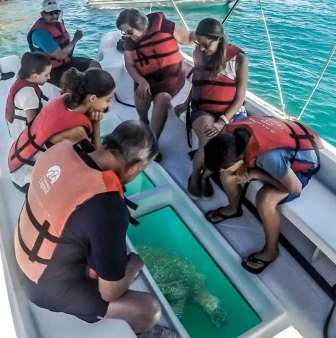
A ride through winding and twisting village roads as the sun comes up is one of the best to experience in the island, and the morning view of the beach gets even better! Not a single soul for miles, and no swarm of beach shacks! Cycling around the island has become both a means of getting around as well as a form of recreation. Tourist Attractions in Neil Island? Considering that Neil island is all about beaches, to make the most of it, tourists can indulge in water sports such as diving, snorkelling, jet-skiing, and glass-bottom boat rides at Bharatpur beach.
If you’re looking for a quiet holiday or a secluded but idyllic getaway, this is the place for you. With its gorgeous vistas, stunning sea and an array of water sports, places to visit in Neil Island are more than enough to whisk you away for a vacation. Certainly one of the most commercially unexploited and serene beaches in Andamans, Neil Island has luxurious coral reefs, this hidden gem is a perfect place for beach-bums as well. Havelock island often overshadows the allure of Neil island, and it gets limited to being a one-day trip destination on the itinerary. Pack your bathing suits and smear that suntan lotion, Neil island awaits your presence!
FAQs About Andaman Islands
Q1.
What is the best time to visit the Andaman Islands?
The best time to visit is between October and May, when the weather is pleasant for outdoor activities like sightseeing, snorkeling, and water sports.
Q2.
Do I need a visa to visit the Andaman Islands?
Indian citizens do not need a visa, but foreign nationals require a valid Indian visa to enter.
Q3.
What are the main attractions in the Andaman Islands?
Key attractions include Havelock Island, Radhanagar Beach, Cellular Jail, Neil Island, and Ross Island.
Q4.
How do I get to the Andaman Islands?
You can reach the Andaman Islands by flight to Veer Savarkar International Airport in Port Blair or by ship from mainland India.
Q5.
How do I travel between the islands?
There are regular ferry services connecting major islands like Havelock, Neil, and Port Blair. Private boats and charters are also available.
Q6.
Is the Andaman Islands safe for tourists?
Yes, the Andaman Islands are generally considered safe for tourists. However, like any destination, it's essential to follow local guidelines and safety rules.
Q7.
Are there any beaches for water sports?
Yes, beaches like Radhanagar Beach on Havelock Island and Corbyns Cove near Port Blair offer water activities such as snorkeling, scuba diving, and jet skiing.
Q8.
Can I go scuba diving in the Andaman Islands?
Yes, the Andaman Islands are famous for scuba diving. Popular spots include Havelock Island, North Bay, and Neil Island.
Q9.
Are there vegetarian food options available?
Yes, there are many vegetarian-friendly restaurants offering a variety of Indian and continental dishes, especially in Port Blair and Havelock.
Q10.
Is there internet connectivity in the Andaman Islands?
Internet connectivity is available in Port Blair and major tourist islands, but the speed may be slower, especially on smaller islands.
Q11.
How many days should I spend in the Andaman Islands?
A typical trip lasts 5 to 7 days to explore the major islands and enjoy the activities.
Q12.
Are there luxury hotels and resorts in the Andaman Islands?
Yes, there are several luxury hotels and beach resorts, especially in Havelock and Port Blair, offering high-end amenities and private beaches.
Q13.
What activities can I do in the Andaman Islands?
Activities include snorkeling, scuba diving, water sports, trekking, island hopping, and visiting historical sites like the Cellular Jail.
Q14.
Can I visit the Andaman Islands during the monsoon season?
The monsoon season (June to September) is not ideal for tourism as many activities like water sports and ferries are affected by the weather.
Q15.
What should I pack for a trip to the Andaman Islands?
Pack lightweight clothing, swimwear, sunscreen, hats, insect repellent, comfortable shoes, and a camera for sightseeing.
Q16.
Are there ATMs in the Andaman Islands?
Yes, ATMs are available in Port Blair and Havelock, but it's advisable to carry cash in case of emergencies.
Q17.
Is alcohol available in the Andaman Islands?
Yes, alcohol is available in most resorts, restaurants, and bars in Port Blair and Havelock, but it is limited in more remote areas.
Q18.
Are there any restrictions on visiting the Andaman Islands?
Certain areas, such as tribal reserves and protected zones, have restrictions. Always follow the rules set by the local authorities.
Q19.
Can I visit the indigenous tribes in the Andaman Islands?
It is illegal to visit some indigenous tribes like the Sentinalese due to their isolation. Always adhere to the guidelines provided by local authorities.
Q20.
Are there any day trips from Port Blair?
Yes, day trips to Corbyns Cove Beach, Ross Island, and Chidiya Tapu are popular.
Q21.
What is the weather like in the Andaman Islands?
The Andaman Islands have a tropical climate, with warm temperatures year-round. Summers (March to May) can be hot, and the monsoon brings heavy rains (June to September).
Q22.
Are there any cultural experiences in the Andaman Islands?
Visit the Cellular Jail for a historical experience or explore the local markets for handicrafts. Cultural performances may be available in Port Blair.
Q23.
What are the must-visit beaches in the Andaman Islands?
Radhanagar Beach (Havelock Island)
Corbyn's Cove (Port Blair)
Laxmanpur Beach (Neil Island)
Vijaynagar Beach (Havelock Island)
Q24.
Can I take a ferry from the Andaman Islands to other parts of India?
Yes, there are ferry services from Port Blair to Chennai, Kolkata, and Visakhapatnam, though they are not as frequent as flights.
Q25.
Are there any temples or religious sites in the Andaman Islands?
Yes, there are a few temples such as the Kalapathar Shiva Temple on Havelock Island and Sri Vetrimalai Murugan Temple in Port Blair.