Some of the most popular locations in the Andaman Islands have been established as the best to visit, as they combine expansive sandy beaches, tranquil water, and the ability to walk from the major highway or docking point to the beach. Visitors have listed these locations on their own private lists of "best things to do in the Andaman Islands" that they have created during their planning process.
When someone decides to gather the basic information about the Andaman Islands, they generally circle back to similar areas that are being recommended, including a couple of major beaches, a viewing point, and one water location that is ideal for novice sea lovers.
Most populated parts of the Andaman follow a clear pattern that repeats in slightly different forms. A beach usually sits at the front, a narrow line of trees or light greenery stands behind it, and a shallow water belt stretches out from the shoreline. This kind of structure makes the islands easy to read. You do not need to know technical details to picture how a day will unfold, because the basic elements remain the same from one accessible point to another.
Some stretches feel wider and more open, while others are compact and better suited to shorter visits. In many spots, a village lane or small market sits within a short walk of the water. This gives you a simple chain of spaces in a single frame: sand, sea, shade, and basic services. The table below shows how these broad landscape parts fit into a normal day on the islands.
Area Type | What You Mainly See | Typical Role In A Day | How It Usually Feels |
Open beach line | Long, low, continuous sand | Morning or evening shoreline time | Clear and easy to use |
Semi-shaded strip | Trees or light greenery behind sand | Short breaks from the sun and heat | Cooler and quieter |
Shallow water belt | Low depth with visible seabed | Standing, wading, light swimming | Stable and reassuring |
Coral-touch pocket | Patches of colour under the surface | Viewing, basic snorkel entry | Slightly varied but controlled |
Nearby lane or jetty | Simple path, small shops, or boats | Access, waiting points, casual walking | Functional and familiar |
Small inland patch | Grass, soil, or low forest edge | Short walks, sitting points | Soft change from the shoreline |
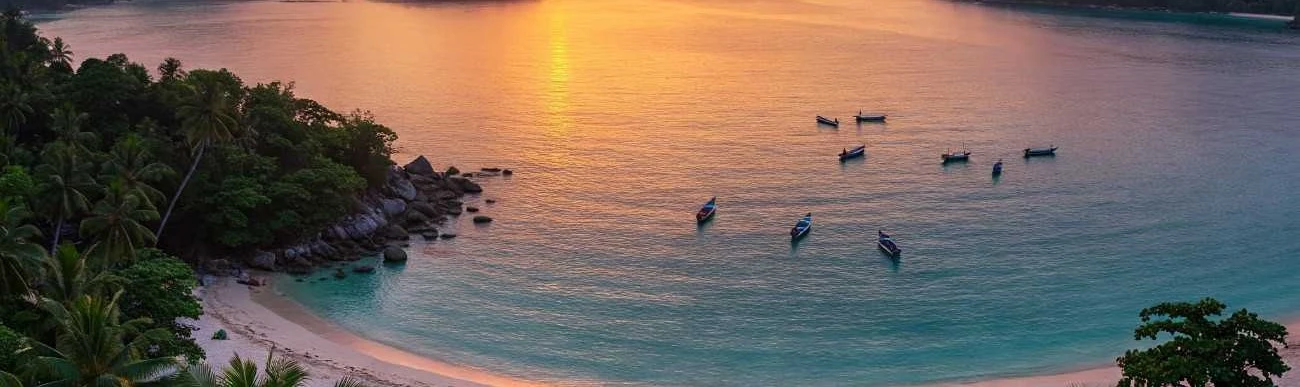
The coastline in Andaman shifts gradually from one style of beach to another without sudden changes. Some shores are wide and straight, suited for longer walks where you can move for quite a distance without turning back. Others are shorter and gently curved, which works well for people who prefer staying in one main area but still want space to move around. Even on busy days, the main beaches tend to remain readable and simple to use.
A few stretches include firmer sand where your feet do not sink much, making them good for longer strolls. Other parts feel softer and encourage a slower pace. You may also come across small coves that feel enclosed, where the entry to the sand is only from one side. These spots are often picked quietly inside someone’s itinerary when they want at least one place that feels a bit more self-contained.
To understand the practical side of these coasts, it helps to look at how they behave in terms of surface and use.
Shore Type | Surface Behaviour | Water Entry Style | Common Use |
Long open beach | Firm, mostly even sand | Flat, direct walk-in | Longer walks and extended stays |
Soft curved stretch | Finer, slightly looser sand | Gentle sloping edge | Slower shoreline time |
Enclosed small cove | Short, curved sand line | Single narrow approach | Half-day relaxation or quick visits |
Mixed sand and stone | Sand with smooth rock | Careful low-tide entry | Quiet sitting or light viewing |
Mild raised ridge | A slightly high band of sand | Easy step down | Simple access point and lookout |
A day in Andaman usually moves through beaches, shallow water, and a few small green pockets without any effort, and that simple flow becomes the base for most plans. This is where My Tour Plans fits in naturally, using the same steady rhythm of the islands to shape your Andaman itinerary.
The team keeps things clear by placing calm beach stretches, reliable water spots, and short inland breaks in an order that feels easy to follow. The usual adventure activities in Andaman are added only in places that stay comfortable through most hours, while lighter watersports activities sit between slower parts of the day, so your Andaman tour package stays balanced instead of overloaded.
Andaman offers several open pockets where movement stays easy, and each space holds a clear physical form. These areas include calm water belts, gentle beaches, and small walking sections that suit a range of Andaman activities without requiring long travel. Most activity spots sit close to the shoreline, which keeps the day simple and lets people match water time with short land segments.
Below are activity points chosen for their layout, access, and steady conditions. Each line focuses on what you actually do and how the area behaves.
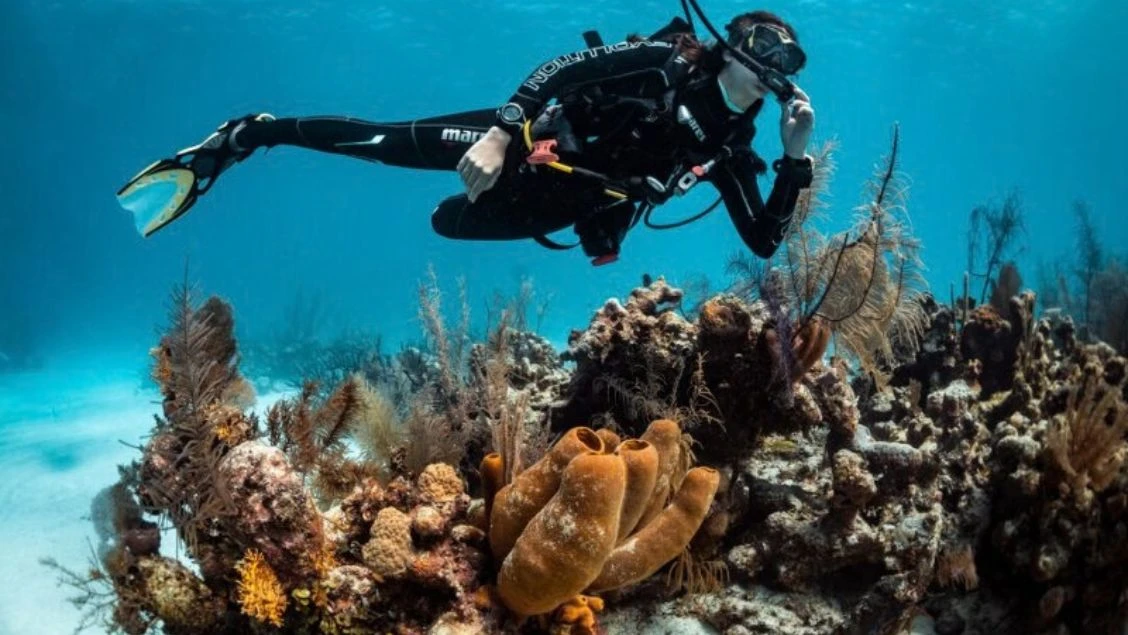
This table outlines how major activity zones behave in terms of access, water or ground form, and movement pattern.
Activity Zone | Access Type | Ground or Water Pattern | Movement Style |
Radhanagar Beach | Direct shoreline | Firm straight sand | Linear walking section |
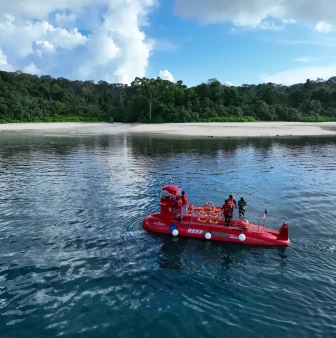
North Bay Reef | Boat or shallow edge | Clear coral patches | Guided circular viewing |
Elephant Beach | Short boat route | Mixed soft sand and reef | Simple water entry |
Cellular Jail | Ground-level entry | Flat interior corridors | Step-by-step gallery movement |
Natural Bridge Site | Low tide rock line | Stable rocky platform | Short guided approach |
Baratang Caves | Boat plus trail | Level the soil and cave flooring | Narrow inward route |
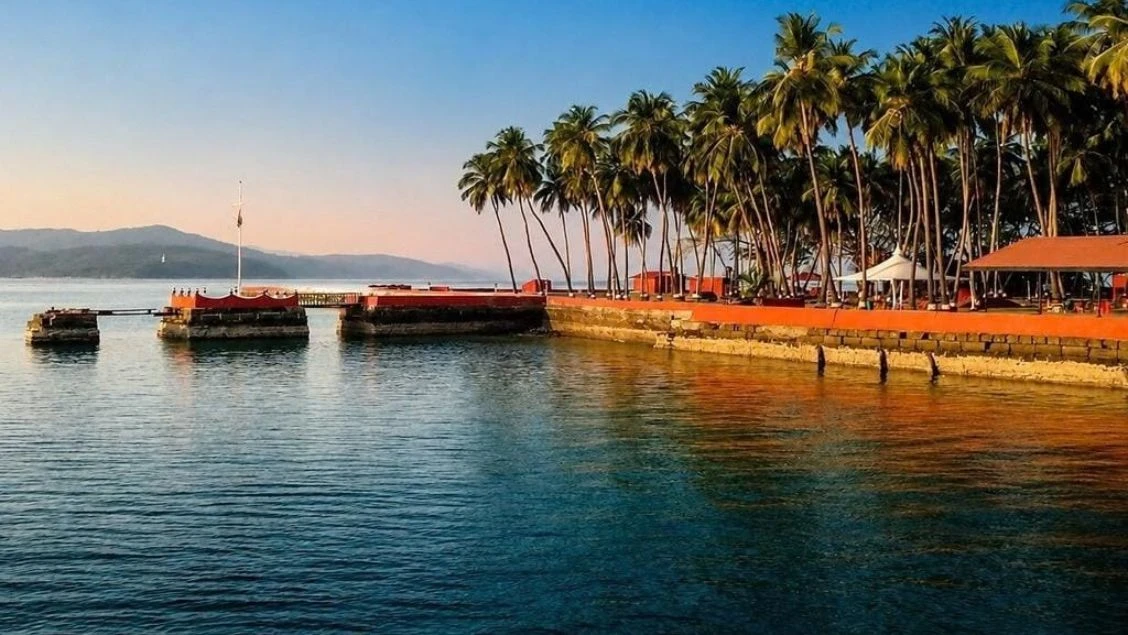
Ross Island | Jetty to open the ground | Grass and stone surfaces | Island-side walking |
Kalapathar Beach | Roadside sand | Dark soft sand | Quiet shoreline path |
Most outdoor activities in Andaman can be paired without stretching the schedule because beaches and shallow water areas sit close to each other. A person may start at a calm shoreline, move to a nearby coral pocket, and finish with a short inland walk, all within a controlled distance. This balanced structure helps families, couples, and solo visitors choose areas that feel straightforward to manage.
Some people prefer gentle movement in the first half of the day, saving shaded corners or quiet beaches for later. Others mix water and land segments to keep the pace comfortable. Since many island activities in Andaman share similar access points, a single area can support different uses without requiring major adjustments.
Planning a trip to Andaman involves a few clear steps that stay consistent for most travellers. Entry points, permits, identification checks, and transport links follow structured patterns, which keep the process simple. The islands rely on stable arrival hubs, predictable ground movement, and fixed operating timings, so travellers usually find it easy to arrange their routes once they understand the basic framework.
Certain areas inside the Andaman require permits due to environmental or administrative reasons. These locations are marked clearly, and permissions are processed at official counters. Permits ensure controlled entry so the zones remain manageable and protected.
Visitors do not need to worry about complex applications. Most permissions are handled on the spot, especially for commonly visited islands. Basic details and identification are enough for clearance, and the process remains consistent throughout the year.
Customs checks follow standard national rules. Items related to safety, environment, and restricted materials undergo additional verification. Protected areas have clear signboards explaining what visitors can and cannot carry. These guidelines exist to maintain ecological balance and are usually simple to follow.
Travel conduct in Andaman is shaped by calm movement, controlled entry, and adherence to local regulations. Travellers are expected to keep identification visible on request and respect marked boundaries in coral and forest zones.
Andaman is connected mainly through air routes, with flights operating from major Indian cities. Port Blair serves as the primary entry hub. Movement from the airport to the city remains short, with predictable transport options. Ferry terminals are located within accessible distances and follow fixed schedules.

The paragraph above explains the movement pattern. Below is a single table showing how major Indian cities connect to the Andaman. This table follows all formatting rules.
Departure City | Route Type | Approx Duration | Additional Notes |
Delhi | Direct and connecting | 4.5 to 5 hours | Frequent morning and midday runs |
Mumbai | Connecting | 5 to 6.5 hours | Steady evening options |
Kolkata | Direct | 2 to 2.5 hours | Shortest sector to Andaman |
Chennai | Direct | 2.5 to 3 hours | Consistent daily flights |
Bengaluru | Direct and connecting | 3 to 4.5 hours | Balanced morning departures |
Hyderabad | Direct and connecting | 3 to 4.5 hours | Midday connections common |
Ahmedabad | Connecting | 5.5 to 7 hours | Routing varies by season |
Transport inside the Andaman stays predictable because major routes follow fixed paths. Road movement relies on simple networks that connect beaches, markets, and accommodation areas. The distance between common points is short, which makes the day easy to manage.
Ferries form the main backbone for inter-island travel. Schedules remain consistent, with clear boarding times and organised terminals. Most travellers use a mix of road and ferry travel because it keeps the day balanced.
Movement between islands depends on ferry lines that operate in defined intervals. Entry and exit points are fixed, and boarding follows simple verification. Water conditions are monitored daily, and schedules shift only during unavoidable circumstances.
Travellers often choose transport routes based on how long they intend to stay on each island. Some prefer shorter hops, while others plan full-day stays. Since most islands sit at comfortable distances from each other, travel rarely feels complicated.
Andaman packages are usually shaped around beaches, shallow water belts, and a few inland pockets that remain steady through most hours of the day. Most travellers prefer plans that keep movement simple, mix short activities with light travel, and use places that have predictable access. An Andaman tour package usually blends beaches, water sports, and short sightseeing routes instead of long stretches of travel.
The structure of Andaman travel packages depends on how each island behaves during the day. Some places work best for slow movement along the shore, while others support light water viewing or short nature walks. Packages stay balanced when the day includes one main beach, one water zone, and one accessible inland spot. This avoids packed schedules and keeps the experience clear.
Many travellers choose Andaman holiday packages with simple day chains because most islands are linked through fixed ferry timings. Plans remain smooth when activities stay close to daytime stability, especially in calm marine areas and straight shoreline sections.
North Andaman includes beaches, mangroves, and open patches that support slow movement and short viewing. These places follow predictable access lines and remain steady across most daytime hours.
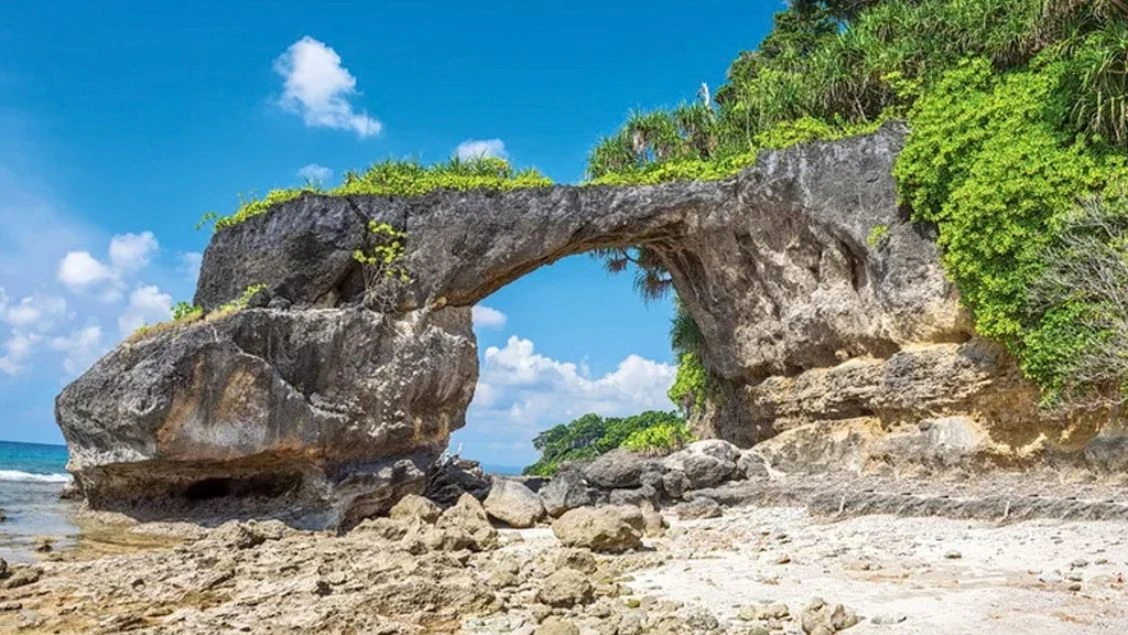
Place | Landscape Type | Access Pattern | Notable Feature |
Ross Island | Open ground patches | Jetty entry | Simple looped walking lines |
North Bay | Reef and shallow belt | Boat or edge access | Clear coral pockets |
Baratang Caves | Cave chamber area | Boat plus forest trail | Limestone formations |
Chidiya Tapu | Forest edge zone | Roadside access | Evening viewing space |
Wandoor | Wide shoreline | Direct beach entry | Open sand segments |
Jolly Buoy | Calm water belt | Structured boat route | Clean visibility |
The middle sections combine forest lines, quiet beaches, and reachable water points. These areas suit visitors who prefer grounded movement without long internal travel.
Place | Landscape Type | Access Pattern | Notable Feature |
Rangat | Shoreline and trees | Road approach | Calm open stretches |
Mayabunder | Mangrove belt | Boat or quiet edge | Narrow kayak-friendly water |
Amkunj Beach | Pebble-sand mix | Roadside access | Shaded tree line |
Dhani Nallah | Boardwalk path | Wooden walkway | Short structured trail |
Moricedera | Rock-shore mix | Road edge | Layered rock textures |
Yerrata | Forest-view zone | Hill road | Elevated roadside viewpoint |
South Andaman holds compact beaches, shallow water areas, and short inland pockets that work well for steady half-day plans. These places remain predictable and easy to navigate.
Place | Landscape Type | Access Pattern | Notable Feature |
Havelock Main Beach | Long open sand | Direct shoreline | Stable daytime access |
Radhanagar | Wide beach line | Roadside to shore | Firm sand structure |
Elephant Beach | Mixed reef zone | Structured boat route | Clear shallow sections |
Kalapathar | Dark sand belt | Roadside entry | Quiet linear strip |
Neil Bharatpur | Calm bay zone | Direct shallow entry | Soft water slope |
Laxmanpur | Straight coastal edge | Road link | Clean viewing line |
Most people choose packages based on the hours they want to spend near the water, how much movement they prefer, and whether they need a mix of beaches and short trails. Simple plans suit travellers who prefer calm water pockets and minimal transfers. Families often choose wider beaches and predictable shallow sections. Couples tend to select quieter strips or soft evening zones. Solo visitors usually prefer compact layouts that remain easy to read without guidance.
Package styles vary based on time, comfort level, and the type of places included. Each category fits a different travel rhythm and uses sections of the islands that stay stable for most hours.
Short packages use compact island clusters and easy-access beaches. Mid-length plans include one water session and one inland zone daily. Longer stays divide movement between multiple islands while keeping each segment light. Short stays revolve around one beach and one water point. Medium stays mix shoreline, small trails, and coral pockets. Longer stays add structured marine zones, short nature walks, and soft evening viewing sections.
The suitable period for planning a visit spans November to April because these months hold the most stable daylight conditions across the beaches, water belts, and common inland spots. Wind patterns remain steady enough for regular boat movement, and visibility stays predictable in shallow zones. Outdoor activities follow a clear routine since rain interruptions are lower during this time. Simple shoreline plans, short trails, and calm-water sessions work well across these months, helping travellers maintain steady daily movement without changing schedules.
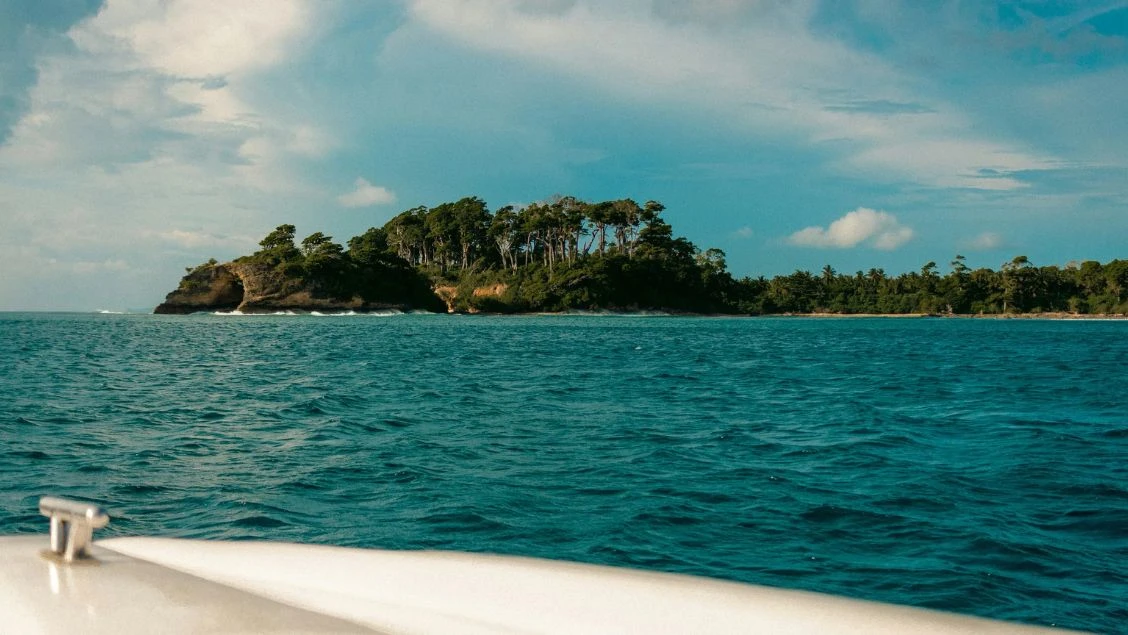
Period | Condition Pattern | Daytime Behaviour | Notable Detail |
Nov to Jan | Dry and clear | Stable visibility | Good for water sections |
Feb to Apr | Warm with calm winds | Clear shallow belts | Simple beach movement |
May to Aug | Mixed rains | Variable routines | Limited marine access |
Sep to Oct | Transition period | Gradual improvement | Slow return to steady conditions |
Local behaviour follows a calm rhythm shaped by routine beach use and slow inland movement. Visitors usually follow the natural order of spaces, keeping activities in marked segments and walking within visible paths. This helps the islands remain organised even on busy days.
Package Comparison
Package Type | Movement Level | Main Focus | Suitable For |
Compact 3 Day Plan | Light | Beach plus one water point | Short stays |
Balanced 5 Day Plan | Moderate | Shoreline, coral zone, short walk | Families and couples |
Extended 7 Day Plan | Steady | Multiple islands and activities | Groups and long-stay visitors |
Slow Pace Plan | Gentle | Quiet beaches and soft viewing | Relaxed travellers |
Many travellers choose stays based on how far the room is from the shoreline or the morning activity segment. Some prefer accommodation near steady water belts so early sessions feel effortless. Others look for shaded corners or quiet stretches to balance mid-day hours. Havelock Island Beach Resort appears in some plans because it sits near familiar beaches and calm bays.
The same logic applies to stays across Neil Island, where short paths often connect directly to open sand. Another placement for Havelock Island Beach Resort occurs when people want simple access to shallow marine pockets without long internal movement. On longer stays, some travellers choose Havelock Island Beach Resort again for a steady base close to predictable activity points.
My Tour Plans organizes your Andaman tour package by using calm beaches, steady water belts, and short inland pockets to form a day that feels simple rather than crowded. The team reviews marine timings, shoreline access points, and local movement before shaping your plan, which keeps each segment clear and predictable. Travel requirements, ferry slots, and activity windows are arranged in one line, so you do not have to adjust anything while moving between islands. This lets you use your time on the beaches and water sections comfortably, without dealing with unnecessary pressure or last-minute changes.
 Guide
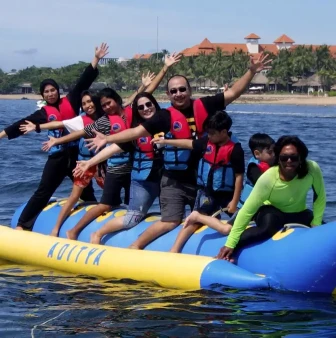
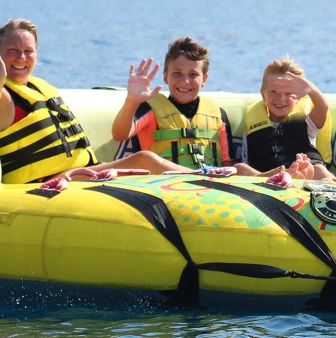
Guide Banana Boat
 Life JacketGuide
 Sea Kart
 Transfer
 Photography
 VideographyLife JacketGuideTransferPhotographyVideographyLife Jacket
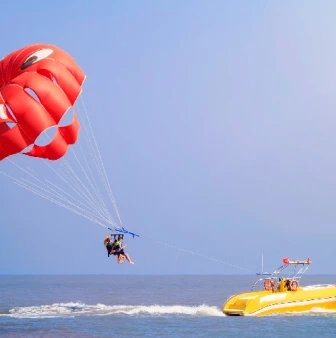
 ParasailingGuide
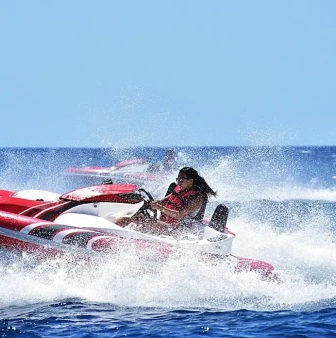
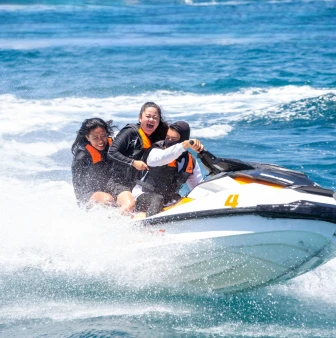
 Jet SkiLife JacketLife Jacket
 Scenic Routes
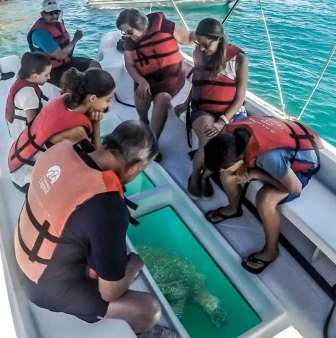
 Coral ViewGuideLife Jacket
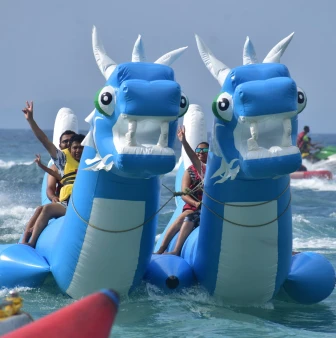
 Dragon BoatTransferPhotographyVideography
 Instructor
 Coral Reef
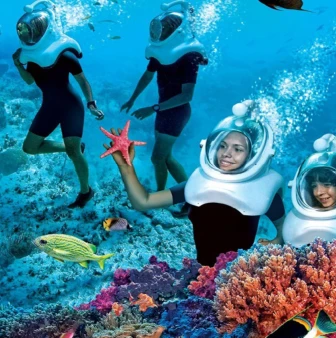
 Sea Walk
 Swim SuiteTransferPhotography
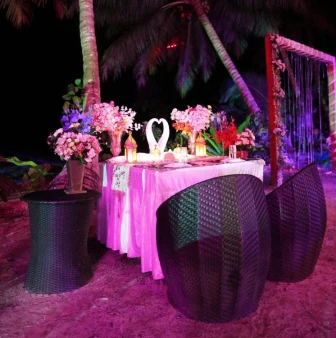
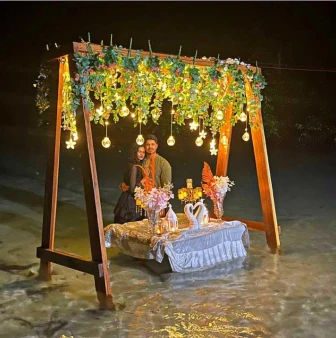
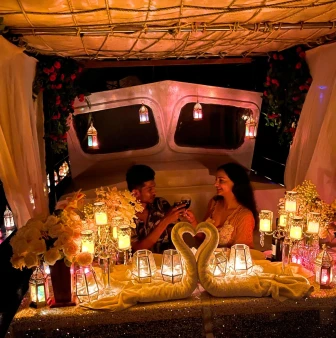
 Candlelight Dinner
 DecorationGuideTransferPhotographyVideographyScenic Routes
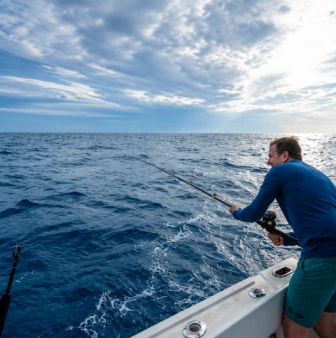
 Game Fishing
 Private Boat
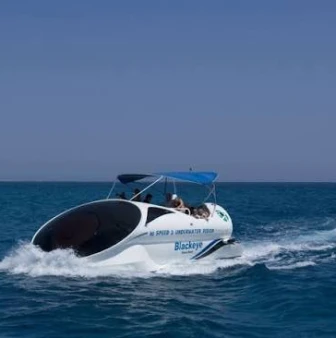
 Semi SubmarineTransferPhotographyScenic RoutesCoral View
 Mocktails
 DJGuideLife JacketScenic RoutesGuideTransferLife Jacket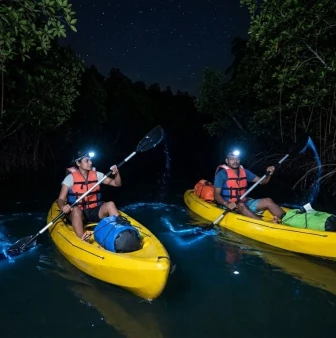
₹3,000
GuideTransferPhotographyLife Jacket Kayaking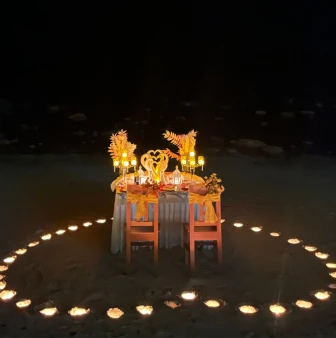
₹9,000
TransferPhotographyCandlelight DinnerDecoration
₹10,000
TransferPhotographyCandlelight DinnerDecoration Cake
Cake Wine
Wine Music
Music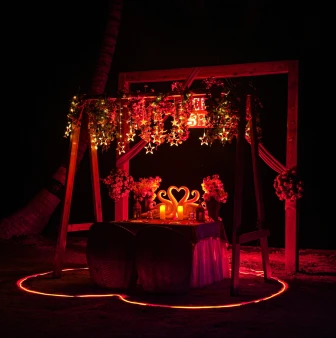
₹12,000
TransferPhotographyCandlelight DinnerDecoration Twinkles Setup
₹14,000
TransferPhotographyCandlelight DinnerDecoration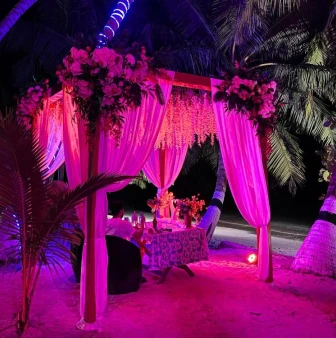
₹14,000
TransferPhotographyCandlelight DinnerDecorationTransferPhotographyCandlelight DinnerDecorationTwinkles Setup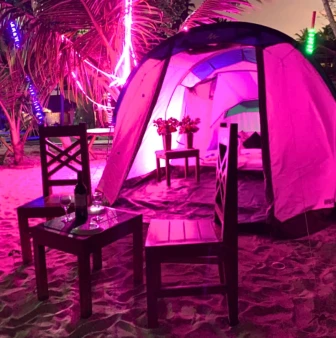
₹20,000
TransferPhotographyCandlelight DinnerDecorationWine Private Tent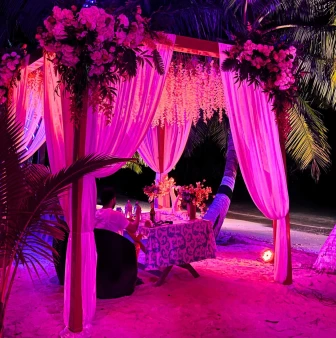
₹20,000
TransferPhotographyCandlelight DinnerDecorationTransferPhotographyPrivate BoatCandlelight DinnerDecorationCakeWineMusic