About Fairs Festivals Holiday Packages in India
The festivals of India are the result of the interplay of systems of belief, changes in seasons, and traditions of the locality. Some of them are religious. Others celebrate the harvest, community identity, or historical customs. Such a difference implies that the mode of travel can also be different from one place to another.
Movement during festivals follows a different pace. Roads remain busy for longer hours. Public spaces stay active throughout the day. Accommodation availability shifts quickly. These factors influence how festival tours in India are structured.
Different regions respond differently to festival crowds. Desert towns slow down. River cities reorganise daily movement. Hill towns limit access due to terrain. This is why fairs festivals tour packages in India are planned around geography rather than distance.
Festivals also differ in duration. Some last a single day. Others continue for several weeks. A few stretch across months. Travel planning adjusts to these timelines instead of trying to compress experiences.
Festival travel in India depends heavily on location. Climate, terrain, and settlement patterns all affect how festivals function. A desert festival does not operate like a river-based ritual. A mountain celebration follows a different pace compared to a coastal event. This makes festival travel in India region-specific by nature.
Some festivals repeat every year with predictable dates. Others move slightly because of lunar calendars. Events like the Kumbh Mela appear after long intervals. They create sudden pressure on transport and accommodation. Planning during such periods becomes highly time-sensitive.
Daily routines also change during festivals. Local transport schedules adjust. Markets remain open longer. Public movement increases at specific hours. These changes affect travel flow more than distance.
Planning focuses on reducing daily transfers. Stays are selected close to event locations. Travel days are kept limited. This approach is followed across fairs and festivals of India, regardless of festival scale.
My Tour Plans locks festival dates before building routes. Movement is planned around local patterns. Stay duration is adjusted so time is spent within the festival area rather than in transit.
North India hosts some of the most widely attended cultural festivals in India. These festivals often combine religious observance with large community gatherings. Historic towns, river cities, and pilgrimage centres become active during these periods.
Travel during festivals in North India is shaped by crowd density rather than distance. Streets remain busy for long hours. Public spaces stay occupied throughout the day. Planning focuses on proximity rather than movement.
Several fairs festivals holiday packages in India focus on North India because of the scale and frequency of festivals here. Travel plans remain location-centric. Daily movement is reduced.
Major festivals in North India include:
Pushkar Festival is held between late October and early November. Functions as a cultural gathering and livestock fair. Visitors remain concentrated within the town, and movement becomes slower as the fair progresses.
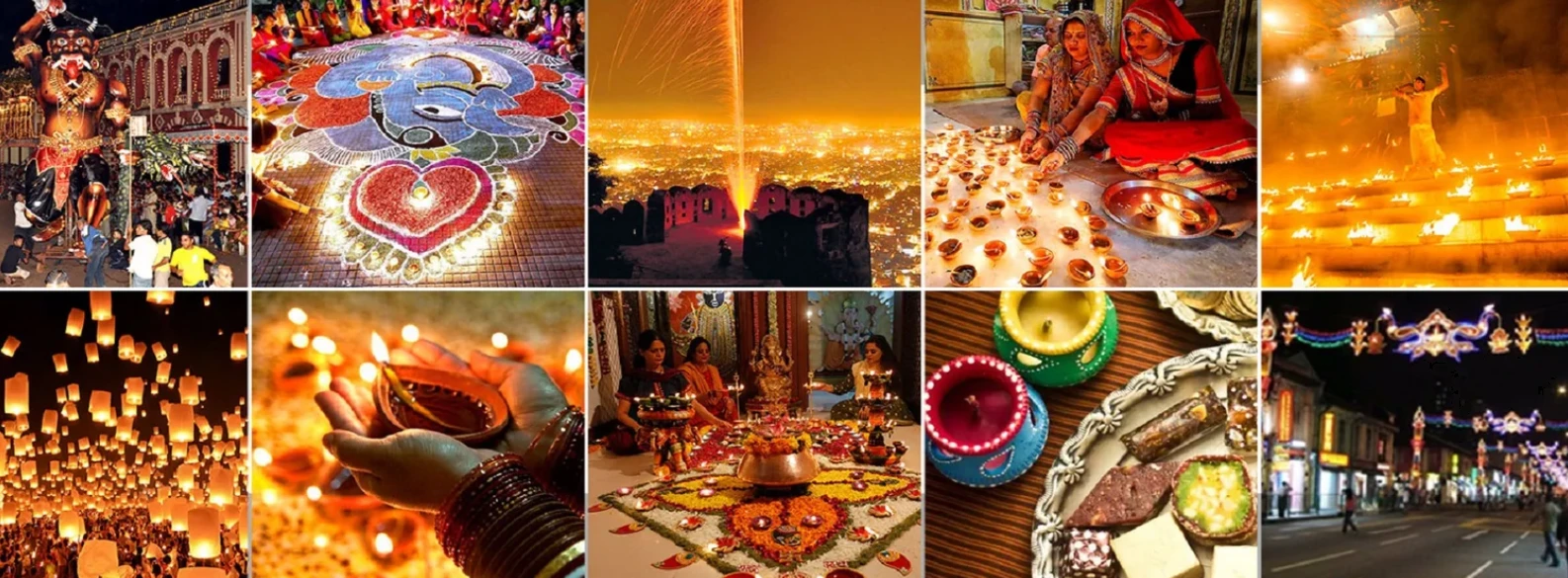
Dev Deepawali in Varanasi, observed in November, centres around evening rituals along the river ghats. Daytime activity remains lighter as attention shifts toward night events.
Holi celebrations in Jaipur, Mathura, and Vrindavan, held in March, involve full-day participation. Streets become crowded early, and movement between areas reduces once celebrations begin.
Kumbh Mela is organised at rotating river locations such as Prayagraj, Haridwar, Ujjain, and Nashik. It follows fixed bathing dates that determine daily schedules.
Ram Navami celebrations in Ayodhya, observed annually, draw a large pilgrim movement within a limited town area.
Janmashtami in Mathura and Vrindavan is centred around temple rituals.
Taj Mahotsav in Agra, held in winter, focuses on cultural performances and crafts. And with activities spread across designated grounds.
Stay locations during these festivals are selected close to event zones. Travel planning avoids crossing cities during peak days.
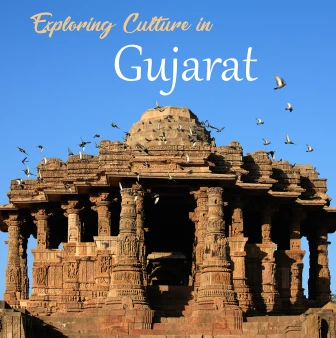
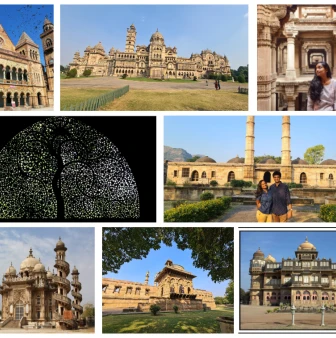
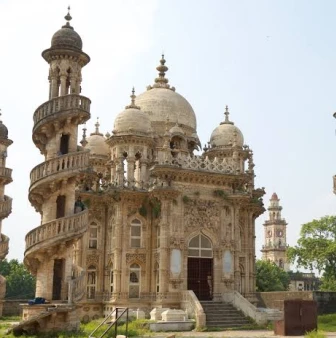
Western India follows a climate-driven festival calendar. Most major events take place during winter and early spring. Desert terrain and weather conditions influence travel windows. This shapes fairs festivals tour packages in India for the region.
Festivals here often extend over longer periods. Travel remains slower and more controlled. Visitors usually stay within fixed zones. Nearby visits are planned only when time allows.
Important festivals in Western India include:
Travel planning in this region focuses on fixed stays and controlled access. Movement across towns is kept limited during peak festival days.
Eastern India experiences festivals through rivers, seasonal cycles, and shared public spaces. Movement patterns change depending on ritual timing, not distance. Cities expand toward ghats, open grounds, and temporary structures. This rhythm keeps fairs festivals holiday packages in India active across multiple months.
Festivals here often revolve around time-specific rituals rather than continuous activity. Mornings remain quieter. Evenings draw dense gatherings. Travel flow adjusts around these shifts, which is why festival tours in India in this region remain locally focused.
Key festivals shaping travel behaviour in Eastern India include:
Festival travel in North-East India follows community calendars rather than tourism schedules. Celebrations emerge from agricultural cycles, clan traditions, and oral histories. Events here do not run on fixed timetables. Performances unfold naturally through the day. Visitors adapt to local rhythms rather than following structured plans. This is why fairs festivals holiday packages in India in the region focus on access and timing instead of coverage.
Major tribal and indigenous festivals influencing travel include:
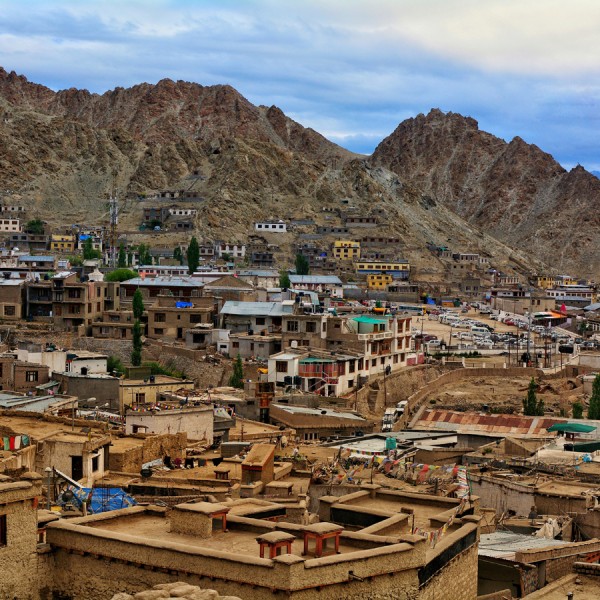
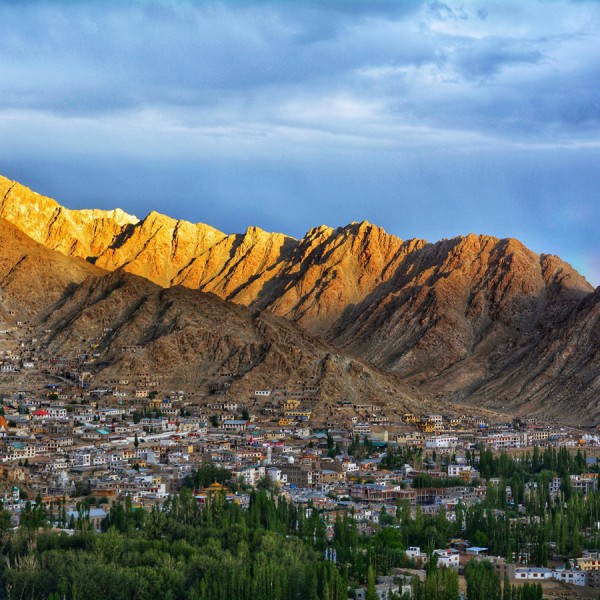
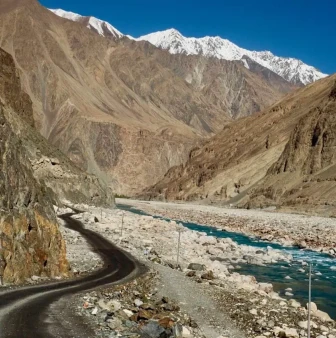
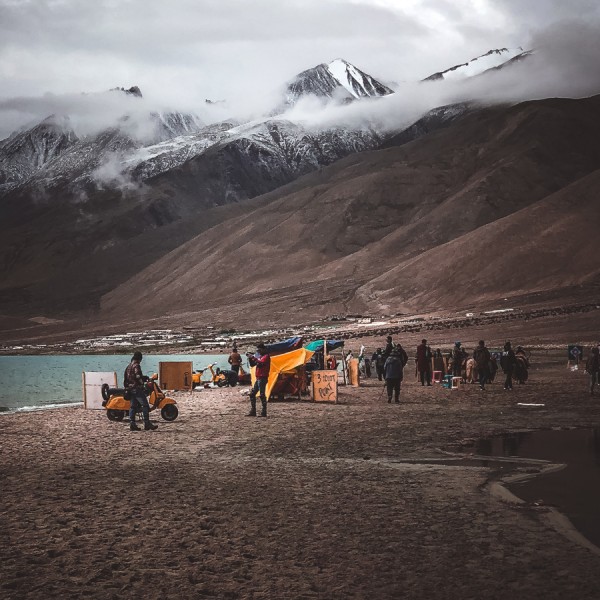
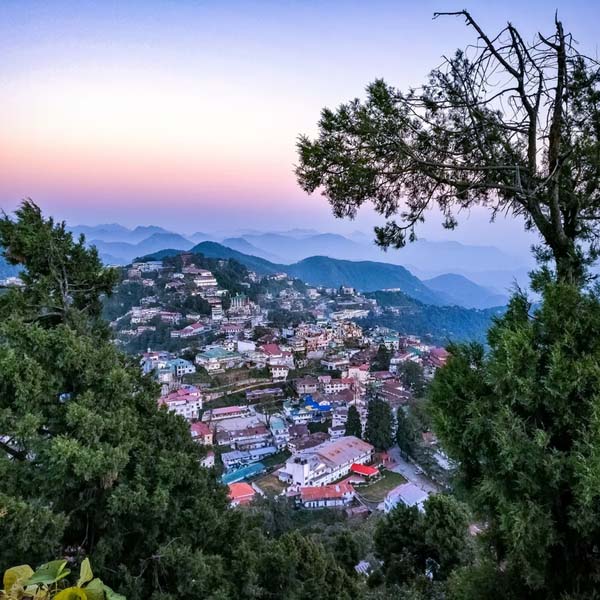
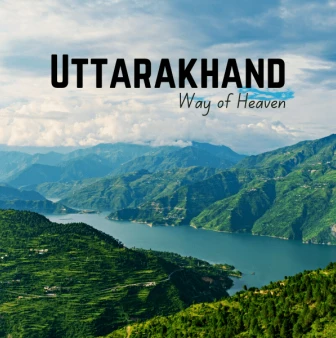
Himalayan festivals operate within strict environmental and spiritual boundaries. Altitude, terrain, and weather dictate access more than crowd size. Celebrations often revolve around monasteries, seasonal transitions, and spiritual calendars. This makes festival tours in India in the Himalayas highly time-sensitive.
Travel windows remain narrow. Roads may open briefly. Movement slows naturally once festivals begin. Planning focuses on staying close to monastic centres rather than travelling across valleys.
Key Himalayan festivals shaping travel include:
Coastal and island festivals follow seasonal sea patterns and colonial legacies. Movement aligns with tides, port access, and community gatherings rather than temples alone. This keeps fairs festivals tour packages in India active along the coastlines for extended periods.
Festivals here combine music, food, and public processions. Activity spreads across beaches, town centres, and waterfronts. Travel remains contained within coastal zones.
Major coastal and island festivals include:
South India experiences festivals as extended community movements rather than short events. Celebrations often unfold across towns, temple complexes, waterways, and cultural centres. Timing follows agricultural cycles, regional calendars, and temple rituals. Because of this structure, fairs festivals holiday packages in India covering South India remain seasonally predictable but geographically concentrated.
Festival days here do not compress activities into limited hours. Morning rituals, afternoon pauses, and evening performances shape daily movement. Visitors usually remain within a single district or town for the duration of the celebrations. This keeps travel slower and more settled compared to regions with short, high-intensity festivals.
Major festivals influencing festival travel in South India include:
Travel planning during these periods prioritises staying within festival zones. Movement between cities reduces once celebrations begin. My Tour Plans align stays with ritual locations so daily transfers remain limited.
Festival travel in India does not follow a single pattern. Experience styles differ based on intent, familiarity, and level of participation. These variations shape how festival tours in India are planned across regions.
Some travellers observe festivals without active involvement. Others remain deeply engaged for several days. Repeat visitors often focus on specific rituals or cultural elements rather than the entire event cycle.
Cultural Observers: Cultural observers attend festivals to understand traditions rather than participate fully. Movement stays limited to specific time windows. These travellers usually focus on evening rituals, performances, or community gatherings. Festival travel in India for this group remains structured around access and visibility.
Photography-Focused Travellers: Photography-focused travellers plan movement around light, processions, and crowd flow. Early mornings and late evenings become essential. Travel remains slow, with long stays in one place. Many fair and festival tour packages in India are shaped around known photography windows.
Festival timing varies across regions due to climate, terrain, and cultural calendars. Planning around months instead of dates remains more effective for long-term travel preparation. The festival calendar 2026 India below reflects region-wise travel patterns.
Festival | Region | Month | Travel Note |
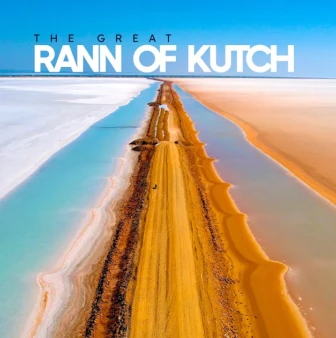
Kutch Rann Utsav | Western India | Jan–Feb | Fixed desert zones with controlled access |
Goa Carnival | Coastal India | Feb | City-wide movement with parade concentration |
Hemis Festival | Himalayan Region | Jun–Jul | Short access window due to altitude |
Onam | South India | Aug–Sept | Community-based celebrations across Kerala |
Pushkar Fair | North India | Nov | High crowd density within a limited town area |
Hornbill Festival | North-East India | Dec | Settlement-based cultural zones |
Seasonal planning focuses on arrival timing rather than daily sightseeing. Festival season travel in India depends more on regional readiness than on distance covered.
Festival-based travel requires alignment with regional rhythms rather than fixed itineraries. Planning begins with date locking, followed by location prioritisation. Routes remain secondary to timing. This approach keeps fair, festival, and holiday packages in India practical across diverse regions.
Movement is planned around local patterns instead of national routes. Stay duration adjusts based on festival length. Transfers remain limited during peak celebration days. My Tour Plans applies this structure consistently across festival travel in India.
Accommodation selection focuses on proximity to ritual zones. Travel days are reduced once festivals begin. Planning remains flexible within fixed festival windows. Allowing travellers to remain within active zones rather than move frequently.
*T&C Apply
₹75,000
*T&C Apply
₹60,000
*T&C Apply
₹38,000
*T&C Apply
₹32,000
*T&C Apply
*T&C Apply
*T&C Apply
*T&C Apply
*T&C Apply
*T&C Apply
*T&C Apply
*T&C Apply
*T&C Apply
*T&C Apply
*T&C Apply
*T&C Apply
*T&C Apply
*T&C Apply
*T&C Apply
*T&C Apply
*T&C Apply
*T&C Apply
*T&C Apply