When visitors check the Vietnam trip cost for Indians, travellers will compare cities about transport, local pricing, and organised attractions. Then, building a Vietnam itinerary would include suggesting the best things to do in Vietnam with the least disturbance from ambiguous fee changes or changing landscape conditions.
In Vietnam, destinations are organised around activity zones, food streets, and walking areas, which offer travellers the option to choose areas based on daily convenience factors. Families will often select a location where markets and basic attractions are located closely together, and Vietnam holiday packages typically highlight these places. Couples will often decide on riverfronts or lantern areas, or choose ocean beach spots that are less crowded but offer activity in the evening.
Those researching the best time to take a Vietnam tour outline regional weather comparisons, as coastal, urban, and highland points enjoy different weather patterns from one another. Those looking at the Vietnam trip cost for Indians are typically examining price points for food, short transfers, and standard entry tickets, to which pricing is typically stable across a popular locality.
Cities in Vietnam have structured roadways that serve as organised walking routes.
Coastal towns have located neighbourhoods near easy access to the shoreline.
Cultural streets have defined walking lanes with shops placed in anticipation of customers.
Market zones have grouped stalls by related types to make quick work of navigating the market.
People visiting Vietnam believe Vietnam is easy to get around, as travel hubs are conveniently located near city centres. People calculating the cost of a Vietnam trip often like the reliability of local transportation.
Airports are typically a short taxi or rideshare drive to prime areas.
Rail stations quickly and easily connect to central stations.
Intercity bus services run on consistent schedules.
Rideshare apps make travel within cities easier.
Heritage lanes have paved concrete walking paths most of the time.
Pricing in Vietnam is consistent throughout most travel areas, which allows travellers to easily put together plans with definitive daily costs. Travellers comparing the cost of a trip to Vietnam will notice, as they gather information, that food, transportation, and accommodations in the mid-range have consistent ranges. So, as a traveller puts together a trip to Vietnam, they can use this stable pricing to add or change lodging and transportation, and not have to change plans significantly.
Tourists looking to determine the best time of year for a trip to Vietnam find that the core services available in Vietnam tourist cities have a variety of opportunities seasonally, and can take multiple regions as part of their seamless experience. This allows for travelling in multiple regions, while not changing anything about getting from city to city, and seasonal number changes do not typically change the aspects of basic services in these popular tourism areas.
Vietnam’s weather changes by region, so travellers check each area separately instead of looking for one standard pattern. People researching the best time for a Vietnam tour usually compare how each zone works across the year. The north stays cooler from December to February. The central region receives its main monsoon from September to December. The south stays warm and mostly dry from December to April. Travellers using a Vietnam travel guide plan their routes around these fixed periods.
Travellers planning a Vietnam itinerary match their activities with the regional weather. Coastal areas work better in dry months when sea access is steady, while highland zones stay comfortable during milder periods suited for daytime movement.
The variations between regions in Vietnam include differences in terrain, layout of urban centres, and the daily activity focus. Travellers typically refer to up-to-date Vietnam travel information to learn more about how these regions differ from each other. The north offers concentrated areas of both historical significance and vista routes into the mountain areas, the central region has a combination of coastal spacing with structured streets that showcase heritage, and the south uniquely offers river systems along with larger commercial districts.
A Vietnam travel guide provides some level of delineation because each of these regions offers its own list of movement patterns, services, and local destinations. The establishment of regional tourism enhances the continuity of trip planning, so travellers will have less concern about what the transition between destination regions involves.
North Vietnam is one of those fantastic regions that somehow manages to pack in loads of city life, rich culture, and gorgeous mountain scenery - all within reach of each other. Usually, travellers end up adding this part to their Vietnam plans because it offers the best of both worlds: the energy of urban areas and the freedom of open landscapes in one go.
Central Vietnam is a top choice for those who want to have it all right on their doorstep - the coast, some amazing historical sites & beautifully laid out walking streets. Often, travellers rely on current Vietnam travel advice to piece together their itinerary & get the most out of this beautiful region.
South Vietnam is a place that has it all, I reckon - bustling city districts, beautiful river systems, & island getaways. Loads of Vietnam travel guides sing the praises of this region for making the perfect multi-stop trip.
Region | Travel Character | Ideal For | Typical Pace |
North | Culture with Natural Scenery | Heritage and Nature Travellers | Steady and Exploratory |
Central | Beaches with Historic Towns | Balanced Routes | Smooth and Flexible |
South | Urban areas with River Landscapes | Active Travellers | Fast but Organised |
Vietnam’s activity zones follow clear regional patterns shaped by rivers, coastlines, citadel layouts, and highland terrain. Areas often found under things to do in Vietnam connect through waterways, old-town grids, or ridge-line routes, keeping physical structure central to each activity. Many components of a Vietnam tour depend on how these environments guide movement, whether through narrow lanes, river loops, or open coastal tracks.
Vietnam’s most recognised activities combine structured access, physical detail, and varied landscapes. Locations regarded as the best places to visit in Vietnam often include heritage cores, natural corridors, and controlled adventure areas that support steady movement.
Walking Through Hanoi's Old Quarter: Walking through Hanoi's Old Quarter involves crossing narrow streets in which shopfronts, market corners, and older craft buildings closely line the streets. This path is included in most Vietnam itinerary plans because the street system is free-flowing as you walk along it.
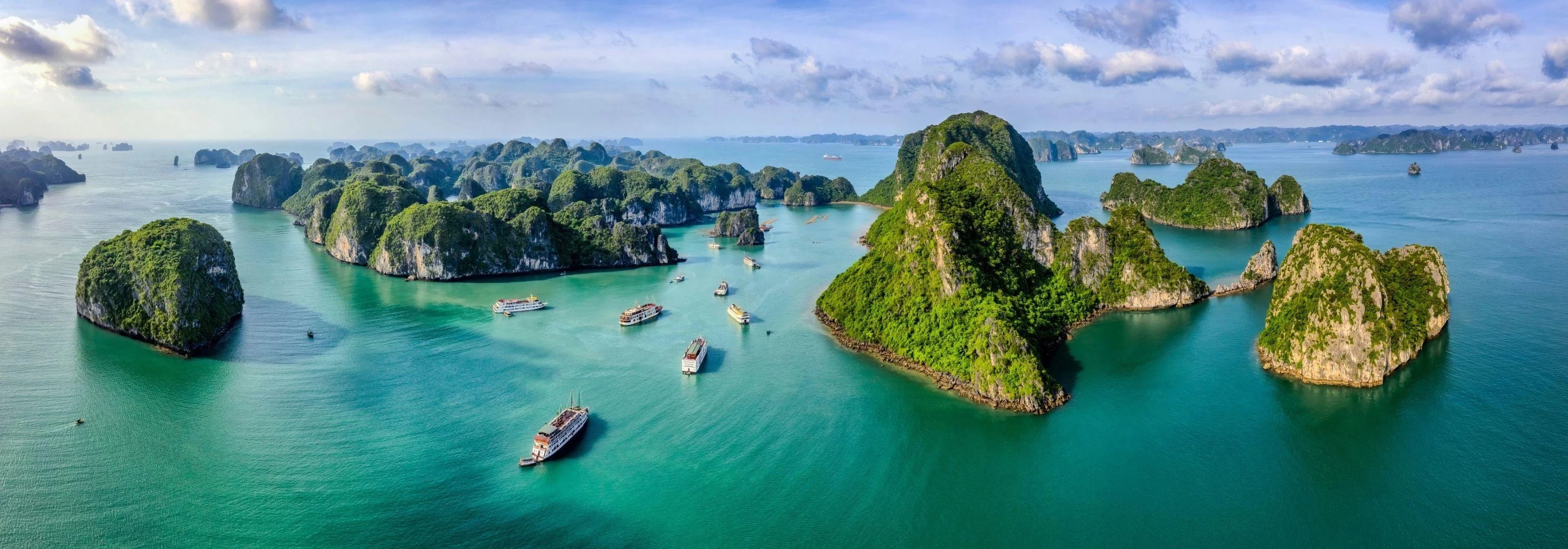
Cruising Through Ha Long Bay: Cruising through Ha Long Bay is simply following established circuits between limestone pillars, entrances to caves, and sheltered bays along the flat water. These landforms keep Ha Long Bay as part of many Vietnam tour plans because they usually have clear paths to navigate.
Exploring the Craft Streets of Hoi An: Exploring the craft streets of Hoi An encompasses tailoring shops, lantern areas, and traditional timber passages grouped around a compact riverside core.
Exploring the Hue Imperial City: Here, you can explore the old gates, courtyards, and walled areas that conform to the original royal layout. It is one of the great historical experiences to enjoy in Vietnam.
Riding the Hai Van Pass: The route takes you up a mountain road, one side overlooking the sea, the other green hills. The curves and changing elevation offer a truly dramatic driving experience and are definitely one of the most popular adventure drives in Vietnam.
Exploring the Cu Chi Tunnels: Here you will walk through demo tunnels, air vents, and underground rooms that illustrate how the system was configured during the war. One of the most unique things to experience in all of Vietnam.
Strolling in Central Ho Chi Minh City: You will walk through some chaotic intersections, colonial architecture, and pedestrian-friendly environments. This continues to be a common way to experience daily life in Vietnam.
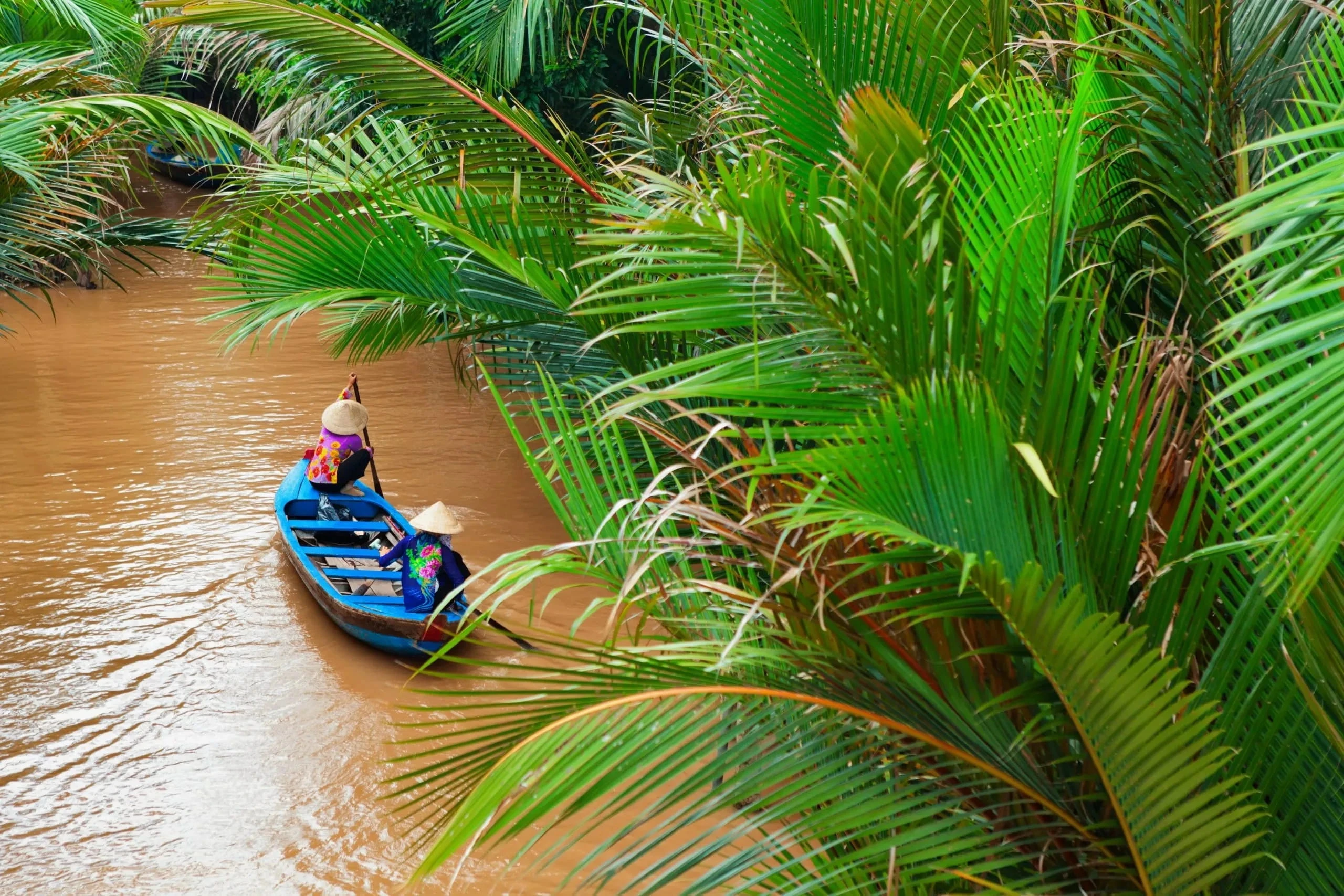
Following a Mekong Delta Boat Route: The voyage in a boat in the Mekong Delta takes you along shaded canals, which have orchards on both sides, as well as little floating trading posts, and stilted houses. These tranquil waterways are generally a feature of travel plans for excursions to the Mekong Delta, especially for travellers who are interested in seeing river life from a closer distance.
Hike Sapa's Terraced Valleys: The Sapa Trekking adventure takes you along ridge paths and rice terraces in the mountainous landscape. The views, cool weather, and walkable paths make it a favourite choice for travellers visiting Vietnam travel locations in the northern highlands.
Row through Ninh Binh's Limestone Corridors: A boat ride in Ninh Binh takes you through quiet rivers, caves, and high limestone cliffs. These waterways create one of the most photogenic places in Vietnam tourism, especially for visitors looking for quiet nature routes.
Walk Da Nang's Coastal Strip: Da Nang has long, open beaches and walkable seaside paths parallel to the water. The flat, smooth beaches make it an easy addition for anyone looking for a beach stop for their Vietnam beach itinerary or those who simply want a break at the beach.
Follow Phu Quoc's Coastal Trails: The coast passes through small bays, fishing communities, and bushy palms at the shore's edge. These coastline paths are a great addition to the island experience and highlight the island, as one of the top islands in Vietnam, especially for those looking for easy scenic walks.
Exploring the Lakes and Gardens of Da Lat: Walking near Da Lat's waterfront and gardens offers relaxing walking paths, pine-covered slopes, and cooler temperatures. These attractions are popular travel destinations throughout Vietnam due to their pleasant weather and convenience in most travel itineraries.
Climbing the Marble Mountains: The Marble Mountains feature stone stairways, cave temples, and cliffside pagodas that take you to natural lookouts. Therefore, this is one of the top travel destinations in Vietnam if you want a short, easy climb and beautiful scenery.
Observing Can Tho’s Floating Market Operations: Can Tho’s floating markets give you a good idea of what commerce looked like at the first light of day as the markets travel organised river pathways, with boats selling produce and goods made in shops. This is one of those old experiences that is included in many of the travel adventures of Vietnam, therefore making it a destination for anyone exploring the Mekong Delta.
Vietnam features a structure of city grids, river perimeters, and miles of coastline, and these factors influence how visitors navigate. The variance in layout from location to location can provide its own unique sense of place for each stop on a Vietnam tour, whether it is the tight little grid of the streets, the openness of the waterfront, or the beautiful ridge line, depending on the town.
Couples usually pick places where walking is easy - that means streets lined with eateries, river views, and restaurants that buzz in the evening. This way, they don't have to worry about long trips between places, and they can easily tick off all the places to visit in Vietnam as outlined in their guidebook.
Distinct Characteristics
Location Type | Physical Pattern | Spatial Rhythm | Notable Structure |
Riverside Towns | Linear Banks and Narrow Loops | Steady Flow | Lantern Corridors |
Coastal Areas | Open Sand Belts | Wide Spacing | Continuous Shoreline |
Heritage Towns | Low-rise Blocks | Compact Grids | Traditional Timber Rows |
Island Coasts | Curved Bays | Quiet Edges | Perimeter Tracks |
Families and groups of travellers generally opt for a destination that enables transport simplicity. Locations with wide roadways, a straight path to and from the beach, or organised and clearly marked squares of riverfront space allow groups to remain together when planning a Trip to Vietnam for Indians and planning the group activity.
Key Features
Roads that go along the beach with visible pathways to the beach access
Markets along the main roads
Riversides are divided by easy-to-follow markers
Region | Structural Layout | Activity Zones | Movement Pattern |
Central Coast | Long Beachfront Axis | Sand Sections | Straight Routes |
Northern Plains | Limestone Fields | Rowing Points | Narrow Corridors |
Southern Cities | Large Intersections | Market Rows | Grid Movement |
Delta Regions | Canal Webs | Trading Lanes | Slow Linear Flow |
Solo travellers look for layouts that are easy to follow while travelling with confidence and without help. Compact districts and easily legible location markers, and an obvious street pattern match with easy, direct itinerary access during a Trip to Vietnam for Indians.
Key Pulling Features
Wide sidewalks connecting major streets
Street numbers identified
Clusters of small cafes within simple, walkable areas
Area Type | Physical Traits | Core Focus | Walk Pattern |
Urban Cores | Dense Blocks | Landmarks | Active |
Coastal Towns | Strip Layout | Waterfront | Relaxed |
Heritage Districts | Tight Alleys | Craft Lanes | Steady |
Highlands | Ridge Lines | Valley Trails | Varied |
Vietnam maintains organised entry points, coastal international airports, and inland transit hubs that support steady routing. Many travellers beginning a Vietnam tour connect through major Indian airports due to frequent flights and consistent flight durations. Travel routes listed under things to do in Vietnam often rely on predictable entry and exit sequences arranged around city, delta, and coastline points. Entry rules, permits, and arrival procedures influence how a Vietnam itinerary is structured.
India connects to Vietnam through fixed air routes that link major Indian airports with Vietnam’s three international hubs: Hanoi (Noi Bai), Ho Chi Minh City (Tan Son Nhat), and Da Nang International Airport. These airports sit near well-known locations often listed among the best places to visit in Vietnam, which keeps arrival transfers short.
Direct Flights: Delhi, Mumbai, Kolkata, Ahmedabad, and Bangalore operate direct flights to Hanoi or Ho Chi Minh City through carriers like VietJet and Indigo.
Connecting Flights: Travellers heading toward central or multi-region routes listed under things to do in Vietnam often use connections through Singapore, Kuala Lumpur, or Bangkok.
Flights From Indian Terminals: Indian airports run scheduled departures to Vietnam’s main hubs, making it straightforward to set up a Vietnam itinerary without complex routing.
Flight Durations
Departure City | Approx Duration | Arrival Hub | Route Notes |
Delhi | 4.5–5 hrs | Hanoi or Ho Chi Minh City | Direct or regional connection |
Mumbai | 5–6 hrs | Ho Chi Minh City | Consistent mid-day departures |
Kolkata | 3–3.5 hrs | Hanoi | Shortest India–Vietnam air corridor |
Chennai | 4 hrs | Ho Chi Minh City | Direct or single-stop route |
Bengaluru | 4.5 hrs | Hanoi or Ho Chi Minh City | Balanced timing windows |
Hyderabad | 4.5 hrs | Ho Chi Minh City | Direct and connecting variants |
Vietnam processes entry for Indian passport holders primarily through e-visa applications issued before arrival. Entry rules appear consistently in information guides for things to do in Vietnam because visa approval determines region access and internal flight timing.
Visa Components
E-Visa: The e-visa remains the most common entry document for travellers starting a Vietnam tour, with single-entry validity aligned to a fixed stay period. The document corresponds to pre-approved arrival at designated ports.
Documents Required: Documents typically include a valid passport, a photograph that meets digital entry guidelines, and confirmed accommodation details. These items help maintain smooth progression into areas listed under the best places to visit in Vietnam because immigration checks rely on complete information.
Processing Time: Processing times may vary, but generally fall within predictable windows, allowing applicants to plan according to Vietnam itinerary structures that include specific city entry points.
Checklists help consolidate movement planning, visa readiness, and access points necessary for a structured Vietnam tour.
Checklist
Proper sequencing helps maintain clarity across different segments of a Vietnam itinerary, especially when arranging coordinated transfers with My Tour Plans.
Vietnam’s regions are organised around coastlines, river deltas, and highland corridors that support steady movement. Many travellers consider a Vietnam trip because the country’s structure allows a clear progression between cities without complex adjustments. Areas connected to the best places to visit in Vietnam rely on strong links between airports, internal flights, and short ground transfers. The presence of defined heritage districts, limestone waterways, and long beaches also influences how planners align things to do in Vietnam across different regions.
Vietnam’s overall travel patterns benefit from evenly distributed arrival hubs, which allow routing through the north, central, or south, depending on the season. These networks help balance the pace of a Vietnam itinerary, especially when combining older quarters, natural formations, and modern commercial districts. The country’s predictable city layout and region spacing support package planning without unnecessary overlap.
Vietnam’s destinations vary based on geography, building patterns, and access routes. Many locations listed under the best places to visit in Vietnam present structured paths, river loops, or coastlines that maintain clear navigation. These areas also shape experiences included in things to do in Vietnam because regions function as compact activity zones.
Place | Region Feature | What Defines It |
Hanoi Old Quarter | Historic Grid | Guild-based Lanes |
Ha Long Bay | Karst Seascape | Limestone Channels |
Ninh Binh | River Plain | Cave Routes |
Sapa | Highland Terraces | Step Fields |
Ha Giang | Mountain Arcs | Loop Roads |
Place | Region Feature | What Defines It |
Hoi An | Heritage Town | Timber Rows |
Da Nang | Coastal Hub | Long Beachfront |
Hue | Imperial Zone | Citadel Axis |
Phong Nha | Cave Region | Large Caverns |
Quy Nhon | Quiet Coast | Open Bays |
Place | Region Feature | What Defines It |
Ho Chi Minh City | Commercial Core | Grid Roads |
Mekong Delta | River Web | Canal Villages |
Can Tho | Market Centre | Floating Trade |
Phu Quoc | Island Belt | Perimeter Beaches |
Vung Tau | Shoreline Ridge | Promenades |
Planning your Vietnam tour will depend on a balance of distance, seasonal comfort, and the route type you have in mind. Many tours under the Vietnam tour umbrella are based on the country's north-central-south view for ease of booking. Things to do in Vietnam are also naturally aligned with climate windows and natural access patterns. There are organisations of museums, caves, deltas, and highlands, allowing for flexible combinations without excessive trekking.
Highlights
Travel styles vary with the layout of the destination itself, the length of the day, and even the terrain. Package options for touring Vietnam are often based on how both urban and natural areas fall along the long spine of the country.
Long direct routes make it simple to begin a Vietnam tour from major Indian airports.
Flight-inclusive plans maintain fixed arrival timings to support Vietnam itinerary accuracy.
Couple-focused pairings connect calm districts and quieter walking zones.
Family-oriented plans depend on stable roads and clear site access.
Adventure plans rely on elevation, limestone interiors, and scenic road arcs.
Cultural sequences link walled structures, older trade quarters, and ceremonial spaces.
Itinerary length shapes how movement is arranged across the recognised best places to visit in Vietnam. Clear region spacing helps maintain stable timing.
Short trips highlight compact access points.
This duration spans two regions within a Vietnam itinerary.
Longer trips follow the north–central–south pattern.
The ideal time to visit Vietnam is between November and April, when the climate coincides with the highest level of operational dependability generally found at most popular destinations. Those months register the lowest period of disruptions throughout the coastal highway and river transport views, limestone locations, which rely on providing predictable daytime access.
National parks, historical complexes, and urban neighbourhoods are generally open to the public on a regular schedule, which enhances travel planning for routing between cities. This is also an opportunity for recurring interest from other travellers who are searching for predictable access through sites of cultural importance, vast cave systems, or open coastal access.
Seasonal Overview by Region
Region | Weather Rhythm | Best Time | Seasonal Advantage |
North | Cool–warm Cycle | Oct–Apr | Mild days and Clear Visibility |
Central | Dry Spells with Light Showers | Feb–Aug | Long Beach-friendly Stretches |
South | Stable Warmth | Nov–Apr | Steady Conditions across the city |
Highlands | Cool Elevation | Sep–Nov | Clear Ridge views and Comfortable air |
Community etiquette practices play a crucial role in facilitating a sense of smooth movement in the city, particularly in association with some of the best places to visit in Vietnam.
Tips
Coordinating the trip to Vietnam becomes easier as all areas connect through reliable transfers and scheduled arrival points. My Tour Plans organizes those components and keeps the itinerary simple without interfering with the natural flow of movement. The team analysed the spacing of routes in relation to the length of days and the switch from region to region, to establish a sense of structure in the itinerary.
My Tour Plans also groups internal transfers with clusters of activities, so each area builds on a simple sequential concept. Simplicity is always favoured over complexity, so we create trips for travellers that want an organised plan, but without stress or an unreasonable trip planning process.
₹4,999