Select the date of travelThe price in calendar represent the starting price per person.
Enquiry Form
Activities
About A First Look at Bali as a Cultural and Tropical Island Destination
Bali is one of the most visited islands in Indonesia. Many travellers choose this Bali island destination for its mix of temples, valleys, lakes, and coastlines. The island sits between the Indian Ocean coastline and volcanic highlands. This balance makes Bali, Indonesia, travel suitable for both culture and nature exploration.
The cultural identity of Bali comes from Balinese Hindu temples and village traditions. Temple courtyards appear in almost every district. Ceremonies remain active across heritage village corridors in Bali. These living traditions shape daily life and make the cultural landscape travel differently from other island regions in Southeast Asia.
The interior of the island shows rice terrace valleys and traditional irrigation terraces. These slopes follow old farming systems that still support local agriculture. At the same time, volcanic terrain in Bali forms mountain belts and crater ridges. This terrain supports lake districts and rainforest valleys across central Bali.
Across Bali, travellers notice several landscape zones during a single island journey:
Volcanic mountain belts appear near Mount Batur and nearby caldera ridges.
Temple courtyard districts remain active across inland cultural valley settlements.
Rainforest valley regions continue through Ubud and the northern slope sectors.
Terrace irrigation slopes remain visible across the Tegallalang rice terrace valleys.
Coastal cliff stretches extend along the western and southern Indian Ocean coastline sectors.
Why Bali Continues to Be a Preferred First International Island Journey from India
Many travellers from India select Bali travel from India because entry procedures remain simple and direct. The island connects well through major Indian departure cities. This short international travel duration helps reduce long transit fatigue. Because of this accessibility, Bali international trip planning often begins with this island.
Food familiarity also supports a comfortable Bali leisure island holiday. Vegetarian meals remain available in most tourist districts. English communication remains common across hotels and sightseeing areas. Cultural familiarity for Indian visitors also improves adjustment during the first international island visit.
Travel Factor
Practical Clarity
Planning Value
Visa Process
Indonesia Visa On Arrival Bali Remains Available For Indian Passport Holders
Reduces Advance Paperwork
Entry Airport
Ngurah Rai International Airport Handles Almost All Arrivals
Simplifies Route Coordination
Food Familiarity
Indian Meals Available In Ubud And Coastal Districts
Supports Dietary Comfort
Language Comfort
English Widely Used Across Tourism Zones
Improves Communication Ease
Travel Duration
Flights From India Usually Remain Within Moderate Travel Hours
Reduces Fatigue Risk
Because of these conditions, the entry into Indonesian tourism for first-time international travellers becomes easier. This clarity supports smoother Bali short international travel duration planning from India.
Landscape Transitions That Shape the Journey Across the Scenic Bliss of Bali
During the Scenic Bliss of Bali itinerary, travellers move across several landscape regions in sequence. The route connects inland valleys, offshore limestone islands, reef lagoons, and coastal districts. This route structure helps maintain steady exposure to Bali's landscape diversity during a single island travel week.
Across the journey, several scenery zones appear in planned order:
Caldera ridge viewpoints remain visible near the Mount Batur caldera region.
Limestone cliff platforms dominate the western coastline of Nusa Penida.
Coral lagoon sectors appear across the Gili snorkelling lagoon waters.
Rice terrace irrigation slopes remain active near the Tegallalang valley corridors.
Lake district ridges appear across the Bedugul mountain alignment zones.
Heritage temple corridors remain active near eastern Bali cultural districts.
Sunset coastal belts remain visible across the Canggu coastal belt, Bali shoreline sectors.
These transitions create a continuous movement pattern between the inland and island sectors. Because nights remain distributed across different stay regions, scenery changes remain visible throughout the trip.
This movement sequence also supports photography timing across lake districts, limestone cliffs, terrace valleys, and reef shorelines. As a result, Bali's scenic travel regions appear in balanced order instead of repeating the same district each day.
Travel Preparation Steps Before Starting Scenic Bliss of Bali from India
Before departure for Scenic Bliss of Bali, travel preparation, including passport validity, remains the first requirement. Indonesian immigration rules require sufficient passport validity upon arrival. Entry approval also depends on the correct arrival documentation during immigration clearance at Bali airport.
Most travellers complete their travel from India to Bali through major metro departure cities. Arrival procedures begin at Ngurah Rai International Airport after landing. Immigration clearance then continues through the Indonesian visa on arrival Bali counter before baggage collection and exit reporting.
Before airport exit, travellers should confirm the following preparation steps:
Passport validity must remain within the accepted Indonesian entry rules.
Arrival form submission must follow airport immigration instructions.
The Visa payment counter processing completes entry approval procedures.
Baggage clearance sequence completes before terminal exit reporting.
Airport transfer reporting begins near the arrival assistance zone.
Travel duration depends on the selected departure city in India. Direct and connecting routes both remain available depending on airline schedules.
Departure City
Entry Routing Pattern
Duration
Delhi
Connecting International Routing Via Southeast Asia Hubs
Medium
Mumbai
Direct Or Connecting Flight Routing Available
Shorter
Bangalore
Strong Airline Connectivity Toward Bali Airport Arrival
Moderate
Chennai
Regional Southeast Asia Routing Available
Moderate
Kolkata
Connecting Corridor Routing Through Regional Hubs
Moderate
Seasonal Timing That Supports Comfortable Travel Across Bali
Season planning plays an important role before confirming the best time for Scenic Bliss of Bali travel dates. Bali's climate travel months follow two seasonal weather patterns across the island. These patterns include a dry season period and a rainfall season period across different months.
Understanding Bali's seasonal travel planning helps match sightseeing visibility with weather conditions across inland valleys, reef zones, and coastal districts.
Month Range
Climate Pattern
Travel Comfort Level
Jan–Feb
Higher Rainfall Timing In The Bali Months
Moderate Travel Movement
Mar–Apr
Mixed Rainfall And Sunshine Windows
Improving Conditions
May–Jun
The Dry Season In Bali, Indonesia, Begins
Strong Travel Comfort
Jul–Aug
Peak Dry Season Visibility Across Island Districts
Very Strong Conditions
Sep–Oct
Stable Sunset Visibility, Bali Season Continues
Strong Conditions
Nov–Dec
Rainfall Gradually Increases Again
Moderate Conditions
During dry season months, terrace visibility months remain clearer across inland slopes. Reef snorkelling clarity in Bali also improves inside the Gili lagoon sectors during stable sea windows.
Season selection also affects several sightseeing zones across the island:
Terrace visibility months remain clearer during dry slope conditions.
Reef clarity windows improve during stable tide and weather periods.
Sunset coastline clarity improves during lower cloud coverage months.
Lake District mist timing appears more often during early morning hours.
Waterfall flow season increases during rainfall-supported forest corridors.
Temple photography months remain stable during dry sky visibility periods.
Cultural Landmarks That Define Everyday Exploration in Bali
Cultural travel across Bali includes several temple corridors and heritage palace districts. During Scenic Bliss of Bali cultural travel, these locations remain part of the inland and eastern sightseeing route alignment. These landmarks support the Bali temple exploration route planning across multiple valley and ridge sectors.
Temple visits include purification spring complexes, palace courtyards, lake temples, and coastal heritage platforms. These structures remain connected with Balinese heritage landscape travel traditions that continue across village settlement corridors.
Across the island route, several cultural landmarks appear during scheduled travel days:
Spring purification temple basins remain active inside the Tirta Empul temple in Bali.
Mountain gate viewpoints appear along Lempuyang ridge alignment corridors.
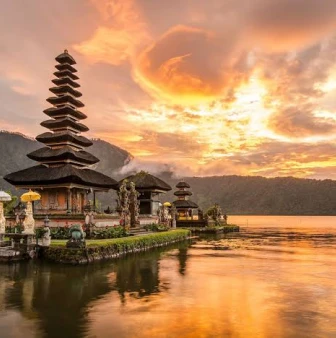
Lake temple shoreline platforms remain visible near Ulun Danu Beratan temple.
Water palace corridors extend through the Taman Ujung heritage complex gardens.
Heritage palace gardens remain visible near the Ubud royal palace courtyard.
Sunset tidal temple ridges appear near Tanah Lot coastal platform corridors.
Ridge alignment temple gateways remain active across eastern heritage districts.
Because these temple corridors remain spread across different regions, cultural exposure continues across several travel days instead of one location only. This sequence supports balanced heritage coverage across inland valleys, lake districts, and eastern palace landscapes.
Marine Island Experiences Included During Scenic Bliss of Bali
Island travel remains an important part of the Scenic Bliss of the Bali island experience. The route connects mainland Bali with offshore limestone islands and coral lagoon zones. These crossings create direct exposure to reef water visibility and coastal cliff viewpoints across western island sectors. During the island movement sequence, travellers visit several marine landscape locations across two different island regions:
Coral lagoon snorkelling zones remain active across the Gili snorkelling lagoon reef sectors.
Limestone ridge photography locations appear across Nusa Penida cliff viewpoints.
Coastal arch formations remain visible near the Broken Beach coastal arch alignment.
Sunset shoreline stretches remain accessible near the Crystal Bay shoreline in Bali.
Island plateau viewpoints remain visible across the west island ridge sector routes.
These marine sectors remain separate from the mainland temple and lake districts. Because of this separation, reef exploration zones appear during a different travel phase of the trip.
Island Sector
Landscape Identity
Visit Role
Nusa Penida
Limestone Cliff Coastline Bali Ridge Platforms
West Island Photography Corridor
Gili Island
Gili Coral Lagoon Waters Reef Belts
Snorkelling Lagoon Movement Sector
Crystal Bay
Sheltered Shoreline Visibility Zone
Sunset Coastal Observation Window
West Island Ridge Sector
Elevated Plateau Alignment Corridors
Cliff Viewpoint Access Movement
These marine crossings remain coordinated through fast boat harbour connections between mainland Bali and offshore island sectors.
Inland Valleys, Lake Highlands, and Coastal Sunsets Across Bali
During Scenic Bliss of Bali sightseeing, inland highland districts remain connected with coastal sunset temple corridors. This sequence creates travel coverage across lake regions, waterfall basins, ridge viewpoints, and shoreline temple platforms inside the same island route structure.
The Bedugul lake district in Bali forms an important northern mountain corridor during the trip. This district connects ridge viewpoints with forest waterfall trails and shoreline temple platforms across the central highland belt.
Region Type
Example Location
Landscape Character
Lake District
Bedugul Lake District, Bali
Mountain Shoreline Temple Platforms
Waterfall Basin
Banyumala Waterfall Trail
Forest Descent Basin Corridor
Ridge Viewpoint
Wanagiri Twin Lakes Viewpoint
Elevated Lake Observation Ridge
Coastal Temple
Tanah Lot Sunset Temple
Tidal Sunset Platform Alignment
Heritage Valley
Inland Cultural Valley Districts
Temple And Irrigation Corridor Zones
Along this movement route, several observation zones remain included across the inland and coastal sightseeing sectors:
Lake shoreline temples remain visible across the Beratan shoreline ridge corridors.
Forest waterfall basins remain accessible along the Banyumala waterfall trail stair descent.
Ridge swing viewpoints remain positioned along the Wanagiri twin lakes viewpoint alignment.
Tidal sunset platforms remain active near the Tanah Lot sunset temple coastline.
Coastal café districts remain present near Canggu shoreline sunset corridors.
These landscape zones remain distributed across separate travel days instead of one single district visit.
Travel Suitability Across Different Holiday Styles in the Scenic Bliss of Bali
The Scenic Bliss of Bali travel suitability structure supports multiple holiday pacing preferences across inland, island, and coastal stay regions. Because the route includes cultural valleys, reef lagoons, and sunset temple corridors, the trip matches several travel planning categories within one island movement sequence.
Different travel styles match different sections of the Bali multi-stay island holiday route:
The couple's travel pacing rhythm remains balanced across the Ubud valley and Canggu coastal stay sectors.
Honeymoon privacy sequencing remains supported during the Gili lagoon shoreline overnight stay alignment.
Family sightseeing balance remains stable across the Lake District and temple corridor movement days.
Friends' movement flexibility remains practical across island crossings and coastal café districts.
First international readiness clarity remains supported across the Bali first international trip package route structure.
Suitability also depends on the number of overnight regions included in the trip structure:
Travel Type
Suitability Logic
Planning Advantage
Couples
Inland And Coastal Stay Balance Supports Relaxed Pacing
Valley And Sunset District Variation
Honeymooners
Lagoon Island Stay Supports Shoreline Privacy Windows
Reef Visibility Movement Segment
Families
Temple Corridors And Lake Districts Support Structured Sightseeing Rhythm
Stable Travel Sequencing
Friends Groups
Island Crossings Support Flexible Movement Scheduling
Varied Landscape Exposure
First-Time Visitors
Bali Leisure Sightseeing Trip Structure Covers Major Island Zones
Multi-Region Exposure Coverage
Because the route remains continuous instead of circular, travel flow remains easier to follow during the full island movement sequence.
Stay Distribution That Balances Inland, Island, and Coastal Nights
The Scenic Bliss of Bali stay structure follows a forward island movement sequence instead of repeated returns to the same district. Nights remain distributed across inland valley sectors, offshore island corridors, and western coastline accommodation districts. This Bali multi-region overnight plan begins with inland cultural settlement exposure before island lagoon crossings and coastal sunset corridor movement.
Stay Location
Nights
Travel Role
Ubud
1
Ubud Cultural Valley stay corridor
Nusa Penida
1
Nusa Penida island stays west cliff alignment
Gili Island
1
Gili Marine Lagoon Stay Reef Sector
Canggu
3
Canggu coastal base stay sunset shoreline corridor
The overnight sequence follows a structured travel progression:
Inland acclimatisation begins across the Ubud cultural valley stay corridors.
The island transition midpoint begins during the Nusa Penida island stay alignment.
The reef lagoon exposure window continues during the Gili marine lagoon stay sectors.
Coastal sightseeing base continues across the Canggu coastal base stay movement.
Departure proximity alignment remains connected with the Ngurah Rai airport transfer corridor.
Transfer Coordination Across Island and Mainland Travel Segments
Scenic Bliss of Bali transfer coordination follows island geography instead of repeated highway loops across the same districts. Movement continues forward from inland valleys toward island harbours and coastal accommodation sectors.
Bali inter-island movement planning connects mainland sightseeing vehicle routes with fast boat harbour transfers across offshore island corridors. Transfer movement follows several route corridors across the trip sequence:
Movement Segment
Transport Type
Route Role
Airport Corridor
Private Vehicle Sightseeing Bali Transfer
Arrival at Inland Valley Alignment
Volcano Sector
Mainland Vehicle Corridor Movement
Caldera Ridge Travel Loop
Harbour Corridor
Coastal District Transfers Bali Route
Island Boarding Connection
Island Crossing
Fast Boat Harbour Transfers Bali Sector
Mainland To Island Transition
Coastal Corridor
Mainland Return Vehicle Corridor
Sunset Shoreline District Movement
Departure Corridor
Airport Reporting Transfer Corridor
Return alignment toward the terminal
Vehicle coordination remains separate across mainland and island transport sectors because island routes require local vehicle support. Transfer coordination also includes several timing-based movement conditions across different route sectors:
Arrival reporting coordination begins near the Ngurah Rai airport assistance zone.
Harbour boarding timing follows the scheduled fast boat departure alignment.
Island vehicle allocation begins after island jetty arrival confirmation.
Coastal return sequencing reconnects with mainland shoreline districts.
Departure transfer alignment follows airline reporting time coordination.
A Clear Travel Overview Before Confirming the Scenic Bliss of Bali
Before confirming Scenic Bliss of Bali travel overview planning, it helps to review the island route structure across all stay regions. The trip connects inland cultural valleys, limestone island ridges, reef lagoon waters, and western coastline sunset districts within one Bali seven-day island travel plan.
This Bali multi-destination holiday structure follows a forward movement sequence instead of repeated returns across the same districts.
Travel coverage across the full island route includes several landscape sectors:
Temple corridor visits remain included across inland and eastern heritage districts.
Cliff ridge viewpoints remain visible across Nusa Penida's limestone plateau sectors.
Reef snorkelling zones remain active across the Gili lagoon shoreline visibility belts.
Lake district exploration remains connected through the Bedugul ridge alignment corridors.
Waterfall forest access remains available across the Banyumala waterfall trail descent route.
Sunset coastal platforms remain positioned across Tanah Lot tidal shoreline sectors.
Coverage across these sectors forms the core Bali sightseeing coverage summary for the island route structure:
Travel Element
Coverage Type
Planning Value
Cultural Visits
Temple And Palace Corridor Districts
Heritage Exposure Continuity
Island Crossings
Offshore Limestone And Lagoon Sectors
Marine Landscape Variation
Coastal Districts
Sunset Shoreline Movement Corridors
Western Coastline Visibility
Lake Highlands
Northern Ridge Alignment Sectors
Mountain District Coverage
This route connects the inland, island, and coastal districts in sequence. So that Bali travel planning clarity improves before confirming this Indonesian island holiday structure through My Tour Plans.
Daily Vehicle and Transfer Support Logic
Transport coordination follows island geography instead of repeating the same highway sectors across multiple days.
Airport transfer proceeds directly toward the Ubud inland corridor instead of beginning inside the southern beach belt.
Volcano highland travel operates as a loop route before harbour transfer toward the island crossing sector.
Nusa Penida sightseeing uses a local island vehicle arranged according to the harbour arrival timing.
Fast boat transfer connects Nusa Penida directly with the Gili Island marine corridor.
Mainland return movement reconnects with the western Bali shoreline through harbour entry alignment.
The Bedugul lake district operates as a northern ridge movement from the Canggu coastal base.
The East Bali heritage corridor connects through Mount Agung alignment before the southern peninsula sunset movement.
Final departure transfer proceeds through the Ngurah Rai bypass corridor toward the airport reporting terminal timing.
Activity Coordination Notes
Some sightseeing locations follow safety timing conditions instead of fixed visiting hours.
Angel’s Billabong visit depends on sea-level safety clearance issued locally.
Fast boat transfers follow harbour weather clearance timing windows.
Snorkelling visibility inside the Gili Island reef sectors depends on tide conditions.
Lempuyang Gate photography queue timing depends on the alignment.
Kecak dance amphitheatre seating follows the sunset performance schedule timing.
Banyumala waterfall stair access depends on rainfall conditions along the forest descent route.
Read
More
Package Itinerary
Arrival in Bali and Transfer to the Cultural Heart of Ubud
Day 1
Arrival assistance begins at Ngurah Rai International Airport after immigration procedures.
Airport representative escorts guests toward the private transfer vehicle.
Transfer continues toward the inland rainforest valley region of Ubud.
Scenic route passes through southern Bali village corridors and temple-lined roads.
The hotel check-in process is completed based on international arrival timing.
The visit begins in the Sacred Monkey Forest Sanctuary walking corridor.
The Central Ubud Palace courtyard visit introduces classical Balinese royal architecture.
The Saraswati Temple lotus pond platform visit takes place inside the heritage centre district.
Ubud Art Market exploration allows access to handmade textiles and wooden crafts.
Campuhan Ridge sunset walking trail offers elevated valley landscape views.
Evening remains free inside the Ubud dining street corridor.
Overnight stay takes place in Ubud.
Volcano Highlands, Rice Terrace Landscapes, and Transfer to Nusa Penida Island
Day 2
Breakfast service begins at the hotel restaurant before departure.
Transfer proceeds toward the Kintamani mountain observation corridor.
Mount Batur volcanic caldera viewpoint stop offers panoramic crater lake scenery.
Coffee plantation visit introduces local roasting methods and tasting session stops.
The Tirta Empul Temple visit explores the traditional purification spring complex.
The Tegallalang Rice Terrace walking route continues through the irrigation valley viewpoints.
The Bali swing experience operates within the licensed terrace activity zone.
Lunch halt remains available near the northern Ubud hillside restaurant corridor.
Afternoon transfer continues toward the Sanur harbour terminal area.
Fast boat boarding proceeds toward the Nusa Penida island jetty.
Arrival procedures are complete at the West Coast Harbour reception zone.
Transfer continues toward the island accommodation sector.
Sunset visit possible at the Crystal Bay coastal shoreline stretch.
Evening island relaxation time begins after check-in completion.
Overnight stay takes place in Nusa Penida.
West Nusa Penida Cliff Route Exploration and Transfer Toward Gili Island
Day 3
Morning breakfast begins inside the island resort dining area.
Transfer proceeds toward the western limestone plateau route corridor.
Fuel usage and parking charges across route sectors.
Exclusions
International flight tickets to the arrival airport.
Indonesia visa-on-arrival fee payment at the immigration counter.
Travel insurance policy coverage during the international travel period.
Lunch expenses across sightseeing travel days.
Dinner expenses across overnight stay locations.
Personal shopping purchases during market visits.
Premium swing upgrade category access beyond the standard swing entry level.
Camera handling charges inside selected temple premises, where applicable.
Porter handling service inside hotel arrival areas.
Early hotel check-in before the property allocation timing window.
Late checkout after the property departure timing window.
Personal snorkelling upgrade equipment beyond the standard inclusion set.
Confirmation Policy
An advance deposit is required to confirm bookings, which are confirmed upon receipt and acknowledgement by the company.
Balance payments are subject to be completed within the specified timeline to avoid cancellation.
Changes or alterations after booking are subject to availability and additional charges.
Relevant documents must be submitted before service confirmation.
Full payment is required for last-minute bookings, subject to availability.
In case of unavailability, similar alternatives or refunds will be offered.
A detailed travel voucher will be provided after confirmation.
A full refund or alternative will be arranged if the company cancels the package.
Refund Policy
Refunds on Cancellation: Refunds for cancellations are processed based on the company's cancellation policy. Refund amounts wholely depend on how early the cancellation is processed before the trip departure.
Non-Refundable Services: Some services like flight tickets, permits, and non-refundable hotel bookings are not eligible for refunds regardless of the cancellation chronology.
Procedure Time: Refunds will be processed within 7-9 business days after the request is approved, also subject to banking and payment gateway timelines.
Partially Refundable: If a booking has multiple services, and some services are used while others are canceled, refunds will be applicable to the unused services, if eligible.
Force Majeure: No refund will be processed in case of unexpected circumstances, such as natural disasters, political unrest, or pandemics. The company will make efforts to provide alternatives but cannot guarantee monetary refunds.
Last-Minute Cancellations: Cancellations made within 24-48 hours of departure are subject to higher deductions or may be non-refundable, depending on the service provider's terms.
Changes to Itinerary: If an itinerary is altered due to unforeseen circumstances, refunds for missed services may not be applicable. Alternative arrangements will be made wherever possible.
No-Show Policy: Refunds are not provided for no-shows or failure to join a tour or activity as scheduled.
Maner of Refund: Refunds will be made via the original payment method or as specified during the refund request. In some cases, credit notes for future bookings may be offered.
Request Process: Refund requests must be submitted in writing with supporting documents. Requests made after the travel dates may not be entertained.
Service Fees: Administrative fees or service charges are non-refundable and will be deducted from the total refund amount.
Third-Party Services: Refunds for third-party services like airlines, cruises, or outsourced activities are subject to the terms of the respective providers.
Disputes: Any disputes regarding refunds will be resolved as per the company’s terms and conditions and governing law.
A wonderful experience from start to finish! The team was attentive, accommodating, and extremely knowledgeable. Every detail of the trip was perfect. Thank you Mytourplans for such a wonderful trip.
What a fantastic adventure! The travel company provided impeccable service, and we loved the personal touches they added to our journey. Our family had a blast, and we can’t wait for our next trip!
Thrilling experience! The whole plan from day one is so beautifully designed that none of us feel tired and missed out. Thanks to the team for arranging our trip and assisting us throughout the trip
I literally fell in love with this place just because of My Tour Plans. I planned my Andaman trip for the Christmas eve and from flights, tours to accommodations all were incredibly arranged by them. I got to explore everything and enough time to enjoy that place. Thank you My Tour Plans for this trip.
Highly Recommended travel agency for any trip. They have very polite staff and drivers. Ms. Bandana designed a very well-designed itinerary. She took care of everything we needed and was available on call whenever we needed her. We had an enjoyable vacation.