

About Best for Couples
For romantic travel, the setting matters more than the list of attractions. Couples often spend more time inside the stay, around nearby walking areas, or in quiet cafés rather than moving across the destination. Locations that support this kind of movement tend to feel easier. There is less waiting, fewer fixed timings, and more control over how the day unfolds.
Many romantic places for couples in India work well because they remove unnecessary decisions. When meals, short walks, and rest happen close to each other, the trip feels lighter. Couples do not have to plan every hour, and the day does not feel broken into parts. This allows conversations, shared routines, and rest to take priority.
Choosing a destination is based first on deciding the amount of movement that feels comfortable. There are couples that like to stay in one place for the whole trip, and there are others that do not mind short travelling, but they do not want to pack and unpack again and again. While figuring out the top romantic getaways for couples in India, this decision dominates the whole thing.
Travel time becomes important once the trip length is clear. For a short break, long journeys reduce usable time at the destination. Couples often avoid places that require multiple connections or long road transfers when travelling for two or three days. For longer holidays, this concern reduces, but internal travel still matters.
Another consideration is daily effort. Destinations that require early starts, fixed entry timings, or long queues can feel tiring. Couples who prioritise comfort usually avoid places where most activities depend on schedules. Instead, they prefer destinations where time moves at a steady pace and plans can change without consequence.
Seasonal crowd behaviour also influences comfort. Some destinations feel calm only during specific months. Others maintain a steady flow year-round. Understanding this helps couples avoid periods when shared spaces become crowded and quiet hours disappear.
Romantic destinations allow couples to stay together without frequent interruptions. Privacy does not always mean isolation. It often means having enough space to move without constant contact with other travellers. Many romantic holiday destinations in India offer this balance by separating accommodation areas from activity zones.
Evenings play a large role in how a place feels. Destinations where streets quiet down after sunset allow couples to spend time without background noise. This matters more than daytime activity levels. Places that remain loud late into the night can interrupt rest and reduce comfort.
Consistency also affects the experience. Predictable weather, reliable transport, and easy access to meals reduce daily stress. Couples tend to enjoy trips more when they are not adjusting plans every few hours. This is why destinations with stable conditions often work better for a romantic vacation for couples.
Couples often choose destinations based on popularity, but comfort usually depends on destination type. Each destination type shapes the day differently. Movement, noise levels, privacy, and planning effort change depending on whether the trip is to hills, beaches, countryside, heritage towns, or islands. Understanding this difference early helps avoid mismatched expectations later.
Some couples prefer slow mornings and quiet evenings. Others are comfortable with short outings and light activity. This preference should guide destination type selection before specific places are shortlisted. When the destination type aligns with daily comfort, the trip feels easier without additional planning effort.
Key behavioural differences couples usually notice include:
Destination Type | Daily Movement Pattern | Privacy Level | Planning Effort |
Hill destinations | Short outings, early evenings | Medium to High | Medium |
Beach destinations | Morning and evening movement | Medium | Low |
Countryside/nature | Stay-centric, minimal movement | High | Low |
Heritage towns | Time-window based walking | Medium | Medium |
Islands | Fixed routines, limited movement | High | High |
Most couples start planning by discussing comfort rather than destinations. One person may want minimal movement. The other may want short outings without long travel. Aligning this early prevents frustration later and helps narrow couple of trip destinations in India that suit both preferences.
Flexibility is usually built into the plan. Instead of fixing multiple activities, couples often decide on one or two key experiences and leave the rest of the time open. This allows them to rest when needed and step out when they feel like it.
Common planning choices seen among couples include:
These choices shape how the trip unfolds and influence which destinations feel comfortable for shared travel time.
Hill destinations affect couples before plans are even made. Travel takes effort, roads slow movement, and weather decides how long you stay outside. Because of this, days usually shrink on their own. Couples step out once, return early, and spend more time inside the stay. This pattern suits trips where rest and quiet matter more than activity, especially when planning the best romantic getaways for couples in India.
Another detail couples notice quickly is how the location within the destination changes the experience. Stays near traffic or markets carry sound late into the evening. Stays placed slightly higher or away from the centre remain quieter. Couples looking for quiet romantic destinations for couples usually prioritise this separation over proximity to attractions.
Famous Hill Destinations for Couples
Season affects road comfort and visibility more than temperature.
Hill Destination | Nearest Airport or Railway | Typical Road Travel |
Manali | Chandigarh Airport | 8–10 hours |
Shimla | Kalka Railway Station | 2–3 hours |
Mussoorie | Dehradun Airport | 2 hours |
Nainital | Kathgodam Railway Station | 1–1.5 hours |
Darjeeling | New Jalpaiguri Station | 3–4 hours |
Ooty | Coimbatore Airport | 3–4 hours |
Munnar | Kochi Airport | 4–5 hours |
Coorg | Mysuru Railway Station | 3–4 hours |
Gulmarg | Srinagar Airport | 2 hours |
Auli | Rishikesh Railway Station | 9–10 hours |
Beach destinations shape days around time rather than distance. Couples usually step out early, slow down during midday heat, and move again after sunset. This natural cycle reduces planning effort. Many romantic places for couples in India work well because couples repeat the same few activities instead of covering new areas daily.
Privacy at beaches depends heavily on access points. Public beaches stay busy, while stretches near controlled or limited entry calm down earlier. Couples planning romantic holiday destinations in India often notice this difference on the first evening itself.
Famous Beach Destinations for Couples
Sea condition influences comfort more than temperature.
Beach Destination | Nearest Airport |
Goa | Goa International Airport |
Gokarna | Goa or Hubballi Airport |
Varkala | Trivandrum Airport |
Kovalam | Trivandrum Airport |
Alibaug | Mumbai Airport |
Tarkarli | Goa Airport |
Marari Beach | Kochi Airport |
Pondicherry | Chennai Airport |
Diu | Diu Airport |
Mandarmani | Kolkata Airport |
Island travel changes how couples experience time and space. Access itself limits daily movement. Boats, flights, and permits fix arrival and departure windows. Once those are set, most decisions disappear. Couples usually spend days around the same beaches, cafés, or walking paths. This is why island travel is often shortlisted while planning the best romantic getaways for couples in India.
Privacy on islands depends on infrastructure, not popularity. Islands with fewer jetties and limited transport routes stay quieter even during peak months. Where accommodation clusters near entry points, movement increases. Couples looking for peaceful holiday destinations often pay attention to where the jetty, market area, and accommodations are located before booking.
Island travel also requires commitment to staying put. Changing locations mid-trip is difficult. Because of this, couples usually plan longer stays in one place instead of hopping. This suits trips where shared routines matter more than covering places.
Famous Island Destinations for Couples
Island destinations differ in effort and comfort. Couples usually narrow options based on how long they can stay and how much movement they want to avoid.
Island | Entry Hub | Transfer Mode | Typical Stay Length | On-Island Movement |
Havelock Island | Port Blair | Ferry | 3–4 nights | Short drives |
Neil Island | Port Blair | Ferry | 2–3 nights | Walking |
Long Island | Port Blair | Ferry | 3 nights | Walking |
Bangaram Island | Kochi | Flight | 3 nights | None |
Minicoy Island | Kochi | Flight | 4–5 nights | Minimal |
Sea conditions decide island comfort more than temperature.
Island travel starts from a mainland hub. From there, couples rely on fixed transport modes.
Island Group | Mainland Hub | Final Transfer | Schedule Dependence | Luggage Restrictions |
Andaman Islands | Port Blair | Ferry | High | Moderate |
Lakshadweep | Kochi | Flight | Very High | Strict |
Lakshadweep | Kochi | Ship | Medium | Flexible |
Little Andaman | Port Blair | Ferry | High | Moderate |
Neil Island | Port Blair | Ferry | High | Moderate |
The access details above affect how flexible a couple’s daily plan can be. High schedule dependence usually means fixed departure windows and limited same-day changes. This becomes noticeable when weather shifts or ferry timings change. Luggage restrictions also influence packing decisions, especially for longer stays. Couples who account for these limits early tend to avoid last-minute adjustments during the trip.
Nature and countryside travel reduces stimulation instead of distance. Sound levels drop, schedules loosen, and days feel less divided. Couples usually remain within the property or nearby trails. Many romantic places for couples in India fall into this category because movement is optional, not expected.
These destinations suit couples who prefer silence over activity. Planning focuses on accommodation quality rather than location density. Poor stays affect the entire trip because alternatives are limited.
Countryside travel also changes evenings. Markets close early. Outdoor movement has reduced. Most time, shifts indoors. Couples who value uninterrupted time often choose this style of travel.
Famous Nature and Countryside Destinations for Couples
These destinations differ in access and connectivity. Couples often choose based on how isolated they want to be.
Destination Type | Daily Movement Range | Evening Noise Level | Network Availability | Backup Options |
Forest regions | Very limited | Very low | Patchy | Few |
Coffee estates | Limited | Low | Moderate | Few |
River-side stays | Minimal | Very low | Limited | Very few |
Valley regions | Low | Low | Moderate | Few |
Remote countryside | Minimal | Silent | Weak | None |
Couples often misjudge countryside travel by assuming silence automatically means comfort. Limited network access and fewer backup options can affect daily plans if the stay does not meet expectations. Evening quiet also reduces alternatives outside the property. This makes accommodation choice more critical than location, as switching places mid-trip is usually difficult.
Heritage travel works around time windows rather than distance. Early mornings and late evenings remain calm. Midday hours attract group movement. Couples usually revisit the same zones instead of covering entire cities. This suits romantic holiday destinations in India, where pace matters more than coverage.
Heritage destinations also involve walking. Heat and crowd timing affect comfort more than distance. Couples often plan days around quieter hours rather than fixed itineraries.
Famous Heritage Destinations for Couples
Destination Type | Quiet Hours | Peak Crowd Window | Walking Load | Ideal Stay |
Palace towns | Early morning | Midday | Moderate | 2–3 days |
Temple towns | Early morning | Afternoon | Low | 2 days |
Ruin sites | Morning | Late morning | High | 1–2 days |
Coastal heritage | Early morning | Midday | Low | 2 days |
Desert towns | Morning | Afternoon | Moderate | 2 days |
Using time windows helps couples experience heritage areas without crowd pressure. Early hours usually allow slower movement and uninterrupted walking. Midday periods increase group presence and noise. Planning fewer sites within quieter hours often feels more comfortable than covering more locations across the day.
Trip duration controls how much travel effort a couple can absorb without fatigue. Short trips magnify travel time, while longer trips allow recovery between movements. When the destination distance exceeds the stay length, comfort drops quickly. This makes duration one of the earliest planning decisions for couples.
Trip Length | Comfortable Options | High-Fatigue Options | Reason |
2–3 days | Nearby hills, countryside | Islands | Travel overhead |
4–6 days | Heritage towns, islands | Multi-city plans | Packing fatigue |
7+ days | Islands, countryside | Fast circuits | Pace mismatch |
10+ days | Remote countryside | City hopping | Mental load |
Long stays | Single-region trips | Constant movement | Burnout |
Stress increases when movement competes with rest time. Packing, transfers, and check-ins consume more energy than expected on short trips. Longer stays reduce this pressure only when movement is limited. Matching trip length with destination spread helps maintain a steady pace.
Seasonal changes also affect service availability and transport reliability. Ferry schedules, road conditions, and local staffing vary by month. Crowd behaviour shifts with holidays and weather windows. These factors influence comfort even when accommodation quality remains consistent.
Season affects transport, crowd density, and comfort.
Couples who plan dates without checking seasonal behaviour often face reduced access or limited activity windows. Comfort depends on how the season aligns with the destination type rather than temperature alone. Understanding these constraints early helps avoid schedule compression during the trip.
Couples usually do not struggle with finding destinations. They struggle with fitting destinations into the time, energy, and comfort they actually have. My Tour Plans focuses on planning trips around real travel behaviour instead of building attraction-heavy itineraries.
Planning is shaped around how couples prefer to move, rest, and spend time together. Destination suggestions are filtered after understanding these preferences, which helps reduce fatigue and schedule pressure during the trip.
Key reasons couples prefer this planning approach include:
Start planning your romantic getaway with My Tour Plans for trips that prioritise ease, time together, and realistic pacing.

₹18,500
*T&C Apply
 SightseeingHotelCabMeal
₹25,500
*T&C Apply
SightseeingHotelCabMeal
₹24,000
*T&C Apply
SightseeingHotelCabMeal
₹68,000
*T&C Apply
HotelCabFerry TicketMeal
₹35,000
*T&C Apply
SightseeingHotelCabMeal
₹40,000
*T&C Apply
SightseeingHotelCabMeal
₹30,000
*T&C Apply
SightseeingHotelFerry TicketMeal
₹31,500
*T&C Apply
SightseeingHotelFerry TicketMeal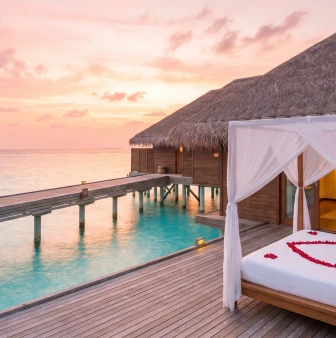
₹38,000
*T&C Apply
SightseeingHotelFerry TicketMeal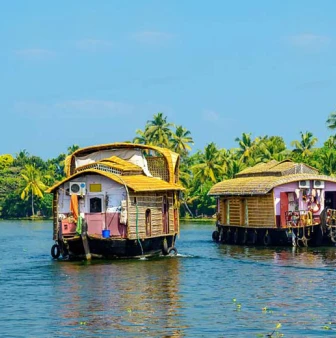
₹19,500
*T&C Apply
SightseeingHotelCabMeal
₹22,000
*T&C Apply
SightseeingHotelCabMeal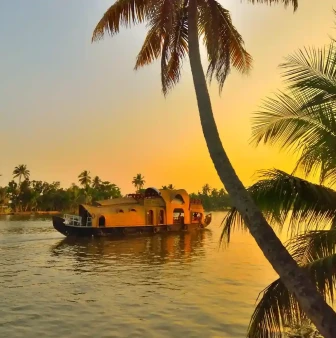
₹25,500
*T&C Apply
SightseeingHotelCabMeal

